6 Best Modular Shelving For Growing Craft Libraries
Organize your supplies with these 6 best modular shelving options for growing craft libraries. Discover the perfect storage solution for your space and shop now.
A growing stash is the inevitable mark of a dedicated knitter, yet managing the transition from a single basket to a full-blown fiber library requires more than just extra space. Effective storage must balance accessibility for daily knitting with the protection necessary to keep natural fibers safe from moths, dust, and crushing. The right modular system transforms a chaotic pile of yarn into an organized, inspiring workspace that reflects the texture and color of the collection. Selecting a system requires balancing aesthetic preference, floor space, and the long-term needs of the fiber itself.
IKEA KALLAX: The Undisputed Stash-Buster


The KALLAX series remains the gold standard for many knitters due to its square, uniform dimensions that perfectly accommodate standard storage bins. These units offer deep, sturdy compartments that allow for categorized stash management—perhaps separating luxury lace-weight mohair from workhorse superwash wools.
The structural stability of the thick outer frame provides peace of mind when holding heavy skeins of hand-dyed merino or massive quantities of cotton. Because the cubes are deep, yarn can be stored in the back while notions or patterns remain easily reachable in the front.
It is a mistake to assume every cube must be filled to the brim. Maintaining some breathing room for natural fibers is essential to prevent felting from pressure or restricted airflow. If the goal is a highly visible, color-coordinated library, KALLAX serves as an excellent, cost-effective framework.
The Container Store Elfa: Ultimate Customization

Elfa is the premier choice for knitters dealing with non-standard room dimensions or those who demand a highly tailored studio setup. The wall-mounted track system allows for adjustable shelving heights, which is critical when storing diverse items like large sweater quantity bags, bulky needle cases, and oversized project binders.
The ability to mix solid shelves with ventilated wire shelves is a significant advantage for yarn storage. Solid surfaces prevent smaller notions from slipping through, while ventilated shelves promote the airflow needed to keep natural fibers from becoming musty.
While the upfront cost is higher, the system is modular enough to grow alongside the stash. Start with a basic vertical configuration and add drawers or additional shelves as the collection expands from a few skeins to a serious library.
ClosetMaid Cubeicals: Best Budget-Friendly Pick
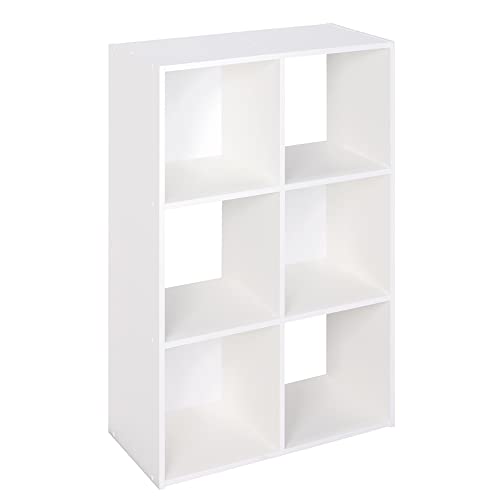
ClosetMaid Cubeicals offer a lightweight alternative to heavier particle board systems, making them ideal for smaller studio spaces or temporary craft areas. The thinner profile of the panels means more interior storage volume relative to the total footprint of the furniture.
These units are particularly effective for organizing yarn by weight or fiber type. Because they are cost-effective, they allow for the rapid expansion of storage without a massive financial hit, leaving more of the budget for high-quality wool and luxury accessories.
Be mindful that these units are not as load-bearing as solid wood or reinforced laminate systems. Avoid stacking heavy cones of weaving yarn or excessive weight on the top shelf to prevent bowing or structural failure over time.
IKEA IVAR System: For a Natural Wood Studio Look

The IVAR system provides a timeless, industrial-natural aesthetic that complements the organic nature of fiber arts. Made of solid pine, the shelves can be stained, painted, or left natural to match the vibe of a creative workspace.
The true beauty of IVAR lies in its versatility and adjustable pin-hole system. This allows for precise shelf spacing, enabling the creation of “taller” shelves for bulky wools or “shorter” shelves for slim storage boxes containing knitting needles and crochet hooks.
Because the unit is open and made of wood, it is essential to monitor for pests. Wood is inherently safer for fiber than some plastics, but proper ventilation and regular cleaning are still required to keep the stash pristine.
Metro Wire Shelving: Best for Heavy-Duty Storage
Industrial wire shelving is the unsung hero for knitters with massive, heavy-duty stash requirements. The open-wire design is unmatched for airflow, which is the most critical factor in preventing moth infestations and moisture buildup in natural fiber collections.
These shelves are incredibly strong and can hold significant weight without sagging, making them perfect for large quantities of undyed yarn or boxes of spinning fleece. They are also incredibly easy to reconfigure as needs change, with clip-on sleeves that allow shelves to be moved in seconds.
While they may lack a “cozy” studio aesthetic, they are easy to cover with fabric dust covers or decorative curtains. The functionality far outweighs the visual simplicity, especially for long-term storage of expensive natural fibers.
The Original ScrapBox: The All-In-One Craft Room
The ScrapBox is designed for the knitter who wants a complete, concealable studio that can vanish when not in use. It functions as a folding workstation, complete with built-in storage for needles, notions, and finished projects.
This is the ultimate solution for those who live in multipurpose rooms where clutter is a concern. Having a dedicated, organized desk attached to the storage unit ensures that tools like circular needle gauges, scissors, and point protectors are never lost.
The primary tradeoff is the footprint; when fully opened, the unit requires a significant amount of floor space. Ensure the room can accommodate the full “open” width before purchasing, as maneuvering it once filled with yarn is a difficult task.
How to Measure Your Space and Your Stash First
Before purchasing any shelving, conduct a thorough inventory of the current stash and future projections. A shelf that fits a collection of worsted-weight yarn perfectly may be inefficient if the collection shifts toward large-format cones or bulkier wools.
Measure not only the floor space but the height of the ceiling. Vertical storage is the secret to maximizing small rooms, but ensure heavy items are placed lower to maintain center-of-gravity stability.
Consider the depth of the shelves in relation to the items. Storing yarn more than two skeins deep often leads to the “out of sight, out of mind” phenomenon, where beautiful fibers are buried and forgotten in the back of the shelf.
Key Features to Look for in Craft Shelving
The ideal shelving system must facilitate visibility and access. Stash organization is largely about being able to see what is available to choose the right yarn for a pattern’s specific gauge requirements.
- Adjustability: Shelves that move allow for changing needs as the stash grows or shifts.
- Weight Capacity: Fiber is surprisingly heavy; ensure the shelves will not bow under the weight of wool.
- Accessibility: Open shelves keep yarn visible; closed shelves or drawers keep dust and sun damage at bay.
- Material: Smooth, sealed surfaces are better than rough wood, which can catch delicate fibers and cause snagging.
Avoid over-committing to fixed configurations that cannot be changed. The evolution of a knitter’s taste—from basic acrylics to fine hand-dyed wools—often requires a corresponding evolution in storage.
Open vs. Closed Storage: Pros and Cons for Fiber
Open storage provides immediate visual access, turning a yarn collection into a source of color and inspiration. However, open storage exposes fibers to UV light, which can fade delicate dyes over time, and requires a strict dusting regimen to keep allergens at bay.
Closed storage, such as drawers or cabinets, is superior for protecting natural fibers like cashmere or alpaca from dust and potential pests. The disadvantage is the tendency for “stash amnesia,” where yarn hidden in a drawer remains unused for years.
A hybrid approach is often the most successful strategy. Store everyday “workhorse” yarns in open cubbies for immediate use, while protecting luxury, high-value fibers in closed bins or drawers to preserve their integrity.
The Best Bins and Baskets for Organizing Yarn
Choosing the right container is just as important as the shelf itself. Breathable materials like canvas, cotton, or woven seagrass baskets are ideal for natural fibers because they allow the yarn to breathe and prevent moisture accumulation.
Avoid plastic bins unless they are used for long-term storage of items that need protection from moths. If plastic must be used, choose clear containers to maintain visual access, but ensure they are not airtight, as trapped humidity can damage organic fibers.
Avoid wicker baskets that have rough, unfinished edges. These can easily snag the delicate ply of fine lace yarn or mohair, potentially ruining a skein before it is even cast on.
Building a craft library is an ongoing project that evolves with your knitting habits and fiber preferences. Whether you opt for an industrial open-shelf system or a closed, protective cabinet, the best choice is the one that allows for easy organization and long-term fiber health. Take the time to audit your stash, measure your space accurately, and prioritize airflow to keep your collection ready for that next perfect project.