6 Laboratory Timers For Batch Processing To Improve Accuracy
Boost your lab’s precision with our top 6 laboratory timers for batch processing. Improve your workflow accuracy today by choosing the right tool for your team.
Achieving a consistent, professional-grade depth of color in hand-dyed yarn requires more than just high-quality pigments and premium fibers. The difference between a beautifully balanced semi-solid and a muddy, uneven mess often comes down to the precise management of time during the dye bath. Without a reliable timing system, it is nearly impossible to replicate custom colorways across multiple batches. These six laboratory-style timers offer the precision necessary to master the chemistry of the dye pot.
ThermoWorks ChefAlarm: For Precision Temp & Time
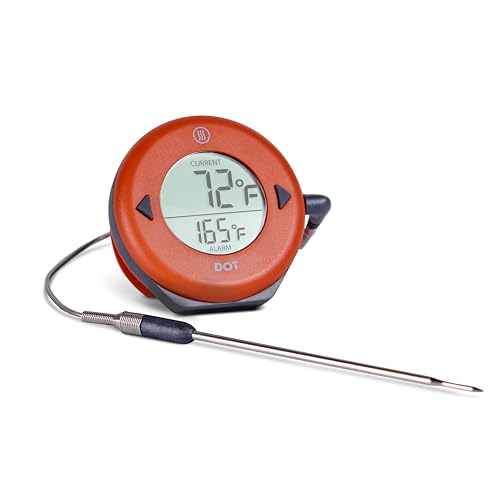

The ChefAlarm is the gold standard for those who treat their dye studio like a laboratory. It monitors both the internal temperature of the dye bath and the elapsed time, ensuring that the critical “exhaustion” phase—where the fiber absorbs the remaining dye—occurs at the exact right moment.
For fiber artists working with delicate protein fibers like silk or mohair, heat management is as vital as timing. The probe allows for real-time monitoring of the simmer, preventing the boil that can lead to felting or fiber damage. It is an investment, but for those dyeing expensive silk-merino blends, the protection it offers is unmatched.
This unit excels at high-level consistency. If the goal is to produce deep, saturated blacks or navies that rely on long, low-temperature simmer times, the ChefAlarm is the primary choice.
CDN Multi-Task Timer: Best for Juggling Pots

When managing a studio workflow involving three or four separate dyepots, the CDN Multi-Task Timer serves as a command center. It allows for the independent tracking of different colorways or fiber types, preventing the common mistake of over-processing a delicate wool while waiting for a sturdy cotton blend to take up dye.
The interface is intuitive, which is crucial when handling wet yarn and potentially messy pigment powders. It keeps the workspace organized, preventing the frantic, high-stress scrambles that lead to uneven colors.
This model is perfect for the production dyer who needs to stagger entries into the pot. It is robust, easy to read, and survives the humid environment of a dye room better than generic kitchen models.
Upgood 4-Channel Timer: Powerhouse for Big Batches
For those working in larger quantities, the Upgood 4-Channel Timer provides the reliability of a high-end lab instrument at a reasonable price point. Its standout feature is the ability to run four simultaneous countdowns, each with a distinct alarm tone to prevent confusion.
This is the preferred tool for batch-processing skeins destined for sweaters where color matching is non-negotiable. If one skein sits in the dye bath for three extra minutes, it will likely appear darker than the others, leading to a mismatched garment.
The device is built to stay stationary on a workstation shelf. Its size makes it less prone to being knocked into a pot of simmering dye, a practical consideration that often goes overlooked.
OXO Good Grips Triple Timer: Easiest to Read
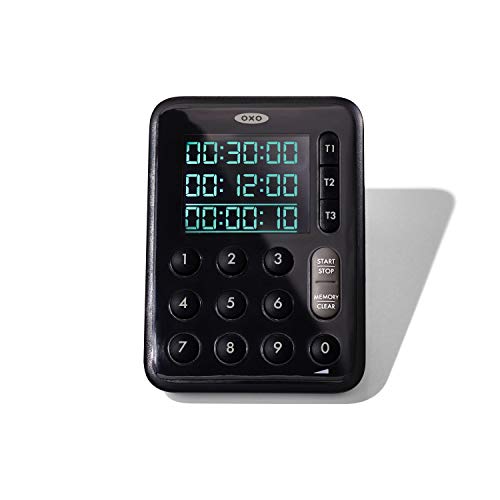
Visibility is a critical factor when working in a steamy or dimly lit studio. The OXO Good Grips Triple Timer features a large, backlit display that can be read from across the room, ensuring that a quick glance is all it takes to monitor progress.
The interface is straightforward and requires minimal interaction to start or stop. This prevents the annoyance of trying to fiddle with complex menus while wearing nitrile gloves covered in dye residue.
While it lacks some of the advanced features of a digital lab unit, its durability is top-tier. It is the best option for those who prefer tactile, reliable controls over flashy, unnecessary settings.
Taylor Precision Quad Timer: A Pro Dyer’s Pick
The Taylor Precision Quad Timer is a staple in many professional dye studios because of its sheer reliability. It tracks four separate events, but it differentiates itself through a highly durable casing that resists the wear and tear of a busy dye shop.
It is particularly useful for complex multi-step processes, such as pre-mordanting fibers before the main dye bath. By assigning different timers to different stages of the process, you create a fail-safe system that prevents steps from being skipped.
Expect a long operational life from this unit. It is a workhorse that understands that the dye studio is not a gentle, pristine environment.
Wren Digital Kitchen Timer: Solid Budget Choice
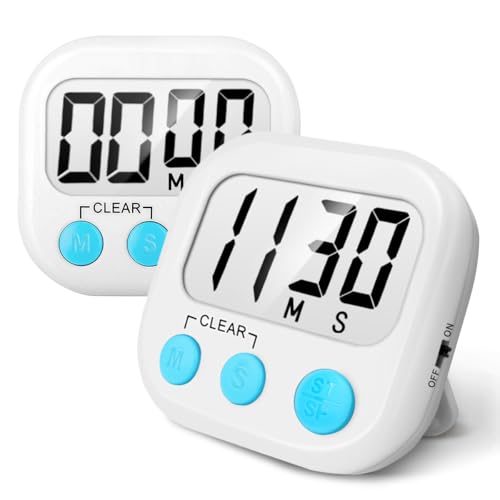
Not every dyer needs a laboratory-grade, multi-channel system, especially if the workflow is simple and focused on single, large batches. The Wren Digital Kitchen Timer provides basic, accurate functionality without a steep learning curve.
It is compact, portable, and ideal for those who dye in small batches in a home kitchen. While it lacks the multi-channel capability of the higher-end options, its simplicity is a strength for beginners just learning how temperature and time affect fiber exhaustion.
A budget-conscious choice does not have to mean a loss in accuracy. This timer is consistent enough to ensure that the fiber reaches the correct saturation point every time.
Why Accurate Timing Matters for Consistent Color
The process of dyeing, especially with acid dyes on wool, is a chemical reaction governed by time and temperature. If the fiber is pulled from the bath too early, the color will not be fast and the yarn may bleed during the first soak. If it is left too long, the delicate protein structures can become brittle.
Accurate timing ensures the exhaustion of the dye bath, where the water turns clear as the fiber absorbs the pigment. Consistency in this final stage is the primary driver of color depth. Without a timer, you are relying on guesswork, which leads to variance between dye lots.
Key Features to Look for in a Dye Studio Timer
- Water Resistance: The studio is a wet environment; look for seals that protect electronics from splashes.
- Distinct Alarms: Ensure each channel has a different tone or volume to avoid confusion.
- Backlit Display: Necessary for clear reading in low-light or steamy conditions.
- Ease of Cleaning: Surfaces should be smooth and resistant to dye stains.
- Programmability: The ability to save presets for your “go-to” dye times saves significant effort.
Single vs. Multi-Channel: Which Timer Is for You?
Single-channel timers are perfect for the hobbyist who focuses on one batch at a time or the dyer who uses a single large vessel for all their production. They are simple, easy to use, and remove the potential for channel confusion.
Multi-channel timers are mandatory for the producer who manages multiple pots. They allow you to stagger processes, such as moving skeins from a pre-soak to a dye bath to a rinse phase without losing track of any single batch. If you are serious about scaling your dye work, a multi-channel setup is not a luxury, but a requirement for organization.
How to Set Up Your Timers for a Smooth Dye Day
Start by writing down your standard dye times for each fiber type, such as Superwash Merino versus non-superwash wool, as they absorb color at different rates. Use these as your baseline presets if your timer supports them.
Always keep your timer in the same spot, away from the direct heat of the stove but within full view. Pair this with a logbook where you note the time spent in each bath for every batch. Over time, this data becomes an invaluable reference for replicating your most popular colorways with professional, consistent results.
Consistency is the hallmark of a skilled dyer, and these tools are the bridge between unpredictable experiments and professional results. Choose the timer that matches the complexity of your workflow, and use it with the same discipline you apply to your knitting gauge. When every variable—from simmer time to water temperature—is accounted for, the quality of the yarn will speak for itself.