6 Best Spray Starches For Hosiery Crispness To Try
Achieve flawless, professional hosiery crispness with our top 6 spray starch recommendations. Read our expert guide now to find the perfect product for your needs.
Achieving the perfect structure in handmade hosiery often comes down to the final finishing steps rather than just the choice of yarn or needle. While natural fibers like wool or cotton hold shape through blocking, the addition of a specialized starch can elevate a project from a soft textile to a professional, crisp garment. Choosing the right product ensures that your intricate lace patterns or delicate stitch work remain defined through hours of wear. This guide explores the best spray starches available to help you secure that clean, intentional silhouette in your knitting.
Faultless Premium Starch: Best for Heavy Duty Use


Faultless Premium Starch is the go-to solution when significant structural support is required for thicker hosiery or decorative display pieces. Its formula is designed to penetrate heavy-weight fibers, creating a rigid finish that stands up to gravity and constant friction.
For knitters working with rustic, non-superwash wools that tend to sag, this starch provides the necessary backbone. It creates a crisp, durable hold that prevents slouching, especially in knee-high or thigh-high designs.
The primary trade-off is the intensity of the stiffness. It is rarely the right choice for delicate silk or fine-gauge lace, as it can make the fabric feel board-like. Always test on a swatch first to ensure the final drape meets expectations for your specific project.
Mary Ellen’s Best Press: Top Pick for Fine Knits
Mary Ellen’s Best Press is widely regarded for its ability to stiffen fabric without leaving a heavy, crusty residue. It is a clear, starch-alternative spray that works exceptionally well on fine-gauge hosiery and intricate lace patterns.
The primary advantage here is the lack of flaking, which is essential for projects with dark-colored yarns. Because it is heat-activated, it ensures that your stitch definition remains crisp once the iron passes over the fabric.
It provides a lighter, more natural-looking hold than traditional heavy starches. If your goal is to maintain the softness of a luxury fiber like cashmere or alpaca while still adding structural integrity, this is the most effective middle ground.
Niagara Non-Aerosol: The Best Eco-Friendly Pick
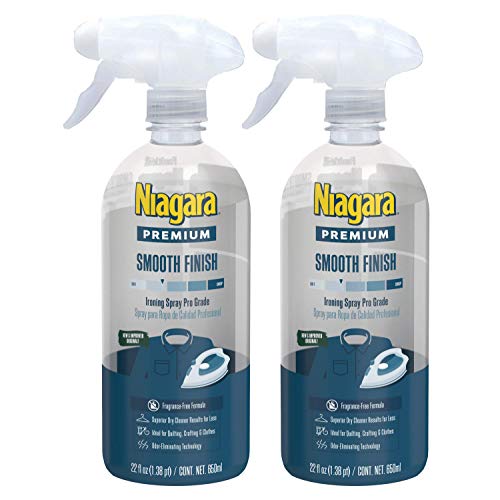
Niagara Non-Aerosol provides a reliable, traditional starch finish without the environmental concerns of traditional propellant-based sprays. It is a workhorse product that delivers consistent results across a variety of fiber types.
This option is ideal for those who prefer to control the level of stiffness by mixing or diluting the product. Because it is a non-aerosol trigger spray, it allows for a more targeted application on specific areas, such as the cuffs or heels of your hosiery.
However, note that liquid-based sprays require a longer drying time before the heat of the iron can lock the starch in. Expect a slightly stiffer, more traditional feel compared to the modern silicone-based alternatives.
The Laundress Stiffening Spray: A Luxury Option

The Laundress Stiffening Spray is formulated for high-end textiles that require both support and fabric care. Its sophisticated scent and gentle formula make it an excellent choice for heirloom-quality knits that need preservation.
Beyond just stiffening, this product aims to maintain the health of the fibers during the pressing process. It is particularly effective on delicate fiber blends that might be damaged by the harsh chemicals found in standard, industrial-grade starches.
While it commands a premium price, the benefit lies in the specialized formula that avoids stripping natural oils from wool. It provides a clean, polished finish that feels luxurious against the skin, making it a worthy investment for your most intricate, time-consuming projects.
Sta-Flo Liquid Starch: Most Budget-Friendly Choice

Sta-Flo is the classic concentrated liquid starch that has been a staple in textile care for generations. For the knitter who produces a high volume of hosiery and needs a cost-effective solution, it remains the gold standard.
Because it is a concentrate, it offers unparalleled versatility. You can dilute it significantly for a sheer, light crispness or use it closer to full strength for structural, sculptural pieces.
The main challenge is that it requires a manual mixing process and a separate spray bottle. Ensure your mixture is thoroughly dissolved to avoid concentrated spots that could potentially discolor your yarn.
Magic Sizing Spray: For Body Without Stiffness
Magic Sizing is the preferred choice when the objective is to restore the “new garment” feel to hosiery without creating rigidity. It provides body and snap to the fabric, helping stitches look uniform and professional.
This product is perfect for knitters who find traditional starches too aggressive. It adds a subtle layer of support that makes the fabric easier to handle and fold, without compromising the comfort or drape of the garment.
Unlike traditional starch, sizing is designed to be lighter and less permanent. It will rinse out easily, making it the safest option for items that require frequent laundering or for knitters who are still experimenting with their desired level of structure.
How to Apply Starch for an Even, Crisp Finish
Consistency is the secret to a professional finish when applying starch to hand-knits. Start by holding the spray nozzle six to eight inches away from the garment to ensure a fine, even mist rather than localized saturation.
Allow the spray to penetrate the fibers for a few moments before moving to the iron. Use a pressing cloth between the hosiery and your iron to prevent the starch from building up on the plate, which can cause snagging or discoloration on subsequent projects.
Always work in light layers. It is far better to apply two thin, even coats of starch than one heavy, soaking application that may result in stiff spots or uneven texture.
Starch vs. Sizing: What’s the Real Difference?
The distinction lies in the intended outcome of the finish. Starch, typically derived from corn or wheat, adds rigidity and a firm, crisp structure that lasts until the next wash.
Sizing, often containing synthetic polymers, adds body and a smooth finish while maintaining a soft, flexible hand. For hosiery that needs to stand up on its own, starch is necessary; for hosiery that just needs to look tidy and defined, sizing is usually sufficient.
Understanding this difference prevents the common mistake of over-stiffening a delicate lace pattern. Always choose based on the physical properties you want your final knit to possess.
Starching Hosiery: Natural vs. Synthetic Fibers
Fiber composition significantly dictates how starch interacts with your knitting. Natural fibers like wool, cotton, and linen are absorbent, meaning they will soak up starch readily and hold its structure quite well.
Synthetic fibers, such as nylon or acrylic, are hydrophobic and will not absorb starch as effectively. If your hosiery contains a high percentage of synthetic yarn, you will notice the starch tends to sit on the surface, which increases the likelihood of flaking.
For synthetic-heavy blends, use a light mist and increase the heat of your iron slightly—within the safe range for the fiber—to help the product adhere to the surface. Always check the fiber content of your yarn before deciding on the starch intensity.
Avoiding Flakes and Residue on Your Hosiery
Flaking is almost always caused by using too much product or failing to distribute the starch evenly through the fibers. When the starch dries in a thick, un-pressed clump, it turns into a white residue that looks like dandruff on your finished work.
To prevent this, use a brush or a clean, soft cloth to distribute the spray immediately after application but before the heat press. If you notice residue, a light steam session with a clean iron often helps to melt and redistribute the product into the fibers.
Regularly cleaning your iron is also non-negotiable. Starch buildup on the soleplate is the leading cause of sticky, yellow marks that can ruin light-colored lace.
By selecting the right starch and applying it with intention, you bridge the gap between a soft, shapeless knit and a professional, crisp garment. Whether you prioritize eco-friendly ingredients, extreme rigidity, or a subtle touch of body, there is a product that will support your specific design goals. Practice on your swatches first, maintain your equipment, and enjoy the polished final look of your handcrafted hosiery.