6 Best Dividers For Category Separation To Organize Stash
Struggling to manage your collection? Discover the 6 best dividers for category separation to organize your stash efficiently. Click here to streamline today.
A well-organized yarn stash is the foundation of a successful creative practice, preventing that sinking feeling when a project calls for a specific weight that has vanished into the depths of a closet. Without proper categorization, fibers can become tangled, crushed, or simply forgotten, leading to wasted potential and frustrated makers. Finding the right divider system transforms a chaotic pile of skeins into a curated library of textures and colors. By implementing these structural tools, the focus shifts back to the joy of knitting rather than the stress of hunting for materials.
The Container Store Dividers: Best for Shelf Stacks


Shelf dividers are essential when storing yarn in open stacks, as they prevent towers of wool from leaning and eventually collapsing. The Container Store offers sturdy, acrylic-style dividers that clamp onto standard wooden shelving, creating rigid partitions that keep your worsted weight yarns from migrating into your fingering weight section.
These are particularly useful for those with deep shelving units where yarn tends to get lost in the back. By creating distinct lanes, you can easily separate fiber content, such as keeping delicate alpaca away from structural cotton blends.
While effective, these dividers require a solid, thick shelf to grip properly. If your stash is stored on wire shelving or thin laminate, these may wobble, undermining the very stability they aim to provide.
Storageworks Drawer Dividers: Best for Bins & Cubes
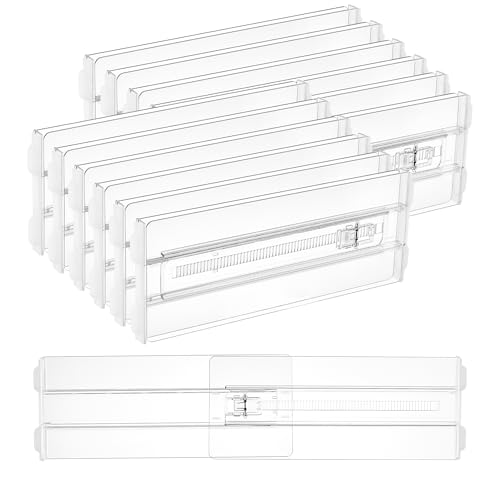
When yarn is stored in fabric bins or deep drawers, it often turns into a jumbled mess where the bottom layer is never touched. Expandable, tension-based dividers allow for the creation of smaller sub-compartments within a large container, ensuring that individual skeins or small notions have a dedicated home.
This approach is perfect for organizing by color gradient or by specific project needs, such as keeping a sock project’s needles, notions, and yarn in one defined pocket. It stops the “digging” motion that leads to accidental snags on delicate hand-dyed yarns.
Consider the tension level of the dividers before purchase. If the springs are too loose, the weight of a heavy wool sweater quantity can push the divider out of place, rendering the organization ineffective.
mDesign Adjustable Dividers: Most Versatile Option
Adjustable plastic dividers offer a “pick-and-place” functionality that adapts as your stash grows or shrinks throughout the seasons. These systems are modular, allowing for configurations that accommodate everything from bulky roving to thin lace-weight silk.
The primary benefit is the ability to change the layout without emptying the entire bin. If you decide to transition your storage from fiber-type sorting to project-specific groupings, these dividers move effortlessly to accommodate new geometry.
However, be mindful of the plastic edges. Sometimes these dividers have sharp molding seams that can catch on loose-plied yarn or mohair fibers. A quick pass with fine-grit sandpaper can smooth these edges and protect your precious inventory from unnecessary abrasion.
IKEA SKUBB Box Set: Best Budget-Friendly System

The SKUBB series is a staple for a reason, offering lightweight, fabric-based compartments that fit perfectly into most standard cubby storage units. These boxes act as their own dividers, segmenting a large stash into manageable, categorical units.
They are ideal for long-term storage of finished garments or larger quantities of yarn that don’t need to be accessed daily. The breathable fabric allows for airflow, which is critical for natural fibers that need to “breathe” to avoid mustiness.
While economical, these boxes are soft-sided and can slouch if not filled completely. To maintain structure, keep these boxes organized by weight, putting heavier wools at the bottom to provide a sturdy foundation for lighter accessories above.
ArtBin Super Satchel Dividers: For Small Notions
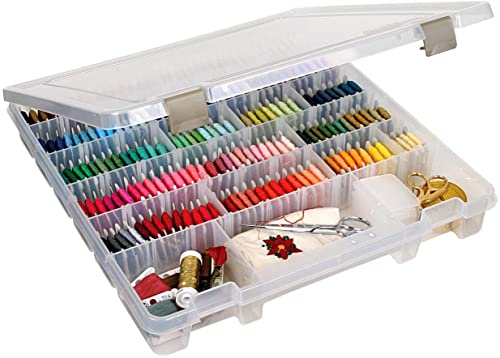
Knitting is rarely just about the yarn; it involves a collection of stitch markers, cable needles, tapestry needles, and gauge rulers. The ArtBin system uses rigid plastic inserts to create tiny, secure cells that prevent your small notions from migrating or getting lost in the gaps of a yarn basket.
This is the gold standard for high-level organization where precision is key. Being able to see all your stitch markers at a glance—rather than fumbling through a drawstring pouch—saves significant time when starting a new project.
These dividers are not meant for yarn storage, but rather for the infrastructure that supports it. Use them to separate metal needles from wooden ones, as the constant clatter and potential for minor scratches can be mitigated by keeping your tools in their own small, rigid compartments.
Comic Book Boards: The Best DIY Stash Divider Hack
Comic book boards are a brilliant, cost-effective solution for organizing stash, particularly for those who prefer to wind their yarn into cakes or flat “cards.” By wrapping yarn around these stiff, archival-quality boards, you create a flat, stackable profile that maximizes every inch of shelf space.
This method also prevents the center-pull tangles that often occur with yarn cakes stored loosely in a bin. It creates a library-like aesthetic where every colorway is visible and easy to pull without disturbing the rest of the stack.
Ensure that the boards are acid-free, especially if you plan to store the yarn for long periods. Acidic materials can degrade delicate natural fibers over time, causing discoloration or structural weakness in the yarn itself.
How to Choose Dividers for Your Type of Stash
Selecting the right divider is entirely dependent on the physical footprint of your collection. If you have a large volume of loose skeins, you need high-walled dividers to prevent the inevitable avalanche of yarn.
If you primarily knit from cones or wind your yarn into cakes, flat vertical dividers will serve you better. Match the divider height to the size of your average yarn unit to ensure that no yarn spills over the top and creates a “bridge” between sections.
Always assess the material of the divider against the fiber. Synthetic, slick plastics are generally safe for most yarns, but avoid rough finishes that could snag hand-spun or highly textured yarns like boucle or mohair.
Acrylic vs. Fabric Dividers: Which Is Better?
Acrylic dividers offer superior visibility, allowing you to see the colorway and texture of your yarn from across the room. They are rigid and maintain their position well, but they can be brittle if overloaded with heavy, dense wool.
Fabric dividers are softer and more forgiving, making them better for storing fragile items like cashmere or angora blends. They offer a gentler surface but lack the crisp, visual separation of a clear acrylic divider.
Choose acrylic for your “active” stash—the yarns you reach for weekly—and utilize fabric bins or dividers for long-term storage of project-ready yarn. This hybrid approach balances visual clarity with the physical protection that delicate fibers require.
Organizing by Fiber, Weight, or Project? A Guide
The most effective organization method is the one that aligns with your natural creative workflow. Organizing by fiber type—grouping all wools, then all plant fibers, then all synthetics—is best for those who choose patterns based on climate or seasonal needs.
Categorizing by weight is the practical choice for stash-busting. When you know exactly where the fingering weight resides, you can quickly pull a potential sock project or a lace shawl without debating which fiber is best suited for the needle size.
If you are a monogamous knitter who focuses on one large-scale project at a time, organizing by project is supreme. Grouping the yarn, the needles, and the pattern together eliminates friction and keeps your focus sharp from the first cast-on to the final weave-in.
Protecting Your Stash: Dividers and Pest Control
Dividers do more than keep things neat; they allow for better airflow throughout your storage area. Stagnant air is the enemy of a wool stash, as it creates the perfect environment for pests that thrive in dark, undisturbed corners.
When installing dividers, try to leave a small gap between the divider and the back of the shelf to encourage circulation. Never pack yarn so tightly that air cannot move around the skeins, as this moisture trap is a magnet for moths and carpet beetles.
Periodically remove the dividers and vacuum the storage space thoroughly. A clean shelf, combined with cedar blocks or lavender sachets tucked into your dividers, provides a layered defense system that keeps your investment safe from unwanted visitors.
By systematically applying these storage strategies, you reclaim your workspace and protect your fiber investment, ensuring that every skein you own remains in peak condition for the moment inspiration strikes. Whether you choose rigid acrylic for quick access or fabric boxes for long-term preservation, the key is consistency in your organization. A well-tended stash is not just a collection of supplies; it is a promise of future projects waiting to be brought to life.