6 Dust-Proof Storage Boxes For Long-Term Preservation
Protect your valuable belongings with these 6 durable dust-proof storage boxes designed for long-term preservation. Shop our top picks and organize your home today.
Preserving a yarn collection requires more than just tucking skeins into a closet. Fiber is highly susceptible to humidity, light exposure, and the ever-present threat of textile pests. Without the right protection, years of investment in high-quality wool, silk, or alpaca can be compromised in a single season. These six storage solutions provide the necessary environment to keep fine fibers pristine for future projects.
IRIS Weathertight Box: Best for Large Stashes
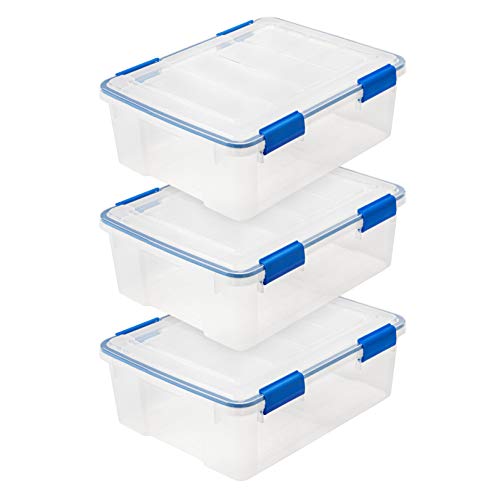

The IRIS Weathertight bin features a silicone-edged seal that creates a near-impenetrable barrier against the outside environment. This is essential for serious stash builders who store collections in basements, attics, or garages where fluctuating humidity levels can compromise delicate animal fibers.
When dealing with large volumes of fiber, capacity is the primary challenge. These boxes offer a modular, stackable design that allows for efficient vertical storage without the risk of crushing bottom layers. By preventing moisture ingress, these bins ensure that wool doesn’t absorb odors or develop the damp, musty scent associated with long-term storage in less secure containers.
Choose these if you are storing significant yardage or completed blankets that need a long-term, static environment. The heavy-duty latches provide peace of mind that the seal will remain intact even when moving full, heavy boxes between rooms.
Sterilite Gasket Box: The Most Accessible Option

The Sterilite Gasket box utilizes a silicone ring and snap-tight latches to bridge the gap between basic plastic bins and high-end archival storage. It is the most common choice for knitters who need protection that is readily available at most household supply stores.
While it lacks the extreme structural rigidity of industrial bins, the gasket seal is effective at keeping out dust, moths, and silverfish. These bins are ideal for organizing seasonal yarns or specific project-related stashes that require frequent access. The clear plastic makes auditing a collection simple without needing to open the lid and expose the contents to room air.
When using these, ensure the latches are fully engaged to compress the seal properly. If the box is overstuffed, the lid may warp slightly, potentially creating a gap that invites pests; keep the contents at or below the rim for a true seal.
The Container Store Archival Box: Heirloom Safety

Archival-quality storage is specifically designed for fibers that demand museum-grade protection from acid and environmental decay. These boxes are constructed from acid-free, lignin-free materials that prevent the yellowing or chemical degradation that can occur over decades.
Using archival boxes is highly recommended for irreplaceable hand-spun yarns or complex lace shawls that serve as family heirlooms. Plastic, even when high-quality, can trap gases and moisture if there is even a trace of lingering humidity inside; paperboard allows for a degree of “breathing” while keeping harmful light and particulates out.
This storage method requires a climate-controlled room. While excellent for preventing chemical damage, these boxes are not airtight and should not be stored in areas prone to dampness or significant pest activity.
Gaylord Archival Box: Professional-Level Armor
Gaylord boxes represent the gold standard for long-term preservation, frequently used by museums for textile conservation. The construction is purposefully rigid, preventing the physical crushing of delicate fibers or structural deformation of knitted garments over many years.
These containers are designed to be chemically inert, meaning they won’t react with the oils naturally present in fibers like mohair or cashmere. If you are storing a hand-knit sweater collection intended for future generations, this is the safest environment possible. The thickness of the material acts as an effective shield against fluctuating temperature, keeping the internal environment more stable than a standard bin.
Investing in these is a serious commitment, suited for the fiber artist who values preservation above all else. They are not intended for the quick rotation of daily project bags but for the permanent safeguarding of your finest work.
Richards Canvas Underbed Bag: For Hidden Storage
Underbed storage bags solve the problem of limited closet space while keeping yarn tucked away from direct light. Canvas versions are particularly useful because they allow for breathability while keeping dust and surface debris from settling into the yarn plies.
The primary tradeoff with soft-sided storage is the lack of a pest-proof seal. To mitigate this, ensure the yarn is completely clean—free of skin oils or food residue—before packing it away. Consider placing individual skeins inside sealed polyethylene bags within the canvas container to provide an extra layer of protection against opportunistic insects.
These bags are perfect for a knitter living in a small home who needs to keep their supply organized without sacrificing a dedicated closet. Always check underneath the bed for dust accumulation to ensure the exterior of the bag remains clean during the changing of seasons.
Household Essentials Cedar Chest: Natural Defense
A classic cedar chest provides a natural, aromatic environment that repels moths and silverfish without the need for synthetic chemicals. The natural oils in the cedar wood act as a mild deterrent, making this a time-honored choice for protecting woolens.
For a chest to remain effective, the wood must be occasionally sanded or refreshed with cedar oil to maintain its potency. It is vital to place a protective layer of acid-free tissue paper between the cedar and your yarn to ensure the wood oils do not leave residue on the fibers. This is especially critical for light-colored or white wools that may pick up discoloration from the wood grain.
Use this method for your most frequently rotated woolens and staple yarns. The combination of the heavy lid and the repellent nature of the wood creates a secure, low-maintenance environment that serves both function and aesthetic in a living space.
Why Not All Plastic Storage Bins Are Safe
Not every plastic bin on the shelf is suitable for long-term fiber storage. Cheap, brittle plastics often “off-gas,” releasing chemicals that can interact with animal fibers over time and potentially cause discoloration or fiber weakening.
Look for recycling codes 1 (PET), 2 (HDPE), or 5 (PP) as these are generally more stable and less likely to break down. Avoid bins that emit a strong, chemical odor when opened, as this indicates a volatile plastic that could permeate your wool. Always ensure the bin is food-safe or archival-grade if you are worried about delicate protein fibers like silk or baby-soft alpaca.
How to Prep Your Knits for Long-Term Storage
Preparation is the most important step in preservation, as even the most expensive box cannot protect a dirty garment. Always launder your knits or yarn according to the fiber requirements before storage, ensuring they are completely dry to prevent mildew.
Small traces of skin oil, perfume, or food can attract moths even years after a garment was last worn. If you are storing hand-spun or hand-dyed yarn, ensure it has been properly set and is free of any soap residue. Folding garments with acid-free tissue paper layered in the folds helps maintain shape and prevents sharp creases that can stress the yarn over time.
Cedar vs. Lavender: Natural Moth Prevention
Choosing between cedar and lavender depends on your sensitivity to scent and the intensity of the protection required. Cedar is a powerful deterrent, but its effectiveness wanes over time as the aromatic oils evaporate from the wood.
Lavender acts as a milder repellant, serving more as a preventative measure for well-sealed environments rather than a heavy-duty defense. For the best results, use small sachets of dried lavender or cedar blocks tucked in the corners of storage bins, but replace them every six months. Never apply essential oils directly to your yarn, as the concentration can damage delicate filaments and leave permanent oil stains.
Common Mistakes That Can Ruin Your Best Yarn
The most common error is storing yarn in a non-climate-controlled space, such as a garage or attic, where heat and humidity can cause fibers to swell, contract, and eventually degrade. Another frequent mistake is storing yarns while they are still slightly damp from blocking, which creates a breeding ground for mold.
Avoid using mothballs, as they leave a persistent, toxic odor that is nearly impossible to remove from animal fibers without harsh cleaning. Finally, do not use cardboard boxes from grocery stores, as they are not acid-free and are essentially invitations for silverfish to feast on the paper glue. Always prioritize clean, dry, and pH-neutral environments to keep your stash ready for the needles at any time.
Protecting a yarn collection is an investment in your future creativity, ensuring that your materials remain as vibrant and strong as the day they were purchased. By choosing the right vessel and preparing your fibers with care, you eliminate the risks that lead to heartbreak and lost work. Keep your stash safe, and your needles will always be ready for the next cast-on.