7 Best Loom Tension Springs For Even Stitches
Achieve perfect, even stitches with our guide to the 7 best loom tension springs. Discover top-rated options to stabilize your weaving and improve consistency.
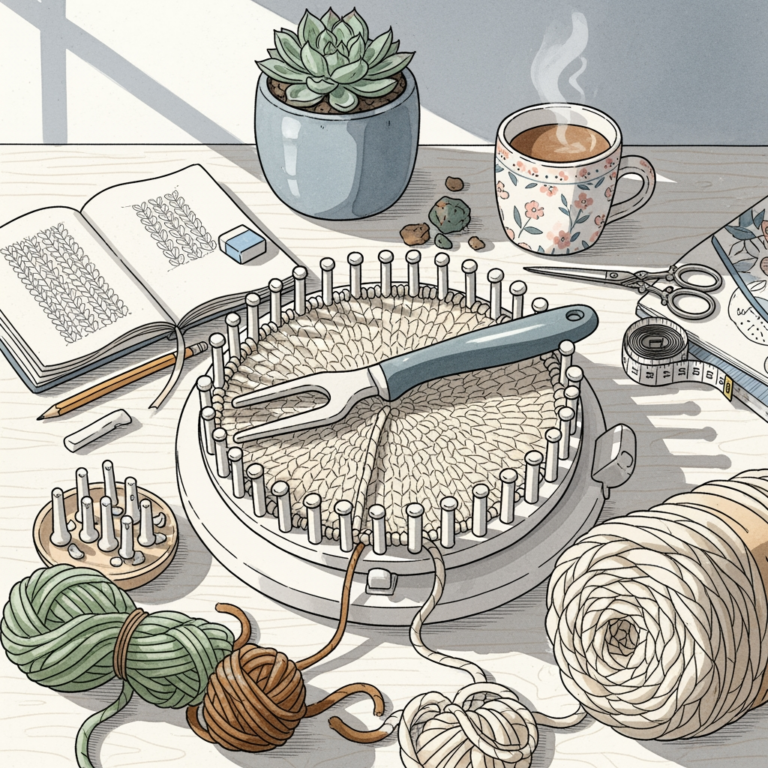
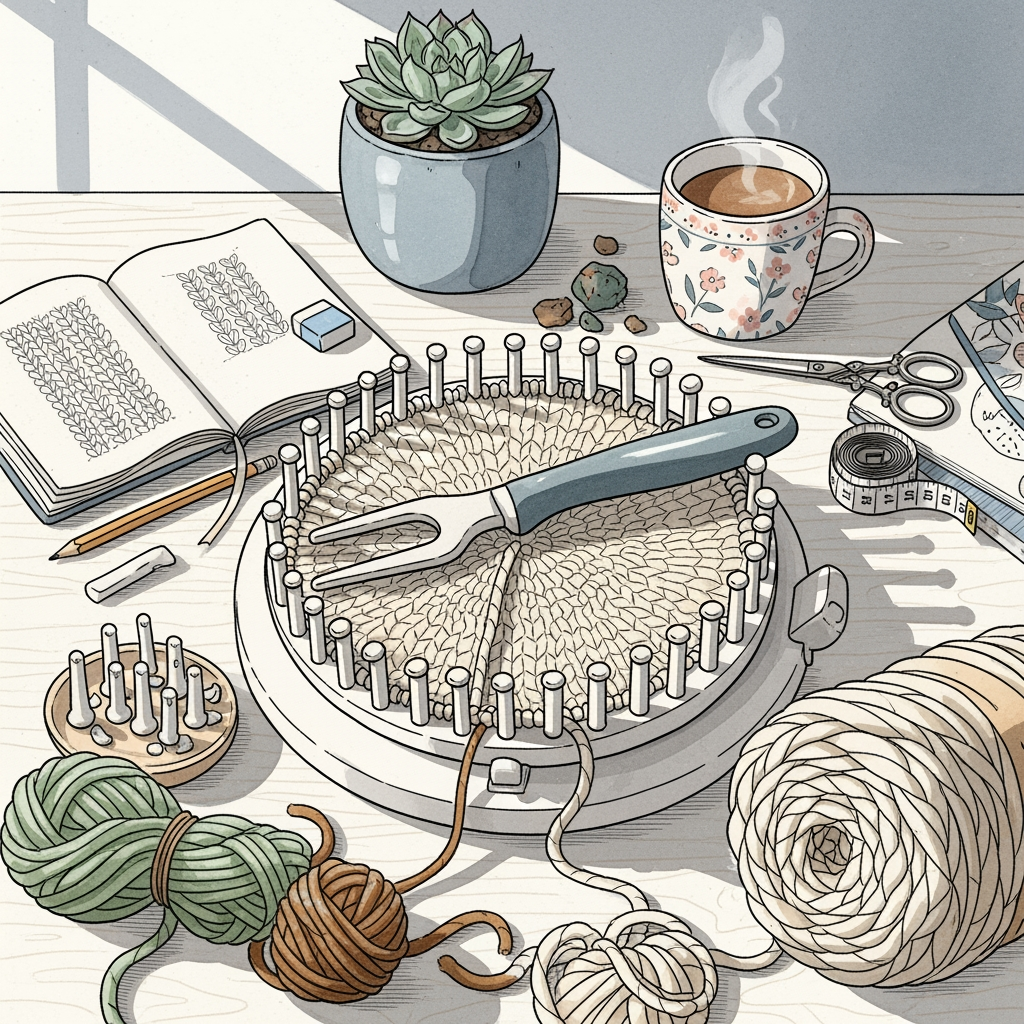
Achieving consistent tension on a circular knitting machine can feel like a game of cat and mouse, especially when working with varied yarn weights. A high-quality tension spring is the silent partner in your craft, ensuring every stitch is uniform and professional. Without proper guidance, your fabric can quickly turn into a lumpy, uneven mess that no amount of blocking can fix. Let’s explore the best tools to help you master your machine and achieve that perfect, even stitch every single time.
KB Looms Original Tension Spring Set: Best Overall


If you have spent hours debugging a machine that keeps dropping stitches, you know that the factory-default tensioner is often the culprit. The KB Looms set stands out because it balances durability with a refined spring mechanism that doesn’t snap back too aggressively. It is the gold standard for those who want a "set it and forget it" experience.
This set is particularly effective because of its precise wire gauge, which provides just enough resistance to keep your yarn taut without causing it to fray or snap. Whether you are working with a delicate fingering weight or a sturdy worsted wool, the spring allows for a smooth glide. It eliminates the "jerking" motion that often leads to uneven stitch height in circular knitting.
The tradeoff here is that it requires a bit of patience to calibrate initially. Don’t expect perfection on the first turn; spend a few minutes testing your yarn feed before committing to a large project. For the dedicated maker, this is the most reliable investment for consistent, long-term results.
Addi Express Professional Tension Spring Upgrade

The Addi Express is a workhorse, but its stock tensioner can sometimes feel flimsy after heavy use. This upgrade is designed for the knitter who values precision and speed, offering a much more stable yarn path. It essentially forces the yarn to travel through a more controlled track, which is essential for preventing dropped stitches.
When you are working with slippery fibers like bamboo or silk blends, standard tensioners often let the yarn slide through too fast. This upgrade provides the necessary friction to keep those slick fibers in check. It turns a temperamental machine into a reliable production tool.
Keep in mind that this is a professional-grade component, meaning it may feel stiffer than what you are used to. If you are prone to knitting with a very tight hand, you might find the resistance slightly high at first. Start with a lighter weight yarn to get a feel for the increased control before moving to heavier, more textured plies.
Sentro 48-Needle Machine Replacement Tensioner

Sentro machines are fantastic for beginners, but the tension assembly is often the first part to wear out or lose its springiness. This replacement unit is a direct swap that restores the "snap" your machine had when it was brand new. It is an essential spare part to keep in your knitting kit if you use your machine daily.
The beauty of this replacement is its simplicity. It doesn’t overcomplicate the mechanics, which is exactly what you want when you are in the middle of a project and need to get back to knitting. It provides a consistent, middle-of-the-road tension that works well for most acrylic and wool-blend yarns.
Be aware that because it is a budget-friendly replacement, the plastic housing may not be as rugged as high-end metal alternatives. Handle it with care during installation to avoid stripping the mounting screws. This is the best choice for the hobbyist who needs a quick, functional fix without breaking the bank.
Prym Comfort Knitting Mill Tension Spring Tool

Prym is known for ergonomic design, and their tension tool is no exception. It is designed to reduce hand fatigue by streamlining the way yarn enters the machine. If you find your hands cramping after a few rounds, this tool is likely the solution you have been looking for.
This tool excels at managing the "tug" that occurs when yarn is pulled from a large skein or cake. By smoothing out the flow, it prevents the sudden tension spikes that lead to those dreaded tight, distorted stitches. It is a subtle change that makes a massive difference in the drape of your final fabric.
The primary consideration here is compatibility; it is optimized for specific mill models and may require minor adjustments for others. Check your machine’s manual before purchasing to ensure a flush fit. If comfort is your priority, the Prym tool is a sophisticated upgrade that pays for itself in reduced strain.
Addi King Size Express Tension Spring Assembly
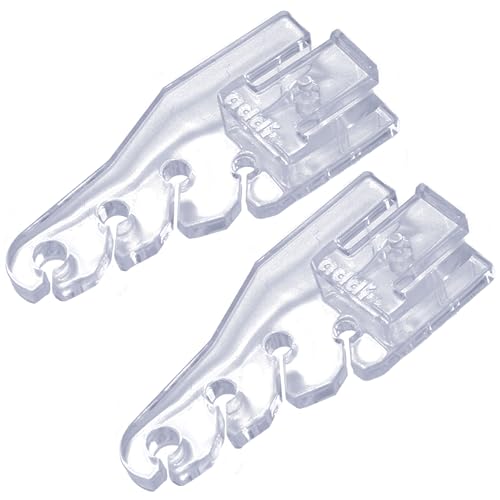
The King Size machine requires a specific type of tension control because of the larger circumference and the increased number of needles. This assembly is engineered to handle the longer yarn path required for larger projects like blankets or oversized garments. It keeps the yarn from sagging as it travels to the needles.
When knitting large items, even a tiny variation in tension can cause "wavy" fabric that looks unprofessional. This assembly provides the stability needed to keep the tension uniform from the first stitch to the last. It is a must-have for anyone scaling up their machine knitting hobby.
Because of the larger scale, it can be sensitive to yarn weight changes. Always perform a small swatch test when switching from a bulky wool to a lighter cotton. This assembly is the secret to achieving a professional, store-bought look on your handmade home decor projects.
Generic Universal Loom Tension Spring Kit

Sometimes you don’t need a brand-specific part; you just need a versatile solution that fits whatever machine happens to be on your table. These universal kits usually come with a variety of tension discs and springs, allowing you to experiment with different levels of resistance. They are perfect for the "tinkerer" who loves to modify their gear.
These kits are invaluable for knitters who work with a wide range of materials, from lace-weight mohair to super-bulky roving. You can swap out the springs to match the specific needs of your fiber, giving you total control over your gauge. It is the most flexible option on the market.
The downside is that they require a bit of DIY spirit. You won’t find a detailed manual for every machine, so you will need to rely on your own judgment and testing. If you enjoy customizing your equipment and aren’t afraid of a little experimentation, these universal kits offer the best value.
DIY Custom Tension Spring Mod for Budget Looms
For the truly adventurous knitter, a DIY tension mod can often outperform store-bought parts. By using simple hardware like washers, hair ties, or small springs from a hardware store, you can create a custom tensioner that fits your specific knitting style. It is a great way to save money and learn the mechanics of your machine.
The key to a successful mod is ensuring the yarn path remains smooth and snag-free. Any rough surface will catch on your yarn, leading to pilling or breakage. Use smooth, non-abrasive materials to line your tensioner and test it thoroughly with scrap yarn before starting a real project.
This approach is not for everyone, but it is deeply rewarding. It forces you to understand exactly how tension is generated, which makes you a better knitter overall. Start simple, test often, and don’t be afraid to iterate until you find the perfect balance for your hands.
Why Tension Springs Are Vital for Even Stitches
Tension springs are the gatekeepers of your knitting gauge. Without them, your machine would feed yarn at an inconsistent rate, leading to stitches that vary wildly in size. Think of the spring as a shock absorber that smooths out the rhythm of your knitting.
When your tension is off, you might notice that some stitches look "loopy" while others appear strangled. This isn’t just an aesthetic issue; it affects the structural integrity of your garment. Uneven tension can lead to garments that don’t hold their shape or feel uncomfortable against the skin.
- Consistency: Ensures every stitch is the same size.
- Reduced Dropping: Keeps the yarn firmly engaged with the needle hooks.
- Fiber Protection: Prevents excess friction that can damage delicate fibers.
Understanding the role of the spring helps you troubleshoot more effectively. If your fabric looks distorted, don’t just blame the yarn; look at how the yarn is being fed into the machine. A good tension spring is the difference between a project you wear with pride and one that stays in the "oops" pile.
How to Install Your New Loom Tension Spring Set
Installation might seem intimidating, but it is usually just a matter of removing a few screws and swapping out the old component. Always work on a clean, well-lit surface so you don’t lose any tiny springs or washers. Before you start, take a photo of the current setup so you have a reference point.
Once the new spring is in place, do not tighten it all the way down immediately. Start with a medium setting and knit a few rows of plain stockinette. Observe how the yarn moves through the tensioner and adjust in small increments until you see the stitches looking uniform.
If you find that the yarn is still snagging, check the alignment of the yarn guide. Sometimes the spring is fine, but the guide is slightly bent, which causes unnecessary drag. Take your time, be methodical, and remember that a proper installation is the foundation of a successful project.
Troubleshooting Common Loom Tensioning Problems
If you are still seeing uneven stitches, first check your yarn source. Is it pulling smoothly from the cake, or is it snagging on the label? Even the best tension spring can’t fix a yarn that is tangled or poorly wound.
Another common issue is dust and fiber buildup. Over time, lint can clog the tensioner, creating a "sticky" feeling that ruins your tension. Use a small brush or a burst of compressed air to keep the mechanism clean and free of debris.
- Check your yarn: Ensure it is wound into a center-pull cake for smooth feeding.
- Clean the path: Remove lint from the tension discs regularly.
- Test your gauge: Always knit a swatch to verify your tension before starting the main body of your project.
Don’t panic if things aren’t perfect right away. Tensioning is a skill that develops with practice and observation. By systematically checking your yarn, your machine, and your settings, you can solve almost any tension issue that comes your way.
Mastering your machine’s tension is one of the most empowering steps a knitter can take. By choosing the right spring and understanding how it interacts with your fiber, you move from simply operating a machine to truly crafting with it. Remember that patience is your most important tool, and every adjustment you make is a lesson in better knitting. May your stitches be even, your yarn flow smoothly, and your projects turn out exactly as you envisioned.