7 Best Sweater Combs For Yarn Care To Keep Knits Neat
Keep your knits looking pristine. Our guide reviews the 7 best sweater combs to safely remove pilling and maintain your favorite yarn garments with ease.
Every knitter knows the heartbreak of spending weeks on a sweater, only to see it sprout unsightly fuzz after a few wears. Pilling is a natural consequence of friction on even the highest quality wool, but it doesn’t have to be permanent. With the right tools, you can restore your handknits to their original, crisp glory. Here are the best sweater combs and shavers to keep your collection looking pristine.
Gleener Ultimate Fuzz Remover: Best Overall Pick
The Gleener is a standout because it doesn’t rely on a single blade type. It features three interchangeable edges designed for different fabric weights, from delicate lace to heavy, rustic wools.
This versatility is essential for a diverse wardrobe. If you are working with a lofty, single-ply yarn, you need a gentle touch; if you’re tackling a dense, felted-style knit, you need more aggression. The Gleener allows you to switch gears instantly.
The trade-off is the manual labor involved, as it requires a steady hand and consistent pressure. However, for the knitter who values control over their fiber, this is the gold standard.
The Laundress Sweater Comb: Best for Cashmere
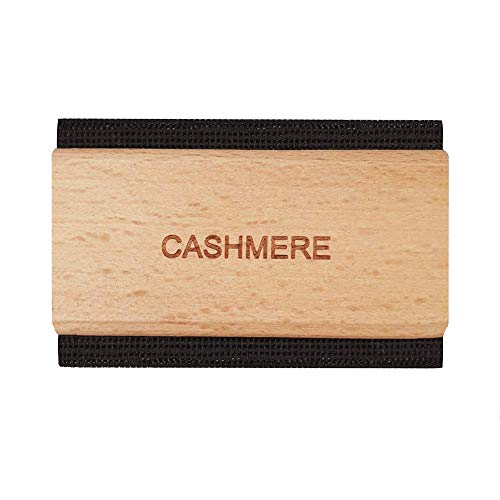

Cashmere is a temperamental fiber that demands the utmost respect. This comb is specifically engineered with a fine-toothed metal edge that lifts pills without snagging the delicate, lofty fibers that make cashmere so soft.
When you’re working with luxury fibers, the goal is to remove surface friction without compromising the integrity of the stitch. A harsh tool can easily pull a fiber out of the ply, leading to thin spots. This comb minimizes that risk significantly.
It is small, portable, and remarkably effective on high-end, fuzzy yarns. Just remember to use a very light touch; you are skimming the surface, not digging into the fabric.
D-Fuzz-It Fabric Comb: Best Budget Solution

Sometimes, the simplest tools are the most reliable. The D-Fuzz-It is a classic, no-frills cedar wood comb that has been a staple in knitting bags for decades.
It works by catching pills in its teeth as you glide it across the fabric. It is incredibly inexpensive and requires zero batteries or complex setup, making it perfect for keeping in your project bag for quick touch-ups.
Because it lacks an adjustable head, it is best suited for medium-weight wools. If you try to use this on very fine lace or loose, open-weave mohair, you might find it catches too aggressively.
Philips Fabric Shaver: Best Electric Option
Electric shavers are a game-changer when you have a large surface area to cover, like a chunky-knit cardigan or a wool coat. The Philips model uses a circular blade behind a protective mesh guard to trim pills cleanly away.
The primary benefit here is speed and consistent results. You don’t have to worry about manual pressure; the machine does the work for you at a uniform depth.
The risk, as with all electric shavers, is the potential for the mesh to snag a loose yarn end or a stray stitch. Always keep the fabric taut on a flat surface to ensure the blades only touch the surface pilling.
Cedar Wood Sweater Comb: Best Natural Choice

For the knitter who prefers sustainable materials, a wooden-handled cedar comb is an elegant addition to your toolkit. Cedar is naturally aromatic and durable, providing a sturdy grip while you work.
These combs are generally quite gentle, making them a safe choice for natural fibers like alpaca or merino. They work by gently combing the fibers back into alignment while catching the loose pills.
They are less effective on synthetic blends or very tightly twisted yarns that don’t pill as easily. Use these for your high-quality, natural-fiber handknits to maintain that "fresh off the needles" feel.
Steamery Pilo 2 Fabric Shaver: Best Design

The Steamery Pilo 2 is as much a piece of home decor as it is a utility tool. Its minimalist design houses a powerful motor and high-quality blades that make quick work of even the stubbornest pilling.
What sets this apart is the precision of the blade guard. It is engineered to be incredibly effective on various fabric thicknesses, offering a level of safety that cheaper electric shavers often lack.
It is USB-rechargeable, which keeps your workspace free of cords. While it is a higher investment, the longevity of the device and the quality of the finish make it worth the price for serious knitters.
Evercare Fabric Shaver: Best for Travel Use

If you take your knitting on the road, you need a tool that is compact and durable. The Evercare shaver is small enough to tuck into a notions pouch, ensuring you can tidy up your knits while traveling.
It is surprisingly powerful for its size, handling standard wool pilling with ease. It’s an excellent companion for those long car rides or flights where you might be finishing up a pair of socks.
Because of its smaller head, it takes longer to clean a full sweater. However, for spot-treating or quick maintenance, it is hard to beat for convenience and portability.
How to Properly Use a Comb to De-Pill Knits
Always lay your garment flat on a hard surface before you begin. Never attempt to de-pill a sweater while you are wearing it, as you cannot maintain the necessary tension to keep the fabric safe.
Start with a light, sweeping motion in one direction. Do not press hard; let the tool do the work. If you force the comb, you risk catching a stitch and accidentally creating a hole in your beautiful work.
After a few passes, lift the tool and clear the collected fuzz from the teeth. A clean tool is much more effective than one clogged with debris, and it prevents you from accidentally re-depositing pills onto the fabric.
Fiber Types: Which Knits Need Gentle Care
Not all fibers react the same way to grooming. Understanding your yarn’s structure is key to keeping it neat:
- Cashmere and Angora: These are extremely delicate. Only use the softest, finest-toothed combs.
- Superwash Wool: These yarns are often smoother and pill less, but they can stretch. Use a very light touch.
- Alpaca: Known for its halo, alpaca can be easily damaged. Avoid electric shavers if possible.
- Synthetic Blends: These are often more durable and can handle slightly more aggressive grooming.
Always test your tool on an inconspicuous area, like the inside of a hem or the underarm, before tackling the front of your sweater.
Maintaining Your Tools for Longer Sweater Life
Keep your combs clean by removing trapped fibers after every use. If you use a wooden comb, occasionally wipe it down with a dry cloth to keep the wood from splintering.
For electric shavers, empty the fuzz bin regularly. If the bin is overfull, the airflow is restricted, which reduces the efficiency of the blades and can cause the motor to overheat.
Finally, store your tools in a cool, dry place. Moisture can rust metal blades, and a dull blade is far more likely to snag your yarn than a sharp one. Treat your tools with the same care you give your yarn, and they will last for years.
Keeping your handknits in pristine condition is an essential part of the knitting journey. By choosing the right tool for your specific fiber and project, you extend the life of your garments significantly. Remember that a gentle, patient approach is always better than a rushed one. With these tools in your kit, your hard work will remain beautiful for years to come.