6 Best Yarn Winder Bases For Stability To Consider
Discover the top 6 yarn winder bases for maximum stability. Our guide reviews essential features to ensure smooth, tangle-free winding for every project.
There is nothing more frustrating than watching your yarn winder dance across the table just as you reach the center of a precious, hand-dyed skein. A winder that lacks a solid, stable base turns a relaxing winding session into a high-stakes balancing act. Over my two decades in the craft, I have learned that the quality of your base dictates the tension of your cake and the preservation of your fiber. This guide explores the most reliable winders on the market to ensure your yarn stays put while you work.
Stanwood Needlecraft Large Metal Yarn Winder


The Stanwood Large Metal winder is widely considered the gold standard for serious stash management. Its heavy-duty cast iron gears and wide base provide a level of resistance that smaller, plastic models simply cannot match.
When you are winding a massive 10-ounce skein of bulky wool, you need a machine that doesn’t shudder under the load. This unit is built to handle the torque generated by thick, heavy fibers without tipping over.
Bottom line: If you frequently wind large quantities of yarn, the weight of this metal construction is worth every penny for the stability it provides.
Knit Picks Yarn Ball Winder: Best Budget Pick
For those just starting their journey into hand-dyed yarns, the Knit Picks winder is an incredibly reliable entry point. It is lightweight, which makes it portable, though it does require a very secure attachment to your table.
Because it is made of lighter materials, it can be prone to sliding if your table surface is particularly slick. I always recommend using a piece of non-slip shelf liner underneath the base to give it that extra bit of "grip" it needs.
Bottom line: It is the perfect choice for the occasional project, provided you take a moment to ensure it is clamped down firmly before you start cranking.
Lacis Wooden Yarn Winder: Premium Stability

The Lacis Wooden Yarn Winder is a beautiful piece of equipment that feels like a permanent fixture in a dedicated craft room. The natural wood construction offers a density that plastic simply lacks, resulting in a much more stable winding experience.
Beyond the aesthetics, the craftsmanship here is focused on mechanical longevity. It feels substantial under your hand, and the weight of the wood base keeps the unit grounded even when winding high-twist yarns that might otherwise cause a lighter machine to vibrate.
Bottom line: This is an investment piece for the knitter who wants a tool that is as beautiful as it is functional and stable.
Nancy’s Knit Knacks Heavy Duty Yarn Winder
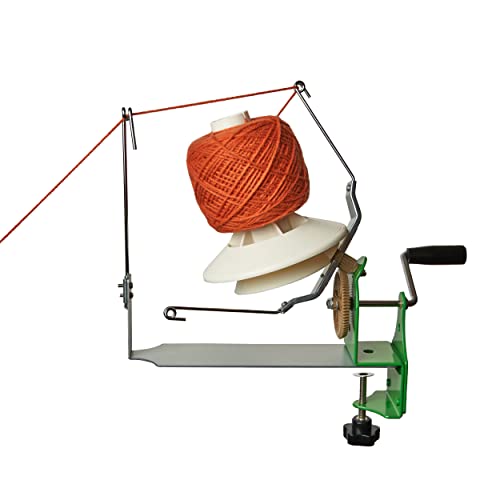
Nancy’s Knit Knacks has long been a favorite for those who prioritize engineering over frills. Their heavy-duty model is designed specifically to withstand the rigors of high-volume winding, making it a staple in many small yarn shops.
The base is designed with a wide footprint that distributes pressure evenly across your table. This prevents the "wobble" that often occurs when the tension of the yarn pulls against the winder’s rotation.
Bottom line: If you are a professional or a prolific knitter who winds yarn daily, the structural integrity of this base is unmatched.
ChiaoGoo Hand-Operated Yarn Winder Review
ChiaoGoo is a brand we all trust for their needles, and their yarn winder carries that same reputation for thoughtful design. It operates smoothly, which reduces the amount of manual force you need to apply to the handle.
Less force on the handle means less force transferred into the base of the machine. By creating a smoother gear system, they have effectively reduced the need for a massive, heavy base, making this a great middle-ground option for most knitters.
Bottom line: This winder offers a fantastic balance of smooth operation and stability for the average home knitter.
U-nitt Large Metal Yarn Winder for Skeins
The U-nitt Large Metal winder is a powerhouse designed for those who work with large, heavy skeins of superwash wool or cotton. The metal construction is robust, and the base is wide enough to prevent tipping during rapid winding.
One of the best features is the metal yarn guide, which is less likely to wear down over time compared to plastic versions. This durability extends to the base, which remains rigid even after years of use.
Bottom line: Choose this if you want a heavy-duty, long-lasting machine that won’t budge regardless of the yarn weight.
Why Base Weight Matters for Yarn Winder Stability
The physics of a yarn winder are simple: as you turn the handle, you are exerting force that wants to push the machine away from you. If the base is too light, the machine will lift or slide, causing uneven tension in your yarn cake.
A heavier base acts as an anchor. It doesn’t just sit on the table; it resists the rotational torque of the bobbin. When working with delicate fibers like silk or fine mohair, this stability is crucial to prevent the yarn from snagging or stretching during the winding process.
Bottom line: Always prioritize a heavier base if you have the space, as it eliminates the need for constant adjustments while winding.
Essential Tips for Securing Your Yarn Winder
Even the best winder can slip on a glass or high-gloss table. I always keep a small square of rubberized shelf liner in my knitting bag to place between the winder and the table surface.
Make sure your clamp is tightened, but be careful not to overtighten to the point of damaging your furniture. If your table is thick, ensure the winder’s clamp has a wide enough opening to seat properly; a wobbly clamp is the fastest way to ruin a perfectly good yarn cake.
Bottom line: A little bit of friction goes a long way—never skip the non-slip barrier between your winder and the table.
Troubleshooting Common Yarn Winder Slippage
If your winder is slipping, first check the surface of the table. Dust or oil can create a slick barrier that even the best clamps cannot overcome.
Also, check your yarn tension. If you are holding the yarn too tightly as you feed it into the winder, you are creating unnecessary drag. Let the yarn flow loosely through your fingers, letting the winder do the work of pulling it from the skein.
Bottom line: Slippage is usually caused by either a dirty table surface or over-tensioning the yarn during the winding process.
How to Maintain Your Yarn Winder for Longevity
A yarn winder is a mechanical device that requires occasional care. Once a year, I check the gears to ensure they are free of stray fibers or dust, which can cause the mechanism to bind and jerk.
If your winder starts to squeak, a tiny drop of sewing machine oil on the moving parts can make a world of difference. Always store your winder in a dust-free environment when it is not in use to keep the internal components running smoothly.
Bottom line: Treat your winder like a sewing machine; keep it clean and lightly lubricated, and it will serve you for decades.
Choosing the right yarn winder is about finding the perfect marriage between the weight of the base and the volume of your projects. Whether you opt for the heavy-duty metal of a Stanwood or the reliable portability of a Knit Picks model, the key is ensuring your setup is anchored securely. By investing in a stable base and maintaining your equipment, you ensure that every skein you wind results in a perfect, tangle-free cake. Happy knitting, and may your yarn always flow smoothly from the swift.