6 Best Bamboo Knitting Accessories For Delicate Yarn
Discover the top 6 bamboo knitting accessories perfect for delicate yarns. Learn how these smooth, lightweight tools prevent snagging and protect fiber quality.
Working with delicate yarns like silk, mohair, or high-twist merino requires a needle that offers a gentle touch. Bamboo needles provide a unique, grippy surface that prevents fine fibers from sliding off prematurely. By choosing the right tool, you gain better control over your stitch tension and minimize the risk of dropped stitches. This guide explores the best bamboo options to elevate your experience with luxury fibers.
Clover Takumi Bamboo Circular Knitting Needles


Clover Takumi needles are the gold standard for many knitters because of their consistent, smooth finish. They are incredibly lightweight, which significantly reduces hand fatigue during long sessions of lace knitting.
The tips are perfectly rounded—not too sharp, not too blunt. This makes them ideal for delicate yarns that are prone to splitting, such as single-ply hand-spun or loose mohair blends.
Because they are made from high-quality Japanese bamboo, they offer just enough "grab" to keep your stitches in place. If you find your yarn slipping off your metal needles constantly, switching to these will likely solve your problem immediately.
ChiaoGoo Bamboo Patina Circular Needles

ChiaoGoo’s Patina line offers a slightly darker, denser feel compared to standard bamboo needles. The patina process makes the bamboo harder and more durable, which is a major plus for smaller diameter needles that might otherwise snap.
These needles feature the famous ChiaoGoo cable, which is flexible and memory-free. When you are working on a complex lace shawl, having a cable that doesn’t kink or fight you is a genuine luxury.
The join between the needle and the cable is exceptionally smooth. You won’t have to worry about your delicate silk yarn snagging or catching as you slide your stitches across the transition.
Takumi Bamboo Double Pointed Needle Set
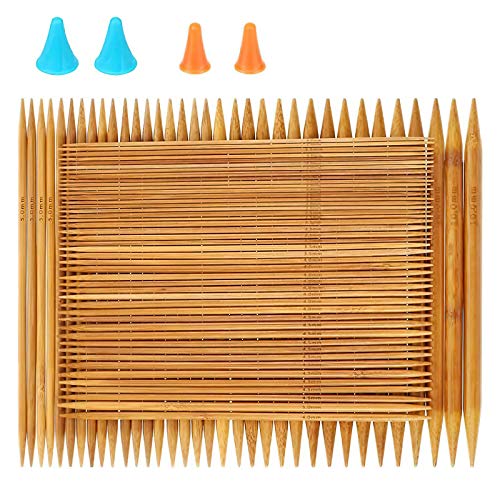
When you reach the crown of a hat or the toe of a sock, double-pointed needles (DPNs) are often your best friend. The Takumi DPN set is favored for its warm, natural feel in the hands.
The grip provided by the bamboo surface is essential when working with slippery fibers like bamboo-blend or silk yarns. You don’t have to white-knuckle your needles to keep them from sliding out of your work.
Keep in mind that bamboo DPNs are more flexible than metal ones. If you are a tight knitter, be mindful of the pressure you apply to avoid bending the needles over time.
Lykke Grove Bamboo Interchangeable Needle Set

Lykke is renowned for its aesthetic, but the Grove collection is a high-performance tool as well. These needles are crafted from strong bamboo and feature a beautiful, smooth finish that feels polished without being slippery.
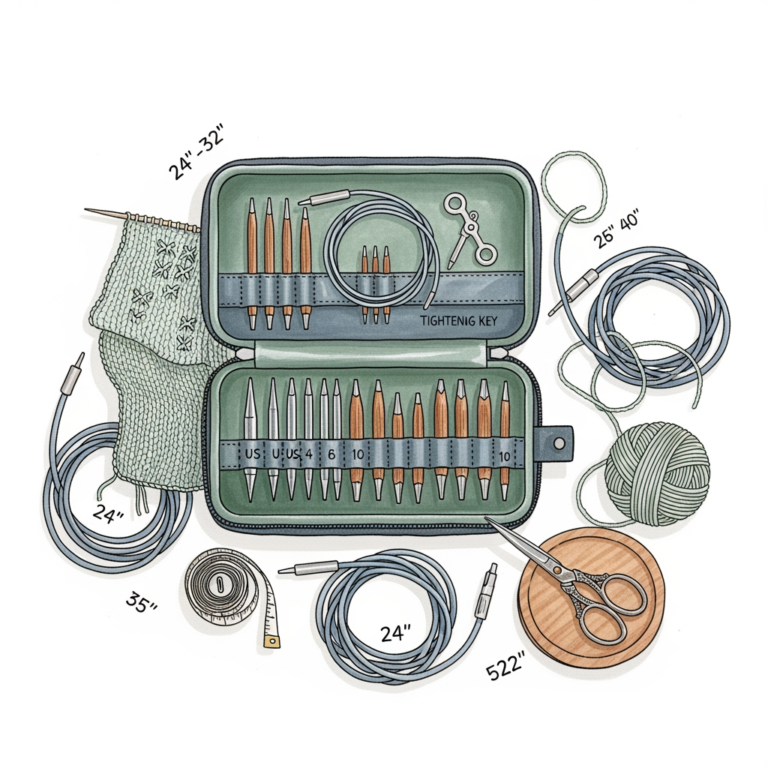
The interchangeable system is robust, allowing you to swap cable lengths depending on whether you are knitting a small cowl or a large sweater. For the knitter who works with various delicate fibers, this versatility is invaluable.
The set comes with a variety of accessories, including end caps and cable keys. These are small details, but they make managing your work much easier when you need to set a project aside.
Brittany Birch Wooden Knitting Needles

Brittany needles are crafted from sustainably harvested birch, which acts similarly to bamboo but often feels a bit sturdier. They have a classic, matte finish that provides excellent control for beginners and experts alike.
If you are working with a very fine, slippery yarn, the matte surface of Brittany needles provides the perfect amount of friction. It helps you maintain an even gauge, which is critical when the yarn is unforgiving.
These needles are handcrafted in the USA, and the attention to detail is evident in the uniformity of the tips. They are a wonderful choice for those who prefer a more traditional, tactile knitting experience.
Knitter’s Pride Ginger Bamboo Needle Set

The Ginger collection stands out for its deep, rich color and its exceptionally smooth, tapered tips. These needles are designed for knitters who need a bit more precision for intricate stitch patterns.
While they are made of bamboo, they are treated to be very strong and resistant to warping. This makes them a reliable choice for long-term projects where you might be using the same needles for several weeks.
The surface is slicker than standard bamboo but still retains the natural warmth of wood. It is a fantastic "middle ground" needle for someone who wants the grip of bamboo but the speed of a polished surface.
Why Bamboo is Ideal for Delicate Fiber Yarns
Delicate fibers, such as fine alpaca or silk, often lack the elasticity of wool. When you use metal needles, these yarns can slide off with the slightest movement, leading to dropped stitches and frustration.
Bamboo provides a natural friction that "catches" the yarn just enough to keep it secure. This allows you to relax your hands and knit with a lighter touch, which is better for both your tension and your joints.
- Natural Warmth: Bamboo warms up in your hands, which helps relax your muscles.
- Controlled Speed: It prevents the "runaway" effect common with slippery synthetic or silk yarns.
- Stitch Definition: The grip helps keep your stitches uniform, preventing uneven tension in your finished fabric.
How to Properly Maintain Your Bamboo Needles
Bamboo is a natural, porous material that can dry out over time. If your needles start to feel "grabby" or look dull, they likely need a little bit of hydration to restore their smooth finish.
You can gently buff your needles with a tiny amount of beeswax or a specialized wood conditioner. This keeps the surface smooth and prevents the bamboo from splintering.
Always store your needles in a case away from direct sunlight or extreme temperature changes. This prevents the bamboo from warping or becoming brittle, ensuring they last for years of crafting.
Preventing Needle Splintering and Dryness
Splintering is the most common complaint with bamboo needles, especially in smaller sizes. This usually happens when the wood becomes too dry or is subjected to too much lateral stress.
Avoid using your needles for anything other than knitting, such as picking at knots or using them as hair sticks. If you do notice a tiny rough patch, a quick rub with a fine-grit sanding sponge or a brown paper bag can smooth it out.
- Avoid Moisture: Never leave your bamboo needles in a damp environment, as this can cause them to swell and warp.
- Gentle Handling: Don’t force stitches if your gauge is too tight; instead, switch to a slightly larger needle size.
- Conditioning: A light wipe with a soft cloth and a drop of mineral oil once a year goes a long way.
Choosing the Right Needle Surface for Slippery Yarn
Not all bamboo is created equal, and the surface finish will dictate how your yarn travels. If you are working with a very slick yarn, look for a matte or "raw" bamboo finish for maximum grip.
Conversely, if your yarn is a bit fuzzy—like mohair—a highly polished bamboo needle will prevent the fibers from snagging. Understanding the interaction between your yarn’s ply and the needle surface is the secret to professional-looking results.
- Matte/Natural: Best for silk, rayon, or very slick synthetic yarns.
- Polished/Patina: Best for mohair, angora, or yarns that tend to "grab" the needle too much.
- Tapered Tips: Best for intricate lace work where you need to pick up multiple loops.
Selecting the right bamboo needle is about balancing your personal tension with the specific needs of your yarn. Whether you prefer the grip of natural bamboo or the polished feel of a treated wood, these options offer the control you need for delicate projects. Take the time to feel the difference in your hands, and your knitting will surely reward you with beautiful, consistent stitches. Happy knitting!