7 Best Thimbles For Colorwork Knitting To Try
Master colorwork with ease. Discover the 7 best knitting thimbles to manage multiple yarn strands, improve tension, and speed up your stranded projects today.
Stranded colorwork is one of the most rewarding techniques in knitting, but managing two or more strands of yarn can quickly turn a relaxing project into a tangled mess. A quality yarn guide, or thimble, acts as a dedicated conductor for your fibers, ensuring even tension and preventing your colors from twisting together. Choosing the right tool can transform your Fair Isle or Intarsia experience from frustrating to fluid. Here are the top options to help you maintain consistent gauge and rhythm in your colorwork.
Clover Adjustable Yarn Guide: Best for Beginners
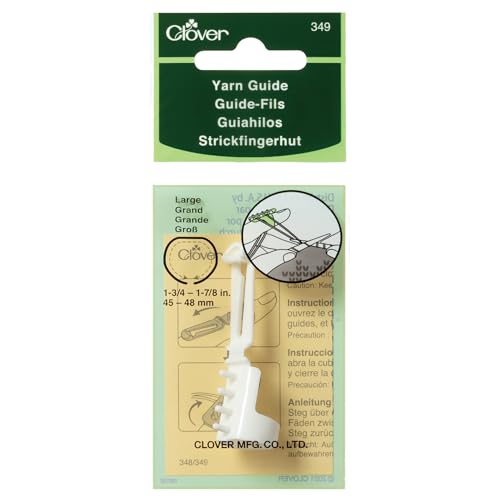

The Clover Adjustable Yarn Guide is a staple in many knitting bags for good reason. Its simple, open-ring design allows you to slip it onto your finger quickly without needing a perfectly tailored fit.
If you are just starting your colorwork journey, you don’t want to spend more time adjusting your tools than knitting your stitches. This guide keeps your yarns separated just enough to prevent the "yarn barf" that happens when balls roll around and tangle in your lap.
Because it is made of lightweight plastic, it won’t weigh down your hand during long sessions. It is the perfect entry point for learning how to manage two colors without the intimidation of more complex, rigid metal structures.
Norwegian Knitting Thimble: Best for Tradition

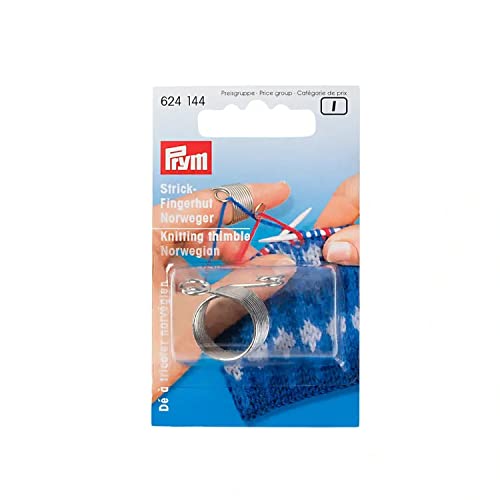
The traditional Norwegian thimble is a metal ring with multiple wire loops, designed specifically for holding two strands of yarn at a consistent height. It is a classic tool that has been used for generations to achieve the perfectly even floats required for authentic Scandinavian sweaters.
Using this tool requires a bit of practice, as you must learn to feed the yarns through the loops while maintaining a steady hand position. Once you master the rhythm, the metal loops act as a physical barrier that keeps your dominant and background colors perfectly distinct.
Keep in mind that these are often sized to fit snugly, so you may need to experiment with which finger feels most natural. For those who enjoy the tactile satisfaction of heritage tools, this is the gold standard for stranded knitting.
Prym Ergonomic Yarn Guide: Best for Comfort
The Prym Ergonomic Yarn Guide takes a modern approach to the traditional ring design by focusing on the wearer’s comfort. It features a soft, flexible material that contours to your finger, which is a massive relief if you suffer from hand fatigue.
If you are knitting a complex project like a colorwork yoke sweater, you might be at it for hours. A hard metal ring can dig into your skin, but this ergonomic version stays comfortable throughout a long afternoon of knitting.
It is particularly effective if you have sensitive joints or tend to grip your needles too tightly. The tradeoff is that the plastic can sometimes feel slightly less "sturdy" than metal, but the comfort factor usually outweighs this for high-volume knitters.
Tulip Yarn Guide Ring: Best for Precision Work

Tulip is renowned for its high-quality manufacturing, and their yarn guide ring is no exception. It offers a smooth, polished finish that prevents the yarn from snagging, which is vital when working with delicate fibers like alpaca or high-twist merino.
Precision is key when you are working on intricate charts where the difference between a "pop" of color and a muddy stitch is just a millimeter of tension. The loops on this ring are perfectly rounded, ensuring that your yarn slides through with minimal friction.
If you are working on a project with fine-gauge yarn, such as a pair of colorwork socks on 2.25mm needles, this guide ensures your tension remains uniform. It is a professional-grade tool for those who prioritize smooth, snag-free performance.
ChiaoGoo Yarn Guide Ring: Best for Durability
ChiaoGoo is a brand known for making tools that last, and their yarn guide ring is built with the same industrial-strength focus. It is constructed from high-quality stainless steel, meaning it won’t bend, snap, or wear down even after years of daily use.
When you are knitting with sticky, high-friction yarns like wool or mohair, you need a guide that can handle the constant pull. This ring remains rigid and true, ensuring that your yarn paths never collapse during a project.
It is an excellent investment for the knitter who wants to buy one tool and never worry about replacing it. Just be aware that because it is metal, it is not adjustable, so checking your ring size before purchasing is essential.
Koh-I-Noor Metal Thimble: Best for Two Colors

The Koh-I-Noor thimble is a specialized piece of equipment designed specifically for managing exactly two strands of yarn. It features two distinct wire loops that hold the yarns side-by-side, making it incredibly easy to pick up your dominant color without looking.
This is the ideal tool for knitters who find that their yarns constantly "cross-pollinate" in their hands. By keeping the two strands physically separated, it eliminates the need to constantly untwist your yarn balls.
It is a simple, no-nonsense tool that does one job exceptionally well. If you are working on a standard two-color project, this is often more efficient than a guide with four or more loops, which can sometimes feel cluttered.
Namaste Yarn Guide Ring: Best for Portability
The Namaste Yarn Guide Ring is designed for the knitter on the go who needs a tool that is as stylish as it is functional. It is compact and lightweight, making it easy to toss into your project bag without worrying about it getting crushed or lost.
If you frequently knit at coffee shops, on planes, or during your commute, you need a guide that doesn’t require a complex setup. This ring slips on and off in seconds, allowing you to transition from plain knitting to colorwork seamlessly.
Its minimalist design also means it doesn’t get caught on your clothing or project bag fabric. It is the perfect blend of utility and convenience for the modern, mobile maker.
How to Choose the Right Thimble for Your Tension
Choosing a thimble is as much about your personal tension style as it is about the tool itself. If you are a "tight" knitter, look for a guide with a wide, smooth aperture to prevent your yarn from binding.
Conversely, if you are a "loose" knitter, a guide with a slightly more restrictive loop can help you maintain control over the yarn flow. Always consider the weight of your yarn; a bulky wool will require a larger loop than a fine lace-weight silk.
- Finger Size: Ensure the ring fits securely without cutting off circulation.
- Yarn Texture: Slick yarns work well with most guides, but grippy wools need smooth, polished surfaces.
- Project Scale: A simple two-strand project doesn’t need a four-loop guide, which can add unnecessary weight.
Troubleshooting Common Colorwork Tension Issues
If you notice your colorwork looks "puckered" or uneven, your thimble might be set too far from your needles. Try moving the guide closer to your index finger to shorten the distance the yarn travels, which reduces the chance of floats becoming too tight.
Another common issue is "yarn dominance," where one color looks more prominent than the other. If your background color is overpowering your pattern, adjust the positioning of your strands in the thimble to ensure the dominant color is held slightly looser.
Remember that blocking is your best friend; many tension irregularities will even out once you soak and shape the finished fabric. However, if your floats are so tight that the fabric won’t stretch, no amount of blocking will fix it.
Essential Tips for Managing Multiple Yarn Strands
To keep your strands from tangling, try placing your yarn balls in separate bowls or containers on your left and right sides. This keeps the yarn paths distinct before they even reach your thimble.
When taking a break, always secure your yarn by twisting the strands together once or twice before putting the project down. This prevents the yarns from unraveling or knotting while the project sits in your bag.
Finally, don’t be afraid to experiment with your finger placement. Some knitters find that wearing the thimble on the index finger works best, while others prefer the middle finger for better leverage.
Finding the perfect yarn guide is a personal journey that depends on your hand size, your preferred knitting style, and the specific fibers you enjoy. Don’t be discouraged if your first attempt with a thimble feels awkward, as it takes time for your hands to build the necessary muscle memory. Once you find the right tool, your colorwork will become faster, more consistent, and infinitely more enjoyable. Trust your hands, keep your tension loose, and enjoy the beautiful patterns you create.