7 Best Loom Kits For Children To Spark Creativity
Discover the 7 best loom kits to boost your child’s creativity. This guide reviews top picks that build fine motor skills through fun, hands-on weaving crafts.
Weaving is the quiet, rhythmic cousin to knitting, offering a tactile way for children to understand how fabric is actually constructed from individual threads. Introducing a child to a loom is like handing them the keys to a textile laboratory where they can experiment with tension, color, and texture. Whether you want them to create simple wall hangings or functional fabric, the right starter kit makes all the difference. These seven looms provide the perfect foundation for developing a lifelong love of fiber arts.
Melissa & Doug Multi-Craft Weaving Loom Kit
This wooden frame is a classic entry point for children because of its simplicity and sturdy construction. It is designed to be approachable, taking the intimidation out of the "warping" process—the act of setting up the vertical threads that hold the structure of the weave.
The kit includes a generous amount of yarn, which is great for immediate gratification. However, keep in mind that the included yarn is often a basic acrylic blend; while durable, it lacks the drape and character of natural wool or cotton.
For a young maker, this is a low-stakes way to learn the over-under rhythm of weaving. Once they master the basics, you might consider upgrading their fiber stash to softer, more interesting textures.
Schacht Cricket Rigid Heddle Loom for Kids
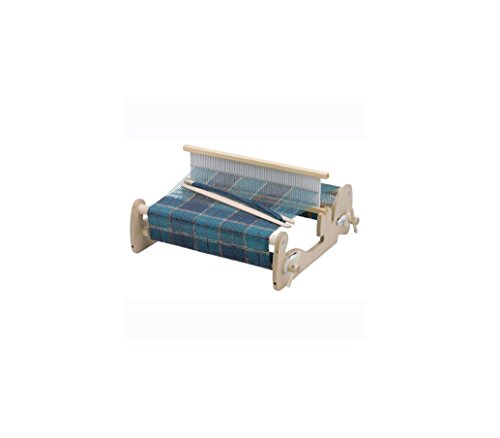

The Schacht Cricket is a significant step up, moving from a simple frame into the world of true rigid heddle weaving. This is where the magic happens: the heddle allows the child to lift and lower groups of threads simultaneously, creating a "shed" for the shuttle to pass through.
This loom is an investment that grows with the child. Because it functions like a scaled-down version of professional floor looms, the skills learned here translate directly to more advanced weaving down the road.
If your child is ready to move beyond simple tapestries and wants to weave scarves or table runners, this is the gold standard. It teaches the importance of tension and selvedge control—the edges of the fabric—which are critical skills for any fiber artist.
Ashford SampleIt Loom for Young Crafters

Ashford is a legendary name in the spinning and weaving community, and the SampleIt loom reflects that pedigree. It is compact, portable, and incredibly well-engineered for small hands.
The beauty of this loom lies in its "sample" nature, which encourages experimentation. If you are a knitter who loves playing with gauge swatches, you’ll appreciate how this loom lets kids test different yarn weights and color combinations without committing to a massive project.
The precision of the wood and hardware makes the shed change—the opening between threads—very clean. Clean sheds mean less frustration for a child, as the shuttle won’t get snagged on stray warp threads.
Beka 20-Inch Weaving Frame Loom for Beginners
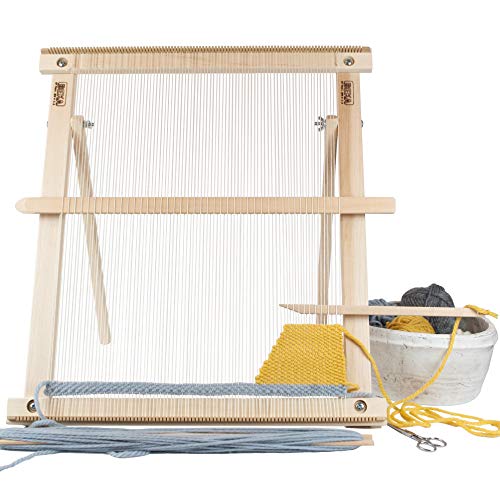
Beka looms are known for their traditional, honest design. A 20-inch frame offers a wide enough surface area to create substantial projects, such as small rugs or wall hangings, without feeling overwhelming.
This loom is essentially a sturdy wooden rectangle with notches. It doesn’t have the mechanical shed-making capabilities of a rigid heddle loom, but that forces the child to manually pick up individual threads.
This process is slow, meditative, and excellent for developing fine motor skills. It is the weaving equivalent of hand-knitting a lace shawl—it takes time, but the connection to the fabric is intimate and rewarding.
FunzBo Arts and Crafts Weaving Loom Set

This set is specifically curated for the "crafty" child who wants to dive into multiple projects at once. It’s less about the precision of a professional tool and more about the joy of mixed-media creation.
The kit often includes beads, ribbons, and varying weights of yarn. This is a great way to teach children about fiber variety, letting them see how a thick, fuzzy wool behaves differently on the loom than a smooth, shiny ribbon.
While the hardware is lighter than the high-end wooden looms, it is perfectly adequate for the intended purpose. It’s an ideal choice for a rainy afternoon project or a birthday gift that promises immediate creative engagement.
Harrisville Designs Potholder Loom Deluxe

If you want to teach a child about the grid-like structure of fabric, the Harrisville potholder loom is the quintessential tool. It uses stretchy cotton loops rather than traditional yarn, making it very forgiving for younger children.
The "Deluxe" version usually features a metal frame, which is far superior to the flimsy plastic versions found in big-box stores. Metal frames don’t warp under the tension of the loops, ensuring the final potholder actually lays flat.
This is the ultimate lesson in structural integrity. It teaches how a warp and a weft intersect at right angles to create a stable, functional object, which is the exact same principle behind the most complex woven textiles.
ArtSkills Wood Weaving Loom Craft Station

The ArtSkills station is designed to be an all-in-one hub for a young artist. It often includes auxiliary tools like needles and combs, which help in "beating" the weft—pushing the yarn down to ensure the weave is tight and consistent.
Consistency is a struggle for every new weaver, just as it is for a new knitter working on their first scarf. The inclusion of a comb helps the child learn how to control their density, which is a vital skill for achieving a professional-looking finish.
Look for a station that feels stable on the table. A wobbly loom makes for a wobbly weave, so ensure the base is secure before your child starts their first row.
How to Choose the Right Loom for Your Child
Choosing the right loom comes down to the child’s age and their specific interest in the craft. If they want to make functional clothing, a rigid heddle loom is necessary. If they are more interested in artistic expression or wall art, a simple frame loom will suffice.
Consider the following factors:
- Ease of Warping: Can the child set it up themselves, or will they need constant adult supervision?
- Portability: Does it need to be stored in a closet, or can it live on a desk?
- Expandability: Can you add accessories later to increase the complexity of the projects?
Avoid cheap, plastic toy looms. They rarely hold the tension required to make a decent piece of fabric, which leads to frustration and the eventual abandonment of the hobby.
Benefits of Weaving for Child Development
Weaving is a powerhouse for cognitive development. It requires the child to plan ahead, follow a sequence of steps, and understand spatial relationships. Much like reading a knitting chart, following a weaving pattern requires focus and the ability to visualize the end product.
Beyond the technical, it’s a lesson in patience. You cannot rush a weave; the fabric grows at the speed of your hands. This is a rare, slow-paced activity in a world of instant digital gratification.
It also teaches the value of materials. When a child spends hours weaving a piece, they gain a newfound respect for the textiles they wear every day. They begin to see the "how" behind the "what."
Essential Tips for Successful First Projects
Start with high-contrast, smooth yarns. It is much easier to see the structure of the weave when the warp and weft are different, bright colors. Avoid fuzzy mohair or dark, black yarns for the first few attempts, as they hide the "shed" and make it hard to spot mistakes.
Remind your child that mistakes are part of the process. In knitting, we call it "tinking" (knitting back); in weaving, it’s simply unweaving. If a row looks loose or uneven, it is perfectly okay to pull it out and try again.
- Keep the tension consistent: Don’t pull the weft yarn too tight, or the edges will draw in and create an hourglass shape.
- Leave a tail: Always leave a few inches of yarn at the start and end of your project to weave in later.
- Use a fork or comb: Gently pack your rows down to keep the weave uniform.
Weaving is a beautiful, tactile bridge between raw fiber and finished cloth that offers endless creative rewards. By selecting a high-quality loom and encouraging the slow, deliberate pace of the craft, you are giving your child a skill that will last a lifetime. May their shuttles fly true and their tension remain steady as they begin their journey into the world of textiles. Happy weaving to the next generation of makers!