
6 Best Fabric Glues For Securing Button Shanks
Secure button shanks easily with our top six fabric glue picks. Discover the best adhesives for a durable, professional hold on all your garment projects.
Securing a button shank to a finished knit piece can feel like a high-stakes gamble after hours of careful construction. While sewing is the traditional gold standard, a specialized adhesive provides that extra layer of security for heavy buttons or delicate decorative shanks. Choosing the wrong glue can lead to stiff, brittle patches or, worse, a ruined project. This guide breaks down the best adhesives to ensure your hard work stays perfectly embellished.
E6000 Craft Adhesive: Best Overall for Durability
E6000 is the heavy-duty workhorse of the crafting world, and for good reason. It remains flexible once cured, which is essential when working with the natural drape and movement of a knitted sweater.
If you are attaching a heavy, decorative shank button to a dense wool coat, this is your go-to. It handles the weight without cracking, unlike rigid super glues that might snap under the tension of daily wear.
The primary trade-off is the cure time and the strong odor. You will need to leave your project in a well-ventilated area for at least 24 hours to ensure a full, permanent bond.
Beacon Gem-Tac: Best for Delicate Fabric Bonds


When you are working with fine-gauge lace or delicate silk blends, you need an adhesive that won’t bleed through the fibers. Gem-Tac is designed specifically for embellishments, making it far more forgiving than industrial adhesives.
It dries crystal clear, which is a lifesaver if you accidentally get a tiny amount on the surrounding stitches. Because it is water-based, it doesn’t have the harsh chemical smell that can cling to your wool fibers long after the project is done.
Keep in mind that while it is excellent for securing shanks to fabric, it isn’t as heat-resistant as other options. Avoid using this on items that will be subjected to high-heat tumble drying or heavy steam pressing.
Gorilla Super Glue Gel: Best for Rapid Setting
Sometimes, you just need the button to stay put immediately. The gel formula of Gorilla Super Glue is a vast improvement over the watery versions, as it stays exactly where you place it without soaking into the yarn.
This is perfect for a quick fix on a button shank that has come loose right before you head out the door. The control is precise, and the bond strength is formidable for non-porous materials like metal or plastic shanks.
However, use this sparingly on natural fibers. Because it sets so quickly, it can create a hard, crusty spot on your knitting if you apply too much. Always test on a swatch before committing to the final garment.
Aleene’s Fabric Fusion: Best Permanent Bond
Aleene’s Fabric Fusion is a staple for a reason: it is specifically formulated to handle the unique texture of textiles. Unlike general-purpose glues, it is designed to move with the fabric rather than against it.
This is ideal for projects that see a lot of wear, like cardigans or accessories. It creates a permanent, machine-washable bond that stands up to the agitation of a washing machine, provided you follow the care instructions.
It is a bit thicker than other glues, so you will need a steady hand to apply it to a small shank. Take your time, and remember that a little goes a long way toward a secure hold.
Loctite Ultra Gel Control: Best for Precision
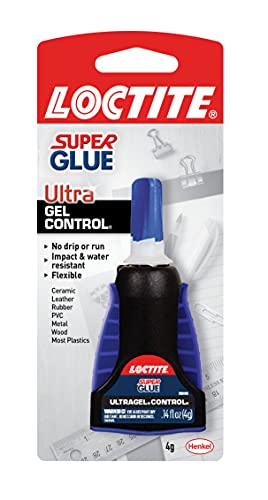
Precision is the biggest challenge when working with small button shanks on bulky knit fabric. The bottle design of Loctite Ultra Gel Control allows for a controlled, drop-by-drop application that prevents messy overflow.
If you are working with intricate, small-scale knitting, the "easy-squeeze" sides of the bottle are a game changer. You can place the glue exactly on the base of the shank without getting it caught in the surrounding purl bumps.
The gel consistency is also thick enough that it won’t run into your yarn fibers. It is a fantastic choice for those who want a clean, professional finish without the risk of visible glue residue.
Gutermann HT2 Textile Glue: Best Washable Option
Gutermann HT2 is a specialized textile glue that excels in durability after repeated laundering. If you are attaching buttons to a baby garment or a frequently worn item, this is a reliable choice.
It is specifically designed to resist both washing and dry cleaning, which is rare for craft adhesives. This makes it a great insurance policy for high-traffic projects where buttons are likely to be pulled or snagged.
The bond is strong, but it also remains slightly pliable. This prevents the "stiff patch" syndrome that often ruins the drape of a delicate hand-knit.
Essential Criteria for Choosing Your Fabric Glue
Choosing an adhesive for knitting isn’t just about the bond strength; it’s about how the glue interacts with the fiber. You must consider the fiber content, as synthetic yarns react differently to solvents than natural wool or cotton.
- Flexibility: The glue must move with your knit fabric, not create a rigid, uncomfortable spot.
- Drying Time: Consider how long you can afford to leave the project untouched.
- Washability: If the item needs to be laundered, ensure the glue is rated as permanent and water-resistant.
- Clarity: Always opt for a clear-drying adhesive to avoid unsightly marks on your yarn.
Avoid anything labeled as "permanent" that doesn’t mention fabric compatibility. Using household super glue on wool can actually damage the protein fibers over time.
How to Properly Apply Adhesive to Button Shanks
Preparation is everything when applying glue to a knit surface. Start by ensuring the area where the shank will sit is clean and free of loose lint, which can compromise the bond.
Use a toothpick to apply the adhesive to the button shank rather than applying it directly from the tube. This gives you total control over the volume of glue and prevents the dreaded "glue glob" that ruins the look of a garment.
Apply the glue to the shank, press it firmly into the fabric, and hold it in place for the duration recommended by the manufacturer. If possible, use a small weight or a pin to keep the button perfectly still while it cures.
Safety Tips for Handling Glues on Knit Projects
Always work in a well-ventilated area when using solvent-based glues like E6000. The fumes can be surprisingly strong and linger in the fibers of your yarn for days.
Wear gloves if you are prone to getting glue on your fingers. It is incredibly difficult to remove adhesive from your hands, and you certainly don’t want to transfer sticky residue onto your pristine knitting.
Keep your workspace clear of scrap yarn or finished projects while the glue is curing. It is far too easy to accidentally drop a piece of yarn into a wet glue patch, which is a mistake that is almost impossible to fix.
Troubleshooting Common Fabric Glue Applications
If you find that the glue has left a stiff, crunchy spot on your knitting, try gently steaming the area after the glue has fully cured. Sometimes, a bit of warmth and moisture can soften the bond just enough to restore some of the fabric’s natural drape.
If the button falls off, don’t just add more glue on top of the old layer. You must carefully pick away the dried residue from both the shank and the fabric before reapplying, or the new bond will never hold.
If you are worried about the bond failing, remember that glue should be a secondary measure. Always sew the button on with a strong thread, using the glue only to stabilize the shank and prevent it from wobbling.
Securing button shanks with adhesive is a practical skill that bridges the gap between traditional tailoring and modern fiber arts. By selecting the right product for your specific fiber and project needs, you can ensure your buttons remain as secure as your stitches. Take your time with the application, prioritize safety, and always test on a swatch first. With these tools in your kit, your finished garments will have that professional, long-lasting polish every knitter strives for.