7 Best Pressing Cloths for Delicate Yarns to Use
Protect delicate yarns with the right tools. Discover our top seven pressing cloths that prevent heat damage and ensure a professional finish for your knits.
Mastering the art of finishing is what separates a homemade garment from a professional-looking heirloom. When working with luxury fibers like silk, mohair, or fine alpaca, the heat of an iron can be a knitter’s greatest enemy or a miracle worker. Using the right pressing cloth is the vital buffer that prevents scorching and fiber flattening while allowing steam to set your stitches. This guide will help you choose the perfect barrier to protect your hard work during the final stages of your project.
Eucalan White Cotton Pressing Cloth: Best Overall
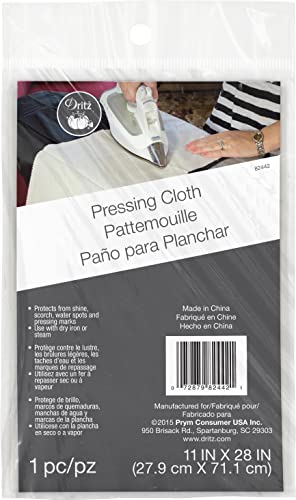

This cloth is the quintessential "workhorse" for any knitter’s kit. Because it is made of high-quality, lint-free white cotton, it handles steam beautifully without transferring any dyes or fibers onto your delicate lace or cables.
It is particularly effective for blocking wool sweaters where you need to distribute moisture evenly across a large surface area. The weight of the cotton is substantial enough to hold heat, but thin enough that you can still feel the texture of the fabric beneath your fingertips.
If you are a knitter who works primarily with standard sheep’s wool or blends, this is your go-to. It is durable, washable, and provides a consistent, reliable barrier that won’t let you down.
DMC Embroidery Linen Square: Best for Delicate Lace

Linen is a fiber that loves moisture, making it an ideal candidate for a pressing cloth when you are blocking intricate lace shawls. The natural weave of the DMC linen allows steam to pass through slowly, which helps "relax" the yarn without over-stretching the delicate picots or points.
When you are blocking a complex pattern like a Shetland lace scarf, you need a cloth that doesn’t slide around. The slight grip of the linen keeps your work in place, ensuring that your blocking pins stay true and your edges remain crisp.
Keep in mind that linen can be a bit stiff at first. You may want to wash it a few times before its first use to ensure it is soft and ready to drape over your most fragile projects.
Dritz Deluxe Pressing Cloth: Best Synthetic Blend
Sometimes you need a pressing cloth that offers a bit more structural integrity, especially when you are working with synthetic-heavy blends or acrylics. This cloth is designed to be heat-resistant and provides a smooth surface that glides over the fabric.
Synthetic yarns can be prone to "killing"—a process where heat permanently stretches or melts the fiber—so having a reliable, thicker barrier is essential. This cloth acts as a safety shield, preventing the iron from making direct contact with fibers that might be sensitive to high temperatures.
It is an excellent choice for beginners who are nervous about using an iron on their knitting. It takes the guesswork out of the process, providing a consistent layer of protection regardless of the fiber content.
Tailor’s Clapper and Canvas Cloth: Best for Wool

If you are knitting structured garments like a cabled cardigan or a tailored vest, a clapper is your best friend. Used in tandem with a heavy canvas cloth, it allows you to "set" a seam or a hem by trapping steam inside the fibers.
The canvas cloth is thick, which is perfect for absorbing excess moisture. Once you steam the area, you press the wooden clapper down firmly; the wood absorbs the heat and moisture, leaving you with a crisp, professional edge that looks like it came from a high-end boutique.
This technique is for the knitter who wants precision. It isn’t for delicate, airy lace, but for heavy wools that need to be tamed and flattened for a polished, tailored look.
June Tailor See-Through Pressing Sheet: Best View

Visibility is often the biggest frustration when blocking. With this translucent sheet, you can see exactly where your stitches are lying, which is a massive advantage when you are trying to match up side seams or align a complex colorwork motif.
This sheet is particularly useful when you are "seaming" two pieces together and want to ensure that your mattress stitch is perfectly aligned before you commit to the final press. You don’t have to lift the cloth to check your work, which prevents accidental shifting.
It is a synthetic material, so it won’t absorb moisture like cotton. Use it when you need to see your work, but be mindful of your iron’s temperature settings to avoid melting the sheet itself.
Bohin Silk Organza Pressing Cloth: Best for Sheers

Silk organza is the secret weapon of professional garment makers. It is incredibly thin and transparent, allowing you to see every stitch while providing a heat-resistant layer that is gentle enough for the most fragile mohair or angora blends.
Because it is so thin, it doesn’t add bulk between your iron and the yarn. This is critical when you are blocking delicate lace that has a tendency to "bounce back" if it isn’t set properly.
While it is an investment, it is a tool that will last a lifetime if cared for properly. It is the perfect choice for the knitter who works with luxury fibers and wants the ultimate control over their finishing process.
Iron-Safe Mesh Pressing Cloth: Best for Mohair

Mohair is notorious for matting if it is pressed too hard. A mesh pressing cloth is the solution because it allows steam to penetrate the fibers while keeping the iron’s plate from physically crushing the delicate halo of the yarn.
The mesh design creates a "floating" effect, ensuring that the steam does the work rather than the weight of the iron. This is essential for maintaining the fluff and softness of mohair or alpaca-silk blends.
Always use a light touch with this cloth. You want the steam to do the heavy lifting, so keep the iron moving and avoid pressing down with force.
Why Pressing Cloths Protect Your Delicate Fibers
The primary danger to hand-knits is the combination of intense heat and pressure from an iron. Without a cloth, you risk "glazing" the yarn, which happens when the heat flattens the fibers and creates an unnatural shine, effectively ruining the texture of the stitch.
Pressing cloths act as a thermal buffer, diffusing the heat so it reaches the yarn gradually. This is vital for wool, which can become brittle if dried out too quickly, and for synthetics, which can lose their structural memory if they get too hot.
Furthermore, a pressing cloth prevents "iron shine," that unsightly polished mark left by a hot metal plate. By using a barrier, you ensure that your yarn retains its natural appearance and soft hand-feel after the blocking process is complete.
Essential Tips for Steam Blocking Fine Yarns
When blocking fine yarns, remember that steam is often more effective than direct contact. You can hover your iron an inch above the pressing cloth and let the steam permeate the fabric, which is usually enough to set the stitches without any risk of scorching.
Always test your technique on a swatch first, especially if you are working with a new-to-you fiber. A swatch will tell you how much steam your yarn can handle and whether it tends to grow significantly during the blocking process.
Finally, never move your garment while it is still damp and warm. Let the piece sit under the pressing cloth until it is completely cool and dry, as this allows the fibers to "set" in their new, blocked position.
How to Maintain Your Pressing Cloths for Longevity
Treat your pressing cloths as you would your favorite knitting needles. If you are using a cotton or linen cloth, wash it periodically to remove any dust or residue that could transfer to your yarn during the next blocking session.
Avoid using fabric softeners when washing your cloths. Softeners can leave a waxy film on the fabric, which can then be transferred to your pristine knitting, potentially affecting how the yarn takes to future washings.
Store your cloths folded neatly or rolled in a clean, dry place. If you maintain them well, these simple tools will be reliable companions for hundreds of projects, ensuring every piece you finish looks as beautiful as the day you cast it off.
Investing in a quality pressing cloth is one of the most underrated ways to elevate your knitting from a hobby to a craft. By choosing the right barrier for your specific fiber, you ensure that your stitches remain soft, vibrant, and perfectly shaped. Remember that blocking is the final step of your creative journey, so take the time to do it with care. With these tools in your arsenal, you can confidently finish any project knowing it will look its absolute best.