7 Best Lucet Forks For Making Cord Worth Owning
Discover the seven best lucet forks for crafting durable, decorative cords. This guide highlights top tools to help you master this ancient braiding technique.
The lucet is a deceptively simple tool that has been creating durable, square-braided cord for centuries. Whether you are crafting drawstrings for project bags or sturdy handles for handmade totes, the right fork changes the entire experience. Choosing the perfect implement requires balancing material, weight, and the specific texture of your chosen yarn. Here are seven top-tier options to elevate your cord-making practice.
1. Lucet Fork by Lacis: Best Traditional Choice


The Lacis lucet is a staple in many fiber artist’s toolkits for a reason. It honors the classic design that has been used by textile enthusiasts for generations, focusing on utility and reliable geometry.
If you appreciate the historical roots of your craft, this fork provides a tactile connection to the past. The shape is standard, ensuring that your loops remain consistent in size and tension as you work.
The primary trade-off here is the lack of modern ergonomic bells and whistles. If you are working on a massive project, like a long belt, you might find the handle less forgiving than newer, contoured designs.
2. Ashford Wooden Lucet: Best Ergonomic Design

Ashford is a titan in the spinning and weaving world, and their lucet reflects that deep understanding of ergonomics. The wood is finished to a high standard, ensuring that your yarn glides off the tips without snagging.
The handle is designed to sit comfortably in the palm of your hand, which is a lifesaver during long sessions. When you are working with high-twist wool or sticky mohair, a smooth wooden surface prevents the fibers from catching.
This is an excellent choice if you have hand fatigue or tension issues while crafting. It is a premium tool that justifies its price through sheer comfort and longevity.
3. Furls Crochet Lucet: The Luxury Wood Option
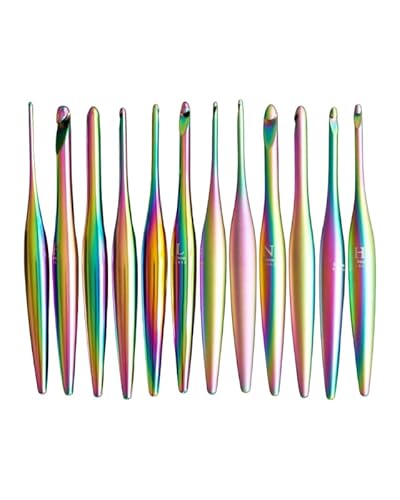
Furls is famous for their high-end crochet hooks, and they bring that same aesthetic to their lucet forks. These are heirloom-quality tools, often crafted from beautiful, polished hardwoods that feel substantial in the grip.
Beyond the aesthetics, the balance is superb. A well-balanced tool allows you to maintain a steady rhythm, which is the secret to achieving a uniform "square" braid in your cord.
Because these are luxury items, they are an investment piece. If you are a casual maker, a simpler tool might suffice, but if you value beauty in your workspace, this is the gold standard.
4. KnitPro Symfonie Lucet: Smooth Yarn Handling

The KnitPro Symfonie line is beloved for its multi-colored, laminated birch construction. This lucet offers a unique "slick" feel that is somewhere between plastic and raw wood, which is perfect for stubborn fibers.
If you are working with cotton or linen—which can be notoriously grabby—this material helps the yarn slide off the fork with minimal effort. It reduces the physical strain of constantly manipulating the loops.
The visual appeal is also a major factor here, as the vibrant colors make it easy to spot in a crowded craft bag. It’s a functional, reliable tool that bridges the gap between traditional materials and modern manufacturing.
5. Clover Lucet Fork: Best for Busy Beginners
Clover products are synonymous with reliability and accessibility. Their lucet fork is lightweight, durable, and features a design that is very forgiving for those just learning the mechanics of cord-making.
The plastic construction means it is incredibly easy to clean and maintain. If you are experimenting with dyeing your own yarn or working with greasy, unwashed wool, this tool won’t absorb any oils or pigments.
It’s the perfect "toss in your bag" tool for travel knitting. You won’t worry about it snapping or getting damaged, making it an ideal choice for the beginner who wants to focus on technique rather than hardware.
6. Schacht Spindle Company Lucet: Sturdy Crafting

Schacht is a powerhouse in the weaving community, and their lucet is built with a "workhorse" mentality. It is robust, well-proportioned, and designed to withstand hours of repetitive, heavy-duty use.
This tool is particularly good if you are using thicker, worsted-weight yarns or even cordage. The spacing of the tines is generous, allowing for a wider braid that feels substantial and strong.
If you are making handles for heavy bags or home decor items, you need a tool that won’t flex under tension. Schacht delivers that structural integrity without fail.
7. Wooden Hand-Carved Lucet: Best Artisan Pick

There is something special about using a tool made by another maker. Hand-carved lucets often feature unique woods, ergonomic shapes tailored to the carver’s vision, and a warmth that mass-produced plastic simply cannot replicate.
These tools are often one-of-a-kind, meaning you get a piece of functional art. They are usually finished with natural oils or waxes, which feel wonderful against the skin while you work.
The downside is that they vary in quality; always check that the tines are sanded perfectly smooth. A snag on a hand-carved tool can ruin a delicate silk or alpaca yarn, so quality control is in your hands.
8. Essential Factors for Choosing Your Lucet Fork
When selecting your tool, consider the weight and balance first. A tool that is too heavy will tire your wrist, while one that is too light might feel flimsy and hard to control.
Think about the friction of your yarn. Slicker, finished woods are better for sticky fibers like mohair, while slightly grippier surfaces can help manage slippery silk or rayon yarns.
- Tine spacing: Wider tines create wider, flatter cords.
- Handle shape: Consider a rounded handle if you suffer from joint pain.
- Material: Plastic is for utility; wood is for comfort and aesthetics.
9. Mastering the Lucet: Essential Cord Techniques
The key to a professional-looking cord is consistent tension. If you pull your loops too tightly, the cord becomes rigid and loses its beautiful square structure.
Keep your loops loose enough to slide comfortably over the tips, but snug enough to maintain the braid’s shape. Use the "thumb-press" method to hold the previous loop down while you pull the new one through.
If you are struggling with uneven edges, try blocking your finished cord. Gently steaming it or wetting it and letting it dry under light tension can even out minor irregularities in your gauge.
10. Comparing Lucet Materials: Wood vs. Plastic
Plastic is the ultimate utilitarian choice. It is inexpensive, easy to produce, and virtually indestructible, making it perfect for beginners who are still learning how much force to apply to their loops.
Wood offers a superior tactile experience and is generally warmer to the touch. It also has a natural "give" that many knitters find more pleasant during long, meditative crafting sessions.
Ultimately, your choice depends on your project. If you are working with delicate, luxury fibers, a smooth, high-quality wood is worth the investment to prevent damage. If you are churning out yards of utility cord, a durable plastic tool is a sensible, cost-effective partner.
The lucet is a timeless tool that rewards patience and rhythm, turning simple yarn into incredibly strong, versatile cord. By selecting a fork that fits your hand and suits your fiber, you ensure that every project is as enjoyable to make as it is to use. Don’t be afraid to try different materials until you find the one that feels like an extension of your own fingers. Happy crafting, and may your braids always be perfectly square.