6 Best Wool Wash Soaps For Hand Knits Worth Trying
Keep your hand knits soft and durable with these six top-rated wool washes. Discover our expert picks designed to clean safely and preserve delicate fibers.
After spending two decades watching beautiful hand-knit sweaters felt into stiff boards because of the wrong soap, I know that your choice of wash matters as much as your choice of yarn. Treating your finished projects with care ensures that your hard work stays soft, supple, and wearable for years to come. The right wool wash isn’t just about removing dirt; it’s about maintaining the natural oils and structure of the fiber. Let’s look at the best products to keep your knitting looking like it just came off the needles.
Eucalan Delicate Wash: The Best No-Rinse Option


Eucalan is the gold standard for many knitters because it eliminates the need to rinse your project. When you’ve spent forty hours knitting a lace shawl, the last thing you want is to agitate the fibers by hauling a heavy, water-logged piece of fabric back and forth under a faucet.
The formula contains lanolin, a natural wool wax that conditions the fibers, keeping them soft and preventing them from becoming brittle. This is particularly beneficial for rustic, non-superwash wools that tend to lose their natural luster after a few washes.
The trade-off here is the faint, lingering scent. While many find the eucalyptus or lavender pleasant, those with extreme scent sensitivities might prefer a different route. If you use it, simply soak, squeeze, and block—it’s that straightforward.
Soak Wash: Best for Gentle Cleaning and Scents
Soak is a modern favorite that focuses on a rinse-free, eco-friendly approach. It is incredibly efficient, requiring only a small amount of product to clean a large garment, which makes it a cost-effective choice for those of us with a "stash" of finished sweaters.
What sets Soak apart is its variety of sophisticated, light fragrances. If you’re gifting a project, the subtle scent adds a professional, boutique-quality finish that really delights the recipient.
However, because it is so gentle, it may not be the best choice for heavily soiled items or garments that have been worn through a rugged winter season. Use it for your delicate heirloom knits that need a light refresh rather than a deep scrub.
Kookaburra Wool Wash: Best for Heavy-Duty Care
If you are working with raw, greasy wool or vintage thrift-store finds, Kookaburra is your best friend. It utilizes a unique tea tree oil formula that acts as a natural deodorizer and cleaner, cutting through grime that standard washes might miss.
This wash is essentially a heavy-duty worker that excels at cleaning fibers that have been stored for years. It is excellent for "de-funking" wool that has picked up a musty smell from being tucked away in a cedar chest or a basement.
Be aware that it is much more aggressive than the delicate no-rinse options. Always follow the dilution instructions carefully, as using too much can leave a residue that feels slightly tacky on the yarn.
The Laundress Wool & Cashmere: Best for Luxury
When you have invested in high-end fibers like cashmere, alpaca, or silk-mohair blends, you want a wash that treats them with the same respect you gave them while knitting. The Laundress provides a sophisticated, concentrated clean that feels like a spa treatment for your fibers.
It is formulated to be pH-neutral, which is critical for protecting the protein structure of animal fibers. If you use a soap that is too alkaline, you risk stripping the scales of the wool, leading to a dull, scratchy garment.
This is a premium product, and the price tag reflects that. Reserve this wash for your "forever pieces"—the ones that took months to complete and are meant to be passed down through generations.
Orvus Paste: The Best Professional Choice
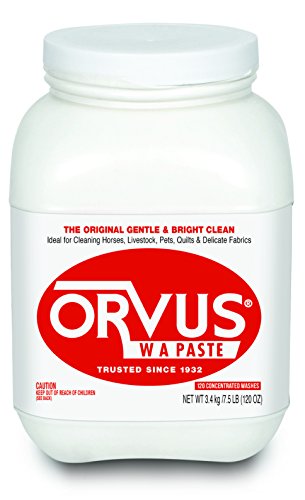
Orvus Paste is a legendary secret among professional textile conservators and serious fiber artists. It is a highly concentrated, neutral soap that cleans incredibly well without leaving any chemical residue behind.
Because it is a paste, you only need a tiny amount for a large basin of water. It is the go-to for knitters who are worried about allergies, as it is completely free of perfumes, dyes, and complex additives.
The learning curve is slightly higher because you have to dissolve the thick paste into the water before adding your knit. It’s not as "grab-and-go" as the liquid washes, but the performance is unmatched for deep, neutral cleaning.
Eucalan Unscented: Best for Sensitive Skin

Many knitters suffer from contact dermatitis or migraines triggered by synthetic fragrances, making the standard scented washes a non-starter. Eucalan Unscented offers the exact same fiber-nourishing benefits as their original formula without any of the added perfume.
This is the safest bet for baby knits or items that will sit directly against the skin, like cowls and hats. You get the lanolin-enriched protection without the worry of skin irritation.
It is also the most versatile option for those who want to use their own essential oils. You can add a drop of your favorite scent if you want, or keep it completely neutral for a truly clean, natural finish.
Why Specialized Wool Wash Beats Regular Detergent
Standard laundry detergents are designed to break down organic stains like food and grass, which often involves enzymes that "eat" proteins. Since wool is a protein fiber, these detergents can literally digest your knitting, weakening the yarn and causing it to snap over time.
Regular detergents also have a high pH level, which causes the microscopic scales on wool fibers to open up and interlock. This is exactly what causes felting—once those scales lock together, there is no way to reverse the process.
Specialized wool washes are pH-balanced to keep those scales lying flat and smooth. They also lack the harsh enzymes that degrade animal fibers, ensuring your project retains its structural integrity and stitch definition.
How to Properly Soak Your Hand Knits Safely
The most common mistake I see is "agitation." Even with the best wool wash, if you scrub or wring your knitting, you are inviting felting, especially with non-superwash wools.
Fill your basin with cool to lukewarm water and mix in the wool wash before you add the garment. Submerge the item gently, pushing it down so it is fully saturated, and let it soak for at least 15 to 20 minutes.
When you are ready to remove it, lift the garment out in a ball, supporting its weight so it doesn’t stretch. Never pull on the fabric while it is wet, as the weight of the water can cause permanent distortion to your gauge.
Preventing Fiber Damage During the Wash Cycle
Never, under any circumstances, toss a hand-knit sweater into a standard washing machine unless the yarn label specifically says "machine washable." Even then, use a mesh laundry bag to prevent the garment from snagging on the agitator or drum.
If you are hand-washing, avoid extreme temperature changes. Moving a wool garment from hot water to cold water can cause "thermal shock," which leads to immediate felting and shrinkage.
Keep your water temperature consistent throughout the entire process, including the rinsing stage if you are using a product that requires one. Consistency is the key to preventing the fibers from seizing up.
Essential Tips for Drying Your Finished Projects
After your soak, the goal is to remove as much water as possible without twisting the fabric. Lay the garment flat on a thick, clean towel, roll the towel up like a sleeping bag, and press down firmly to wick away the excess moisture.
Never hang a wet wool sweater on a hanger. The weight of the water will pull the shoulders and body out of shape, leaving you with a garment that is two sizes larger than what you intended.
Always block your project on a flat surface, pinning it to your desired measurements if necessary. Let it air dry away from direct heat sources or sunlight, which can fade colors and make fibers brittle.
Taking the time to wash your hand knits correctly is the final, most important step in the knitting process. By choosing a specialized wash and handling your projects with care, you protect the time and love you poured into every stitch. Treat your yarn well, and it will reward you with years of warmth and beauty. Happy knitting!