7 Best Sock Knitting Patterns For Beginners To Try
Start your knitting journey with these 7 beginner-friendly sock patterns. Learn essential techniques and find simple projects to build your crafting skills.
Knitting your first pair of socks is a transformative rite of passage that turns a ball of yarn into a functional, heirloom-quality garment. While the prospect of turning a heel or managing tiny needles can feel daunting, the right pattern acts as a roadmap to success. This guide curates seven accessible patterns designed to build your confidence and technical skills one stitch at a time. Whether you prefer cuff-down or toe-up construction, these selections provide the perfect foundation for your sock-knitting journey.
Rye by Tin Can Knits: The Ultimate First Sock
Rye is the gold standard for beginners because it uses worsted weight yarn, which makes the knitting process significantly faster than traditional fingering weight socks. By using larger needles, you can see your stitch structure clearly, making it much easier to identify and correct mistakes.


This pattern teaches you the fundamentals of sock architecture without the intimidation of tiny, fiddly stitches. You will learn the basic cuff-down construction, which is the most common way to learn how a sock is shaped.
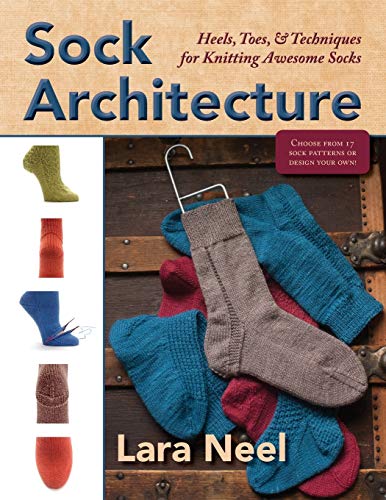
The trade-off here is that worsted weight socks are quite thick, meaning they won’t fit into every shoe. However, they make for incredible house socks that provide warmth and comfort while you master the mechanics of the heel flap and gusset.
Vanilla Latte Socks: Simple Texture for Practice
Vanilla Latte is the perfect "next step" pattern once you are comfortable with basic stockinette. It introduces a simple, repetitive texture that keeps the knitting interesting without requiring you to constantly consult a complex chart.
The beauty of this pattern lies in its versatility and the way it highlights variegated or hand-dyed yarns. Because the texture is subtle, it won’t compete with the color shifts in your yarn, preventing the dreaded "pooling" effect where colors clump together in an unattractive way.
If you find yourself getting bored with plain, flat knitting, this pattern provides just enough engagement to keep your hands moving. It is an excellent way to practice maintaining consistent tension across a textured surface.
Hermoine’s Everyday Socks: A Beginner Staple
Hermoine’s Everyday Socks feature a slip-stitch pattern that creates a durable, squishy fabric perfect for daily wear. This specific stitch pattern is remarkably forgiving, which is a blessing for beginners who might have slight variations in their tension.
The slip-stitch technique creates a denser fabric than plain stockinette, which helps the socks hold their shape longer. This is particularly useful if you are using a high-quality wool that has a bit of stretch but needs structural support to prevent sagging around the ankle.
Don’t be intimidated by the name; the pattern is straightforward and repetitive. It is a fantastic introduction to working with patterns that have a small, intuitive repeat, teaching you to read your knitting rather than just following instructions blindly.
Basic Ribbed Socks: Mastering the Cuff Technique
Ribbing is the secret to a sock that actually stays up on your leg. Starting with a basic ribbed sock helps you understand the interaction between knit and purl stitches, which is the foundation of almost all advanced knitting.
When you knit a rib, the fabric naturally pulls inward, creating a snug fit that hugs the calf or ankle. This is essential for beginners because it compensates for minor gauge inconsistencies that often occur when you are still developing your "knitting rhythm."
Be mindful that ribbing requires more yarn than plain stockinette, so ensure you have enough yardage before you begin. If you are a loose knitter, you might find that your ribbing looks a bit "gappy"—if this happens, try dropping down one needle size to achieve a tighter, more professional finish.
Winwick Mum’s Basic Sock: A Reliable Foundation
Winwick Mum’s approach is widely considered the gold standard for teaching the classic heel flap and gusset method. The instructions are incredibly granular, breaking down every single step so you never feel lost in the process.
This pattern is designed for the standard sock-weight yarn, which is what you will likely use for the rest of your knitting life. It teaches you how to pick up stitches along the heel flap, a skill that often trips up beginners but becomes second nature with practice.

The bottom line is that this pattern removes the mystery from sock construction. If you can follow a recipe, you can knit these socks; it is a reliable, no-nonsense path to your first pair of well-fitting footwear.
Fish Lips Kiss Heel Socks: Perfecting the Fit
The Fish Lips Kiss heel is a short-row heel that eliminates the need for picking up stitches or complex gusset decreases. It is a game-changer for knitters who find traditional heels bulky or difficult to execute.
This method is incredibly efficient and produces a smooth, seamless finish that fits snugly against the back of the heel. It is particularly popular because it can be inserted into almost any sock pattern, giving you total control over the fit and customization of your project.
However, the short-row method requires a bit of focus to ensure you don’t end up with small holes where the turns occur. Practice your "double stitches" on a swatch first to ensure you understand the mechanics before committing to the full sock.
Silver’s Sock Class: The Classic Cuff-Down Guide
Silver’s Sock Class is an online institution that has guided thousands of knitters to their first finished pair. It is a comprehensive, text-based tutorial that emphasizes the "why" behind every step, not just the "how."
This resource is ideal if you are a learner who prefers detailed explanations and troubleshooting tips over video tutorials. It covers everything from measuring your foot to choosing the right heel and toe for your specific anatomy.
The depth of information here is unmatched. If you ever feel like you are struggling with a specific part of your sock, Silver’s guide likely has a section dedicated to fixing exactly that problem.
Choosing the Best Sock Yarn for Your First Pair
Selecting the right yarn is as important as the pattern itself. For your first pair, look for a superwash wool blend with 20-25% nylon content.

- Superwash wool: Can be machine washed without felting, making your socks practical for daily use.
- Nylon: Provides the necessary strength to prevent your heels and toes from wearing through.
- Ply: Look for a 4-ply or higher construction; more plies generally mean a rounder, more durable yarn that resists pilling.
Avoid 100% alpaca or single-ply yarns for your first pair. While they feel luxurious, they lack the memory and structural integrity needed for high-friction areas like the heel and ball of the foot.
Understanding Heel Construction and Turn Methods
The heel is the most intimidating part of a sock, but it is simply a matter of geometry. You are essentially creating a pocket to accommodate the curve of your foot.
- Heel Flap and Gusset: The most traditional method; it is sturdy and easy to adjust for high insteps.
- Short-Row Heels: Creates a clean, minimalist look but can be tricky to keep tight at the turning points.
- Afterthought Heels: You knit a tube and insert the heel later; perfect if you want to avoid stopping your progress to work on the heel mid-sock.
Don’t be afraid to experiment with different heel types as you progress. Every knitter eventually finds their "favorite" heel that fits their foot shape best, but you won’t know yours until you try at least two or three different styles.
Essential Notions for Your First Sock Project
Beyond your needles and yarn, having the right tools makes the experience much more enjoyable. Invest in a set of high-quality double-pointed needles (DPNs) or a circular needle if you plan to use the Magic Loop method.
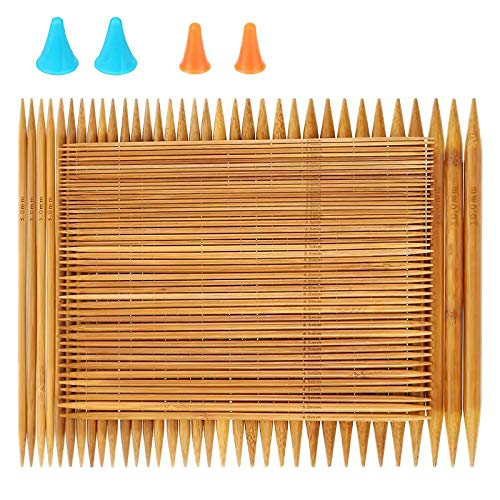
- Stitch markers: Essential for keeping track of your heel turns and gusset decreases.
- A flexible measuring tape: You cannot rely on row counts alone; you must measure your foot as you go.
- Wool wash: Use this for your final blocking to relax the stitches and even out your tension.
If you are prone to hand fatigue, consider bamboo or wooden needles for better grip, or stainless steel if you prefer a faster, slicker knitting experience. Small, sharp-pointed needles are generally preferred for sock knitting to help navigate the tight stitches of the heel and toe.

Knitting your first pair of socks is a rewarding challenge that pays off every time you step into a pair of handmade woolens. By starting with these proven patterns and paying attention to your yarn and tool choices, you are setting yourself up for success. Don’t worry about perfection on your first attempt, as the joy of sock knitting lies in the process and the custom fit you will eventually master. Pick your favorite pattern, cast on, and enjoy the rhythm of the needles.