6 Best Knitwear Storage Boxes for Seasonal Protection
Keep your sweaters pristine with our top six knitwear storage picks. Learn which materials offer the best protection against moths, moisture, and dust damage.
After spending months pouring love into a hand-knit sweater, the last thing you want is to find it compromised by seasonal humidity or hungry moths. Proper storage is the unsung hero of a long-lasting hand-knit wardrobe, acting as a shield against the elements that degrade delicate fibers. Choosing the right container ensures your stitches remain as crisp and clean as the day you bound off. Here are the best storage solutions to keep your hard work safe until the temperature drops again.
The Container Store Weathertight Totes: Best Overall


These totes are the gold standard for a reason: they feature a foam seal that creates a truly impressive barrier against moisture and dust. If you live in a basement or an attic where the air can get damp, this is your best line of defense.
The clear plastic allows you to identify your projects without unstacking everything, which is a huge time-saver when you’re hunting for that specific cabled cardigan. Because they are rigid, they don’t collapse under the weight of heavy wool stacks, preventing the dreaded "crush" that can flatten your stitch definition.
The bottom line: While they take up a bit more physical space, the peace of mind they provide for your most precious hand-dyed yarns is well worth the investment.
Whitmor Clear View Storage Boxes: Best Budget Pick
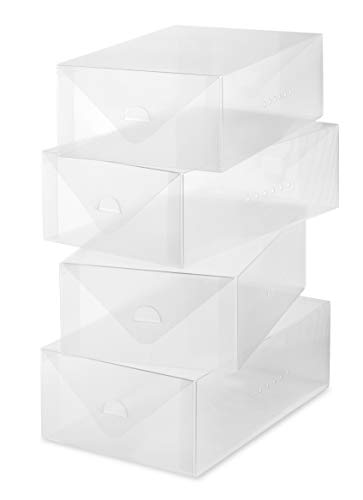
If you have a large collection of stash sweaters that need a home without breaking the bank, these are a solid, no-nonsense choice. They are lightweight and easy to slide onto closet shelves, making them ideal for knitters who rotate their seasonal garments frequently.
Because they aren’t airtight, they are best suited for climate-controlled environments like a bedroom closet. They keep the dust off your sweaters, which is essential for keeping dark-colored wool looking sharp and lint-free.
The bottom line: Use these for your everyday acrylic or superwash wool knits that don’t require high-security storage, but keep your heirloom lace shawls in a more protected environment.
Sterilite Gasket Box Storage: Best Sealed Option

The gasket seal on these bins is remarkably robust, effectively mimicking the protection of a high-end container at a more accessible price point. They are particularly effective at keeping out silverfish and other pests that thrive in dark, quiet corners.
I recommend these for knitters who live in humid climates where mildew is a constant threat to natural fibers. The latching mechanism is secure enough to prevent accidental openings, yet simple enough to operate when you need to grab your favorite sweater on a chilly morning.
The bottom line: These are the perfect middle ground between high-end professional storage and basic plastic bins, offering excellent sealing performance for your woolly treasures.
Richards Homewares Cedar Chests: Best Natural Choice

Cedar has a long-standing reputation in the knitting community for its natural ability to repel moths and provide a pleasant, earthy scent. These chests offer a beautiful, breathable alternative to plastic that allows your fibers to "breathe" while keeping them protected.
However, remember that cedar’s potency fades over time; you will need to lightly sand the wood every year to refresh the oils. Because they are solid, they are also excellent for hiding away bulky items like heavy aran-weight blankets or wool-filled pillows.
The bottom line: If you prefer natural materials over plastic, cedar is the traditional way to go, but stay vigilant about refreshing the wood to maintain its effectiveness.
Household Essentials Sweater Box: Best Soft-Sided

Soft-sided storage is a lifesaver when you are short on space, as these boxes can be tucked into tight corners or under a bed. They are generally breathable, which is fantastic for preventing the musty odors that can sometimes develop in plastic bins.
Because they lack a rigid frame, you must be careful not to overstuff them, or your sweaters will end up with deep, set-in creases. I suggest using acid-free tissue paper between layers to help maintain the structure of your garments while they are tucked away.
The bottom line: These are excellent for temporary seasonal storage in a clean, dry closet, provided you treat them with a bit of extra care during the packing process.
Iris USA Airtight Storage Bins: Best Stackable Set

The primary advantage of the Iris bins is their modular design, which allows you to create a stable, vertical tower of storage. This is a game-changer for knitters with limited floor space who need to maximize their vertical storage capacity.
The airtight seal is reliable, and the plastic is high-quality enough that it doesn’t become brittle over time. If you have a large collection of hand-knit socks or hats, these smaller sizes are perfect for keeping them organized by weight or fiber content.
The bottom line: If you are looking to build a dedicated "knitwear library" in your closet, these stackable bins offer the best organization and space-saving capabilities.
How to Prep Your Handknits for Long-Term Storage
Before you put anything into a box, you must ensure it is clean; even invisible body oils or food particles can attract pests. Always wash your knits according to the fiber’s specific needs—using a gentle wool wash—and ensure they are 100% dry before packing.
- Cleanliness: Never store a sweater that has been worn, even once.
- Blocking: Ensure the item is blocked to its correct shape so it emerges ready to wear.
- Folding: Fold along natural seams to avoid creating permanent creases in the middle of a cable or lace pattern.
The bottom line: Taking the time to wash and properly fold your knits before storage is the single most effective step you can take to prevent long-term damage.
Why Breathable Storage Matters for Natural Fibers
Natural fibers like wool, alpaca, and mohair are proteins, and they need to interact with the air to maintain their integrity. If you trap them in a completely non-breathable container for years, you risk trapping residual moisture, which can lead to mold or mildew.
If you choose a non-breathable plastic bin, I highly recommend adding a small packet of silica gel to absorb any stray humidity. However, if your storage space is consistently dry, a breathable container—like a cotton bag or a cedar chest—is often the safer, more "natural" choice for your fibers.
The bottom line: Balance is key; you want to keep pests and dust out, but you don’t want to suffocate your fibers to the point of moisture buildup.
Preventing Moth and Pest Damage in Knitwear Stacks
Moths are the bane of every knitter’s existence, and they are particularly attracted to the scent of lanolin and human oils. If you are storing your items for the long term, adding a natural deterrent like dried lavender or cedar blocks is a smart, non-toxic strategy.
Avoid using chemical mothballs if possible; they leave behind a persistent, unpleasant odor that is notoriously difficult to remove from wool. Instead, focus on creating a physical barrier that is difficult for insects to penetrate, and inspect your stash at least once every six months.
The bottom line: Physical exclusion is your best defense against pests; keep your containers sealed tight and store your knits in a cool, dark, and clean environment.
Essential Tips for Organizing Your Seasonal Knits
Organizing by weight is a great way to keep your stash accessible; keep your heavy wool sweaters in one section and your lighter, cotton-blend garments in another. This makes the transition between seasons much smoother when the first frost hits.
Labeling is also non-negotiable; you think you will remember what is in that bottom bin, but six months later, you won’t. Use tags to note the fiber content, the date it was last washed, and whether it needs any minor repairs like a loose end that needs weaving in.
The bottom line: A well-organized storage system isn’t just about protection; it’s about making your hand-knit wardrobe a joy to access year-round.
Investing in quality storage for your knitwear is an act of respect for the time and skill you poured into every stitch. Whether you choose the airtight reliability of a plastic tote or the natural protection of cedar, your goal is to create a stable environment that keeps your fibers happy. By cleaning, folding, and storing your knits with care, you ensure that your favorite pieces remain heirloom-quality for years to come. Happy knitting, and here is to keeping your handmade wardrobe safe and beautiful.