6 Best Sweater Stones For Fabric Care To Try
Keep your knits looking pristine with our top 6 sweater stones. Learn how these essential tools remove pilling and restore fabric texture with ease and care.
After spending two decades watching beautiful hand-knit sweaters succumb to the inevitable friction of daily wear, I’ve learned that pilling is simply part of the fiber arts lifecycle. A high-quality sweater stone is your most effective defense against those unsightly bobbles that gather under the arms and along the sleeves. By gently lifting loose fibers away from the garment’s surface, these tools restore that fresh-off-the-needles look without damaging the integrity of your hard work. Choosing the right tool depends entirely on your fiber choice, from delicate cashmere to robust, rustic highland wool.
The Laundress Sweater Stone: Best Overall Choice
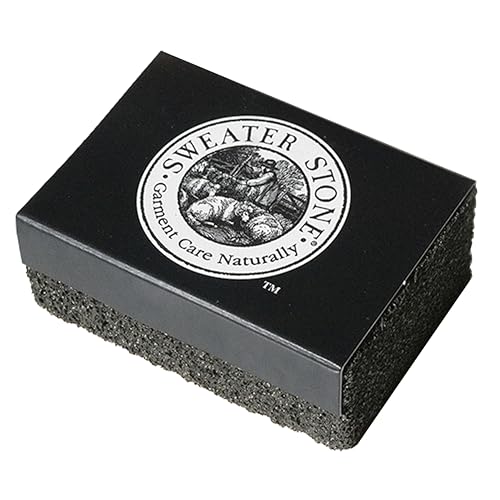

This stone is the gold standard for a reason: it strikes the perfect balance between abrasive effectiveness and gentle fiber management. It is designed specifically to grab onto those tiny, nuisance pills without pulling at the structural ply of your yarn.
When you’re working with high-end, long-staple fibers like Merino or Cashmere, you need a tool that doesn’t snag. The Laundress stone glides across the surface, effectively "shaving" away the fuzz while leaving the main strand of the yarn undisturbed.
It’s an excellent investment for anyone who spends weeks on a single garment and wants to ensure it survives years of rotation. Just remember to use light pressure; you aren’t sanding wood, you’re grooming wool.
Gleener Fabric Shaver and Sweater Stone Set

If you have a mixed wardrobe containing both delicate hand-knits and mass-produced synthetic blends, this set offers the versatility you need. It combines a traditional stone with a mechanical shaver, allowing you to choose the best tool for the specific fiber content.
The stone component is excellent for natural, lofty fibers where you want to maintain a bit of the yarn’s original "bloom." Meanwhile, the mechanical shaver heads are superior for tighter, commercially spun yarns that tend to create hard, stubborn pills.
The trade-off here is the learning curve, as you must correctly identify your fiber type before choosing an attachment. If you’re unsure, always start with the stone on a hidden seam to test how your yarn reacts.
Dritz Clothing Care Sweater Stone for Pills

This is a no-frills, utilitarian option that gets the job done without any unnecessary aesthetic bells and whistles. It’s perfect for the knitter who wants a reliable tool to keep in their project bag alongside their measuring tape and tapestry needles.
Because it is a straightforward pumice block, it excels at handling rustic, high-twist wools that are prone to surface fuzz. It’s particularly effective on heavy-gauge sweaters where the yarn has a bit more "grip" and durability.
Be aware that because it is a natural stone, it will shed a fine dust as it wears down. Keep a lint roller or a damp cloth nearby to wipe away the residue immediately after grooming your knitwear.
Merchant & Mills Natural Pumice Sweater Stone
Merchant & Mills is known for their focus on quality craftsmanship, and their pumice stone is no exception. This stone feels substantial in the hand, providing the tactile feedback you need to feel exactly how much fiber you are removing.
It is an ideal choice for the purist who prefers natural tools over plastic-heavy alternatives. The porous surface is consistent, ensuring that you don’t get uneven wear patterns that could lead to snagging or pulling on your delicate stitches.
If you are working with a project made from natural fibers like wool or alpaca, this stone will help you maintain that organic, soft hand-feel. It’s a beautiful, functional tool that respects the integrity of natural textiles.
Cocoknits Fabric Comb: A Gentle Alternative

While technically not a "stone," this comb is a staple in the kits of many professional knitters I know. It is significantly gentler than a pumice block, making it the superior choice for fragile fibers like mohair or silk blends.
Instead of pulling at the fibers, the fine teeth of the comb act like a hairbrush, untangling the pills and lifting them away from the base of the fabric. It is virtually impossible to "over-groom" a garment with this tool, which is a major safety net for beginners.
If you’ve invested in expensive, hand-dyed yarn, this is the tool I recommend to protect your investment. It’s slow and steady, but it keeps your stitches looking crisp without the risk of thinning the fabric.
Cedar & Sage Natural Pumice Stone for Knits
This stone is specifically marketed for the knitter who values a holistic approach to garment care. It is a dense, high-quality pumice that works exceptionally well on dense, tightly knit garments like cabled sweaters.
Because it is quite firm, it is best suited for wools that have been felted or are naturally very sturdy. It can be a bit too aggressive for loose, airy lace shawls, so use it with a discerning eye.
The natural texture of the stone provides a satisfying, rhythmic experience that pairs well with the slow craft of knitting. It’s a great way to perform a "spa day" on your favorite winter sweaters before putting them into storage for the season.
How to Properly Use a Sweater Stone on Wool
Always start by laying your garment flat on a hard, even surface, like a blocking mat or a clean tabletop. Never try to use a stone while wearing the sweater, as you won’t be able to achieve the necessary tension to get a clean removal.
Work in small, unidirectional strokes, moving from the top of the garment toward the hem. Think of it like brushing your hair; you want to follow the direction of the fiber, not fight against it.
If you find that the stone is catching on a stitch, stop immediately. You may have a loose end or a snagged strand that needs to be pulled through to the wrong side with a crochet hook rather than being cut away by the stone.
Understanding Fiber Types and Pilling Risks
Pilling is a natural byproduct of friction, but certain fibers are more prone to it than others. Understanding these properties will help you anticipate how often you’ll need to reach for your stone:
- Superwash Wool: Often pills more than untreated wool because the scales have been removed, making the fibers slicker and more prone to migrating.
- Cashmere: Extremely soft and delicate; it will pill with almost any friction, requiring very gentle care.
- High-Twist Yarns: Generally pill less because the fibers are locked tightly into the ply.
- Synthetic Blends: Often create very small, tight pills that are difficult to remove without a sharp edge.
Always remember that pilling is not necessarily a sign of "bad" yarn. It is often a sign of a soft, luxurious yarn that is doing exactly what it is designed to do: feel wonderful against your skin.
Maintenance Tips for Your Sweater Care Tools
Your sweater stone is a tool that requires its own kind of maintenance to remain effective. Over time, the pores of the stone will become clogged with lint and fiber dust, which reduces its ability to grab onto new pills.
To clean your stone, simply use a stiff-bristled brush to scrub the surface, or gently tap it against a hard edge to dislodge the trapped debris. If you are using a synthetic shaver, make sure to empty the lint reservoir after every single use to keep the motor running efficiently.
Store your tools in a cool, dry place away from direct sunlight. If you keep them in your project bag, ensure they aren’t bumping against sharp needle tips, which could chip the surface of a pumice stone.
Frequently Asked Questions About Fabric Stones
Will a sweater stone make my sweater thinner? If used correctly, no. You are only removing loose, detached fibers that are already sitting on the surface of the fabric.
Can I use a stone on a sweater with intricate colorwork? Yes, but proceed with caution. Be careful not to snag the "floats" on the inside of the garment, and focus only on the surface of the stitches.
How often should I stone my sweaters? Only as needed. Over-grooming can lead to unnecessary wear, so wait until the pills are visible and bothersome before reaching for your stone.
Caring for your hand-knits is the final, essential step in the knitting process, ensuring that your hard work remains a staple in your wardrobe for years. Whether you choose the reliable grit of a natural pumice stone or the delicate precision of a fabric comb, the key is patience and a gentle touch. By integrating these tools into your routine, you’ll keep your favorite sweaters looking as vibrant and soft as the day you bound off the last stitch. Happy knitting, and even happier wearing.