7 Best Spinning Wheel Bobbin Racks For Organization
Keep your spinning fiber organized with our top 7 bobbin rack picks. Discover durable, space-saving solutions to streamline your yarn production efficiently.
Organizing your handspun yarn is just as vital as mastering your drafting technique or maintaining your wheel’s drive band. A high-quality bobbin rack, or Lazy Kate, transforms the chaotic process of plying into a smooth, rhythm-driven experience. Without one, you risk uneven tension, tangles, and the frustration of bobbins rolling across your floor. Finding the right tool for your setup is the difference between a relaxing afternoon of spinning and a fight against your own yarn.
Ashford Traditional Lazy Kate: Best Overall Choice


The Ashford Traditional Lazy Kate is a staple in many studios for a reason: it is simple, sturdy, and does exactly what it promises. It features a straightforward wooden frame that holds three bobbins, allowing for a standard three-ply yarn without unnecessary bells and whistles.
If you are a beginner who just wants to get the job done without overthinking your equipment, this is your go-to. It is lightweight enough to move around your craft room but heavy enough to stay put while you ply.
The primary tradeoff here is the lack of a tensioning system. You are relying on the natural friction of the bobbin against the frame, which can lead to over-spinning if you aren’t careful. For most standard wool projects, it works perfectly, but it might struggle with very slick silk or slippery synthetic blends.
Kromski Spinning Wheel Bobbin Rack: Top Pick
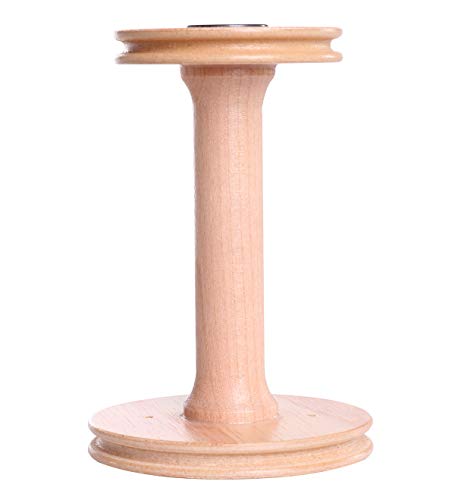
Kromski’s design philosophy shines through in their bobbin rack, which is as aesthetically pleasing as it is functional. It features a beautiful, polished wood finish that matches their iconic wheels, making it a lovely addition to any dedicated spinning space.
This rack is particularly effective because of its versatility in bobbin size. Whether you are using standard bobbins or the larger jumbo bobbins for bulky art yarns, the rack accommodates them with ease.
While it is a fantastic piece of equipment, remember that it is designed primarily for the Kromski ecosystem. While it can hold other bobbins, it performs best when paired with its brand-matched counterparts. It is an investment in both utility and studio style.
Schacht Matchless Lazy Kate: Best Premium Option
If you have invested in a top-tier wheel like the Matchless, you need a bobbin rack that matches its precision engineering. This rack is built to last a lifetime, featuring a robust construction that prevents any wobbling during high-speed plying.
The true beauty of this rack lies in the adjustability of its components. You can fine-tune the placement of your bobbins to ensure the yarn feeds off at the perfect angle, which is critical when working with delicate fibers like cashmere or fine merino.
The premium price point is the obvious barrier here, but consider the cost of frustration. If you spend hours spinning a lace-weight yarn, you don’t want a cheap rack causing uneven tension that ruins your final ply. Buy this if you are committed to serious, long-term fiber production.
SpinOlution Bobbin Rack: Best For Large Capacity
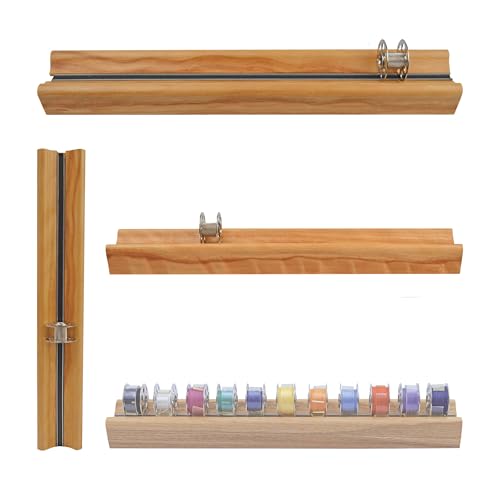
SpinOlution is well-known for their high-capacity wheels, and their bobbin rack follows suit. If you are a production spinner who likes to ply from four or more bobbins at once, this is the only logical choice.
The rack is designed to handle the sheer volume of yarn that comes off a large-capacity bobbin. It is incredibly stable, which is necessary when you are dealing with the weight of several full bobbins of singles.
The tradeoff is the footprint; this is not a tool for a small apartment corner. It is a large, specialized piece of equipment that demands its own space. If your goal is to spin massive quantities of yarn for large-scale weaving or knitting, this capacity is unmatched.
Louet Vertical Lazy Kate: Best Space-Saving Tool

Vertical racks are a game-changer for those of us working in limited spaces. By stacking the bobbins vertically, the Louet rack minimizes the surface area required on your table or floor.
This design is surprisingly stable, provided you are working on a level surface. It is perfect for those who like to spin in their living room and need to pack their gear away into a closet when the day is done.
Be mindful that vertical feeding can sometimes create a different tension dynamic than horizontal feeding. You may need to experiment with your drafting speed to ensure the yarn doesn’t "jump" off the bobbin. It is a small learning curve for a massive gain in floor space.
Hansen Crafts Tensioned Kate: Best For Plying
Hansen Crafts has mastered the art of the tensioned rack, which is essential for consistent plying. A tensioned kate uses a brake system, much like your wheel, to prevent the bobbins from spinning freely and creating a tangled mess.
If you struggle with "pigtails" or uneven ply in your finished yarn, the culprit is often a lack of tension during the plying process. This rack allows you to dial in the exact resistance you need for your specific fiber type.
This is a precision tool for the discerning spinner. While it requires a bit of mechanical setup, the resulting yarn quality is vastly superior. It is an essential upgrade for anyone moving from basic spinning to professional-level yarn design.
Majacraft Tensioned Lazy Kate: Best For Precision
Majacraft users swear by this rack for its ability to integrate seamlessly with their wheel’s tensioning logic. It is built with the same high-quality materials and attention to detail that defines their entire product line.
The tensioning mechanism is smooth and highly responsive. Whether you are plying a sticky, high-twist mohair or a soft, lofty alpaca, you can adjust the drag to prevent over-twisting.
The main takeaway here is compatibility. While it is a precision instrument, it is optimized for the Majacraft system. If you already own a Majacraft wheel, don’t waste time looking elsewhere; this is the logical extension of your current setup.
How To Choose A Bobbin Rack For Your Spinning Setup
When selecting a rack, start by looking at your current wheel. If your wheel uses a specific bobbin size or axle type, you need a rack that accommodates that geometry without requiring DIY modifications.
- Capacity: How many plies do you typically spin? A 3-bobbin rack is standard, but 4+ is necessary for complex cabled yarns.
- Footprint: Measure your available space; don’t buy a production-sized rack if you only have a small side table.
- Tensioning: Do you frequently struggle with tangled yarn during plying? If so, prioritize a tensioned model.
Ultimately, your choice should be dictated by your project goals. If you are a casual spinner, a simple wooden rack is fine. If you are a serious fiber artist, the investment in a tensioned system will pay for itself in the quality of your yarn.
Tensioned Versus Untensioned Racks: Key Differences
An untensioned rack is essentially a holder; it keeps your bobbins upright but offers no resistance. These are ideal for beginners because they are simple, affordable, and easy to understand.
A tensioned rack, conversely, acts as a secondary brake system for your bobbins. It prevents the bobbins from over-spinning when you stop drafting, which is the primary cause of yarn tangles and uneven ply.
Choose tensioned if you are working with slippery fibers like silk or rayon, or if you are spinning very fine, high-twist yarns. If you are sticking to sturdy, rustic wools, you can likely get away with a simpler untensioned model for years.
Essential Tips For Organizing Your Spinning Fibers
Organization in the spinning studio goes beyond just the racks. Always label your bobbins with the fiber type, date spun, and estimated WPI (wraps per inch) to keep track of your progress.
Store your bobbins away from direct sunlight to prevent fiber degradation, especially with natural proteins like wool or alpaca. Keep your racks clean and free of dust, as debris can easily transfer onto your yarn and end up in your finished knitwear.
Finally, don’t be afraid to rotate your stock. If you have a bobbin sitting for months, consider plying it up or winding it off into a skein to free up your rack for new projects. Keeping your tools ready for action is the best way to maintain your creative momentum.
Investing in a quality bobbin rack is an act of respect for the time and effort you put into every yard of handspun yarn. Whether you choose a simple wooden frame or a sophisticated tensioned system, the right tool will simplify your plying and elevate your finished projects. Take the time to assess your specific needs, clear some space in your studio, and enjoy the rhythm of a well-organized spinning session. Happy spinning, and may your bobbins always stay perfectly tensioned.