7 Best Storage Bins For Finished Accessories To Organize
Keep your accessories tidy with our top 7 storage bins. Discover durable, stylish options to organize jewelry, scarves, and hats efficiently and clutter-free.
Storing your finished hand-knits is just as critical as choosing the right yarn for your next project. Without proper protection, months of meticulous labor can be undone by moths, moisture, or dust. These storage solutions ensure your heirloom-quality sweaters and intricate lace shawls stay pristine for years. Investing in the right container is the final, essential step in your creative process.
The Container Store Weathertight Totes: Best Overall


These totes are the gold standard because they feature a silicone seal that creates a legitimate barrier against the outside world. When you’ve spent weeks working on a complex brioche scarf, you don’t want it exposed to fluctuating humidity.
The reinforced latches are sturdy enough to handle the weight of heavy wool blankets without popping open. Because they are stackable and transparent, you can easily identify your finished accessories without unsealing every box in your closet.
The primary tradeoff is the price point, which is higher than basic plastic bins. However, for high-end fibers like cashmere or hand-dyed merino, the peace of mind is worth the investment.
Sterilite Gasket Box: Best Moisture Protection
Moisture is the silent enemy of stored textiles, often leading to mildew that can ruin delicate natural fibers. The Sterilite Gasket Box uses a specialized seal to keep damp air out, which is vital if you live in a humid climate.
If you’ve ever pulled a sweater out of storage only to find a faint, musty smell, you know how devastating that can be. These boxes prevent that issue by creating an airtight environment that keeps your fibers dry and fresh.
Be aware that because they are airtight, they are not suitable for items that need to "breathe" over very long periods. Always ensure your finished knits are completely dry before sealing them inside to avoid trapping residual moisture.
Iris USA Plastic Storage Bin: Best Clear Visibility
Sometimes the best storage solution is the one that lets you see exactly what you have at a glance. The Iris USA bins are exceptionally clear, making them perfect for organizing your finished accessory collection by project type or season.
If you have a large collection of hand-knit hats and mittens, you can label these bins by weight or fiber content. Their modular design allows them to stack cleanly, maximizing vertical space in your craft room.
While they lack the heavy-duty gasket seal of other options, they are excellent for dust-free storage in a climate-controlled closet. They are the go-to choice for knitters who rotate their accessories frequently throughout the year.
Whitmor Fabric Storage Cubes: Best Breathability

Natural fibers like wool, alpaca, and mohair need to breathe to maintain their structural integrity and loft. These fabric cubes provide a soft, ventilated environment that prevents the buildup of stale air within the fibers.
They are ideal for storing finished shawls or cowls that you intend to use regularly. Because they are made of fabric, they won’t trap the heat or humidity that can sometimes cause natural fibers to felt or lose their shape.
The main drawback is that they offer zero protection against moths or silverfish. If you choose these, ensure they are stored in a cedar-lined closet or a space that is already pest-resistant.
Sorbus Underbed Storage Bags: Best Space Saver

If your closet is overflowing with finished projects, the space under your bed is prime real estate. These bags are designed to slide easily into that gap, keeping your accessories out of the way but still accessible.
They are particularly useful for storing bulky items like heavy-weight wool sweaters or oversized blankets that don’t fit into standard plastic bins. The soft sides allow for a bit of "squish," which is helpful when you need to fit a few extra items.
Keep in mind that these bags are not as rigid as plastic boxes, so they won’t protect your knits from being crushed. Place your most delicate lace pieces on top to prevent permanent creasing or distortion of the stitch pattern.
Muji Polypropylene Stacking Boxes: Best Minimalist
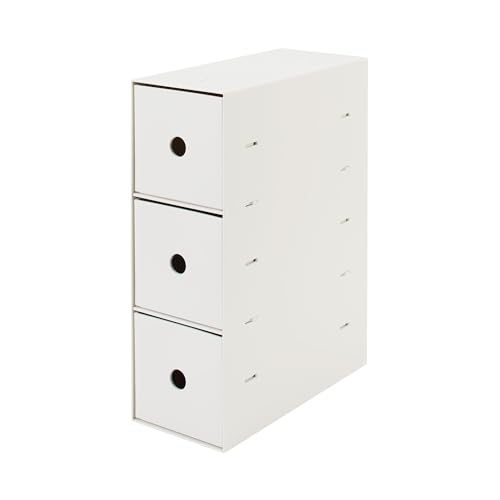
Muji boxes are beloved by makers who value clean, uniform aesthetics in their workspace. These boxes are incredibly durable and fit perfectly into standard shelving units, creating a streamlined look for your collection.
The polypropylene material is inert, meaning it won’t react with your yarn or off-gas chemicals onto your delicate fibers. This is a crucial consideration if you are storing expensive hand-dyed yarns or vintage wools.
They are not airtight, so they are best used in a clean, dust-free environment. They offer a refined way to organize your finished pieces while keeping your studio space looking professional and calm.
Rubbermaid Roughneck Bins: Best Long-Term Storage

If you need to archive your finished work for years, the Rubbermaid Roughneck is the industry leader for durability. These bins are virtually indestructible and can withstand heavy weight and rough handling.
They are an excellent choice for long-term storage in an attic or basement where you need maximum protection from the elements. The thick plastic walls provide a sturdy shield against accidental impacts.
Because they are opaque, you will need to be diligent about labeling. Use a clear, detailed inventory list taped to the outside of the bin so you don’t have to dig through them to find a specific pair of socks.
How to Properly Clean Textiles Before Long Storage
Never store a hand-knit item that hasn’t been laundered, even if it looks clean. Dead skin cells, natural body oils, and invisible sweat residues are magnets for moths and beetles.
Follow the specific care instructions for your fiber, using a gentle wool wash that requires no rinsing. Ensure the item is completely dry—not just surface dry—before packing it away.
- Wool/Alpaca: Hand wash in cool water with a dedicated wool wash.
- Cotton/Linen: Machine wash on a gentle cycle if the yarn label permits.
- Synthetics: Wash as directed, but avoid high heat which can melt fibers.
Why Acid-Free Tissue Paper Prevents Fiber Damage

Acid-free tissue paper is a non-negotiable tool for any serious fiber artist. Regular tissue paper contains acids that can yellow and degrade natural fibers over time, especially when left in contact for years.
When storing garments, use the tissue to pad out the folds of your knits. This prevents sharp creases from forming, which can eventually stress the yarn and lead to thinning or breakage in delicate lace sections.
It also acts as a buffer between different items in the same bin. If you are storing a dark-colored garment next to a light one, the tissue prevents any potential color transfer.
Essential Tips for Preventing Moth and Pest Damage
Moths are the nightmare of every knitter, and they are attracted to the protein found in animal fibers. Prevention is far more effective than trying to treat an infestation once it has started.
Always use cedar blocks or lavender sachets inside your storage containers to deter pests naturally. Avoid mothballs, as their chemical odor is difficult to remove and can be harmful to both you and your fibers.
- Freeze Method: If you suspect a stowaway, place your item in a sealed bag and freeze it for 48 hours.
- Regular Inspection: Check your stored items at least twice a year to ensure everything remains intact.
- Seal Tight: Even a small gap in a bin is enough for a moth to enter and lay eggs.
Storing your finished accessories is a labor of love that protects your time and skill. By choosing the right containers and following these preservation steps, you ensure your work remains beautiful for years to come. Treat your hand-knits with the same care you used to create them. Happy knitting and even happier storing!