7 Best Nylon Sewing Threads For Durability
Discover the 7 top-rated nylon threads for long-lasting projects. This guide highlights superior strength, heat resistance, and versatility for your sewing.
Choosing the right thread is just as critical as selecting the perfect yarn for your project. While we often obsess over fiber content and twist, the structural integrity of your seams depends entirely on the thread you choose. Nylon offers a level of resilience that natural fibers simply cannot match, especially in high-wear areas. This guide breaks down the best nylon options to ensure your hard work stands the test of time.
Gutermann Tera 80: Best Overall Nylon Thread


Gutermann Tera 80 is the gold standard for versatility in the sewing room. It strikes that elusive balance between a fine diameter and incredible tensile strength, making it perfect for light-to-medium weight fabrics.
When you are finishing a project that requires both invisibility and durability, this is your go-to. It behaves beautifully in a sewing machine, rarely causing the tension headaches that plague cheaper, uneven threads.
Because it is so consistent, it doesn’t create the "looping" issues you might see with lower-quality threads. If you are working on a garment that needs to withstand repeated washings, this thread will hold the seams together without adding unnecessary bulk.
Coats & Clark Outdoor Living: Best for Upholstery
When you move from garments to home decor, the requirements for thread change drastically. You need something that can handle the tension of taut fabric and the constant friction of daily use.
Coats & Clark Outdoor Living thread is specifically engineered for this purpose. It is thicker and more robust, designed to resist the sagging that often happens when you use standard thread on cushions or heavy curtains.
Think of this like choosing a sturdier yarn for a rug compared to a delicate lace shawl. You need that extra structural support to ensure the seams don’t pop under pressure. It is a workhorse that won’t let you down.
Sulky Invisible Thread: Best for Delicate Hems

There are moments in sewing—much like in knitting—where you want the construction to disappear entirely. Sulky Invisible Thread is a monofilament nylon that acts like magic for hems or appliqué work.
Because it is essentially a clear, thin strand, it reflects the color of the fabric underneath it. This means you don’t have to worry about color matching when you are working on a project with complex gradients or multi-colored prints.
However, handle it with care; it can be a bit springy on the spool. If you are using it for a blind hem, keep your machine tension slightly lower than usual to prevent the thread from pulling too tight and puckering your fabric.
Bonded Nylon Thread by Tandy: Best for Leather

Working with leather is a different beast entirely, requiring a thread that won’t shred under the pressure of a piercing needle. Bonded nylon from Tandy is designed to stay together even when pulled through dense, resistant materials.
The "bonding" process coats the nylon fibers, preventing them from fraying as they pass through the leather. If you have ever tried to sew leather with standard cotton-wrapped polyester, you know exactly how quickly it can disintegrate.
This thread is stiff, which is actually a benefit here. It keeps your stitches looking uniform and professional, which is vital when you don’t have the luxury of "blocking" leather to hide uneven tension.
Maxima Bonded Nylon: Best for Heavy Duty Sewing

Maxima Bonded Nylon is what you reach for when you are tackling projects like canvas bags, heavy equipment covers, or outdoor gear. It has a high break strength that makes it nearly impossible to snap by hand.
The bonding agent also makes it water-resistant, which is a massive plus for gear that lives outdoors. It doesn’t wick moisture into the seam, helping to prevent the rot that can plague natural fibers in damp conditions.
Just remember that because this thread is so strong, it will likely be stronger than the fabric you are sewing. If your project faces extreme stress, the fabric will tear before the thread does, so choose your base material accordingly.
Coats Nylbond: Best for High-Stress Seams
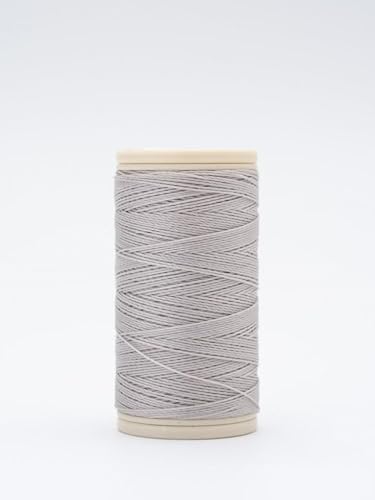
Coats Nylbond is a bonded nylon that feels almost like a cord. It is specifically designed for seams that take a lot of physical abuse, such as the inseams of denim jeans or the straps of a heavy tote bag.
It is incredibly smooth, which helps it slide through the needle eye and the fabric layers without snagging. This smoothness is key to achieving a professional, clean stitch line that doesn’t look "chewed up."
If you are a knitter who also sews, think of this as the "worsted weight" of the thread world—it provides a substantial, reliable foundation. It is the thread you want when you know the item is going to be used and abused.
YLI Nylon Monofilament: Best for Quilting Work

Quilters often need a thread that can blend into a complex pattern without distracting from the piecing. YLI Nylon Monofilament is a top-tier choice for machine quilting because it is exceptionally soft compared to other monofilaments.
It doesn’t have that "fishing line" feel that makes other clear threads stiff and uncomfortable against the skin. This makes it ideal for quilts that are meant to be used on a bed rather than just hung on a wall.
It also stands up well to the heat of an iron, provided you use a moderate setting. Always test a scrap piece first, but generally, this thread is far more heat-tolerant than the cheap monofilaments you might find in a bargain bin.
How to Choose the Right Nylon Thread Weight
Selecting the right weight is a balancing act between the thickness of your fabric and the size of your needle. A thread that is too thick will cause your fabric to pucker, while a thread that is too thin will look lost in the seam.
- Lightweight (Tex 20-40): Best for silks, lightweight cottons, and delicate hems.
- Medium-Weight (Tex 60-80): The standard for most garments and general sewing tasks.
- Heavy-Duty (Tex 90+): Required for leather, upholstery, and heavy-duty canvas.
Always match your needle size to the thread weight. If you are using a heavy bonded nylon, you need a larger needle eye to allow the thread to pass through freely without friction, which can cause the thread to overheat and snap.
Bonded vs. Non-Bonded Nylon: Key Differences
The primary difference lies in the manufacturing process. Bonded nylon is treated with a resin that "glues" the individual filaments together, creating a smooth, round, and highly durable strand that resists fraying.
Non-bonded nylon is essentially a collection of loose filaments twisted together. It is softer and more flexible, which makes it excellent for embroidery or delicate decorative work where you don’t need extreme structural strength.
Choose bonded nylon when you need the seam to be the strongest part of the item. Choose non-bonded nylon when you prioritize drape, flexibility, or a softer hand-feel in your final project.
Tips for Preventing Thread Snags and Tangles
Nylon can be slippery, which is both a blessing and a curse. If your thread is constantly jumping off the spool, use a thread net to keep it contained and provide a bit of gentle tension.
If you find that your thread is tangling as it feeds into the machine, check your spool pin orientation. Some threads prefer to unwind off the side of the spool, while others prefer to pull off the top—experiment to see what your machine likes best.
Finally, keep your thread clean. Dust and lint are the enemies of smooth sewing; store your spools in a closed container or a drawer to ensure they stay pristine until you are ready to start your next project.
Mastering the use of nylon thread will elevate the durability of your handmade goods significantly. Whether you are reinforcing a leather bag or hemming a delicate skirt, the right choice makes all the difference in the longevity of your work. Take the time to test your thread tension on scrap fabric, and your seams will thank you for years to come. Happy sewing!