7 Best Knitting Machine Oilers for Precision Maintenance
Keep your knitting machine running smoothly with our top 7 oiler picks. Discover precision tools designed to extend equipment life and ensure peak performance.
A knitting machine is a marvel of mechanical precision, yet it is only as reliable as the maintenance you provide. Without consistent lubrication, the friction between needles and the needle bed will inevitably lead to dropped stitches and sluggish carriage movement. Choosing the right oil preserves your machine’s delicate components and ensures your hand-knitted fabrics remain pristine. This guide explores the best oils to keep your equipment running smoothly for years to come.
Singer All-Purpose Machine Oil: Best Overall Choice
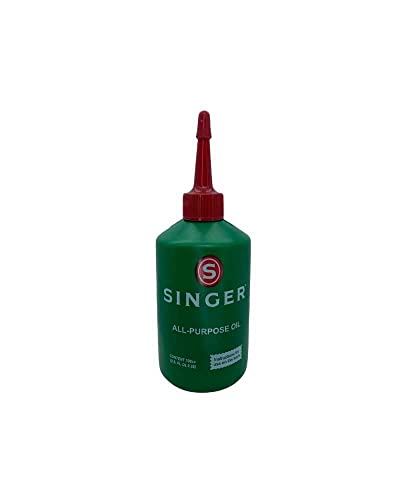

If you are looking for a reliable, no-nonsense lubricant, this is the industry standard for a reason. It is a light, non-gumming oil that flows easily into the tight tolerances of a knitting machine needle bed.
Because it is widely available and affordable, it is perfect for knitters who perform frequent, light maintenance. It doesn’t leave a heavy residue, which is vital when you are working with delicate fibers like lace-weight mohair or fine silk.
The trade-off here is that it is a mineral-based oil, meaning it may require more frequent reapplication than modern synthetics. However, for the vast majority of standard knitting projects, Singer All-Purpose oil is the safest, most dependable choice for your machine’s health.
Zoom-Spout Turbine Oil: Best for Precision Reach

Nothing is more frustrating than trying to oil a recessed carriage mechanism without making a mess on the needle bed. The Zoom-Spout container features an extendable, flexible tube that acts like a surgical tool for your machine.
This oil is incredibly thin and refined, making it ideal for the high-speed movement of a carriage during a long day of knitting sweaters. It penetrates deep into internal gears and levers where standard bottles simply cannot reach.
While the packaging is the star here, the quality of the turbine oil itself is top-tier. It is designed to resist oxidation, ensuring it won’t break down into a sticky sludge over time. Use this if you struggle with tight, hard-to-reach machine parts.
Liberty Oil Synthetic Blend: Best for Long Wear

Synthetic lubricants have changed the game for machine maintenance by lasting significantly longer than traditional mineral oils. Liberty Oil is a high-performance blend that stays exactly where you put it, even under the heat of a heavy production run.
If you are a prolific knitter who spends hours producing yardage for blankets or multiple garments, you need an oil that won’t evaporate. This blend creates a protective film that reduces metal-on-metal wear during the constant back-and-forth of the carriage.
Be aware that because it is a high-viscosity synthetic, a little goes a very long way. Over-oiling can lead to "flying" oil droplets, which are the enemy of your finished projects. Apply this sparingly to key friction points for long-lasting protection.
Super Lube 51010 Oil: Best for Plastic Components
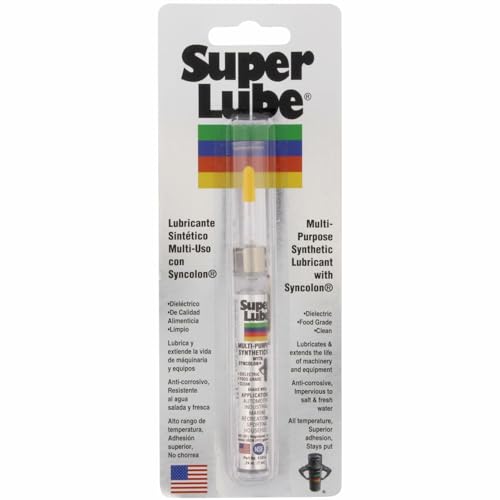
Many modern knitting machines, especially those designed for hobbyists, utilize plastic cams and selectors that can react poorly to harsh chemicals. Super Lube is a synthetic, food-grade oil that is completely plastic-safe and non-toxic.
This is an excellent option if you are concerned about the chemical interaction between your lubricant and the machine’s synthetic parts. It is clean, clear, and does not have the strong odor associated with traditional machine oils.
Some knitters find it slightly thicker than specialized turbine oils, but its versatility makes it a staple in any fiber arts toolkit. Choose this if your machine has significant plastic housing or internal components.
Brother Knitting Machine Oil: Best for OEM Specs
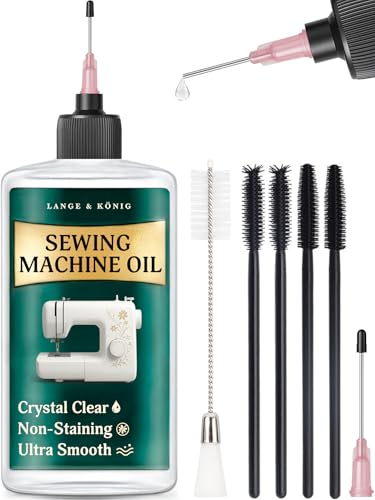
When in doubt, sticking to the manufacturer’s original recommendation is the safest path for your machine’s longevity. Brother machines were engineered with specific tolerances in mind, and their proprietary oil is formulated to match those exact requirements.
This oil is perfectly balanced to provide enough lubrication for smooth carriage operation without attracting excessive dust or lint. It is specifically designed to prevent the "gumming up" that happens when fibers mix with old lubricant.
While it can be harder to source than generic oils, it offers peace of mind for those with vintage or high-end Brother machines. Stick with this if you want to ensure your machine adheres to its original factory performance specs.
Tri-Flow Superior Lubricant: Best for Deep Cleaning
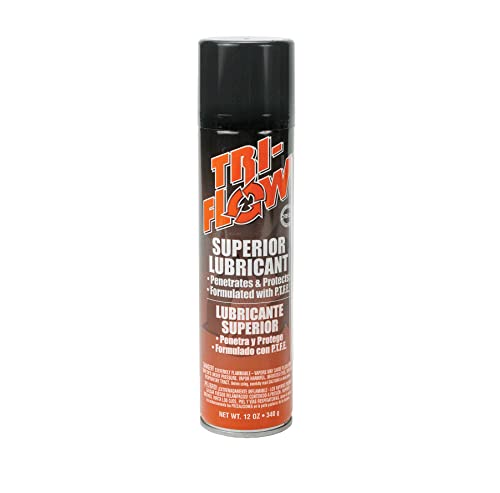
Tri-Flow is unique because it contains cleaning agents alongside high-grade lubricants. If you have recently acquired a vintage machine that has been sitting in an attic, this is the product to use for its first deep cleaning.
It works by displacing old, dried-up grease and grime, allowing you to wipe away years of neglect. Once the cleaning agents evaporate, they leave behind a thin, high-performance lubricant that protects the metal.
Use caution, however; it is a very powerful solvent. You should always follow up with a light, non-cleaning oil if you plan to store the machine for long periods. Use Tri-Flow to restore neglected machines, but use it judiciously.
Hoppe’s No. 9 Lubricating Oil: Best for Metal Parts
Originally designed for firearms, this oil is legendary for its ability to protect metal surfaces from rust and corrosion. If your machine lives in a basement or a humid climate, this oil provides an extra layer of defense for your needle beds.
It is highly refined and has excellent flow properties, making it very effective for the individual needles in your machine. It ensures that each needle slides smoothly through the needle bed slots without catching or binding.
Because it is a heavier-duty oil, be extra careful to wipe away any excess before you begin knitting. This is your best defense against humidity and rust on metal needle beds.
Why Proper Lubrication Extends Machine Lifespan
Knitting machines operate on tight tolerances where even a microscopic amount of friction can cause a catastrophic failure. When needles move through the bed thousands of times per project, the heat generated can cause metal expansion and wear.
Proper lubrication creates a microscopic barrier that prevents metal-to-metal contact. Without this film, the needle bed slots become scored and rough, which will eventually shred your yarn and lead to uneven stitch tension.
Regular maintenance also keeps the carriage moving with minimal resistance. This reduces the physical strain on your arms and shoulders, allowing you to knit for longer periods without fatigue. A well-oiled machine is a quiet, smooth, and long-lasting machine.
How to Apply Oil Without Staining Your Yarn Fiber
The biggest fear for any knitter is getting a drop of oil on a pristine skein of wool or alpaca. The secret to clean maintenance is the "less is more" philosophy; one small drop is almost always enough for a needle bed section.
Always apply the oil to the machine, never to the needles directly, and allow it to sit for a few minutes. After applying, run an empty carriage back and forth across the bed several times to distribute the lubricant evenly.
Finally, take a clean, lint-free cloth and wipe down the surfaces where the yarn will pass. If you accidentally apply too much, use a soft cotton swab to soak up the excess before you cast on your project. Always perform a "test pass" with waste yarn to ensure no oil residue remains.
Essential Maintenance Tips for Knitting Machines
- Clean before you oil: Always remove lint and dust first, as oil mixed with lint creates an abrasive paste.
- Use the right applicator: Use needle-tip bottles or precision droppers to keep the oil where it belongs.
- Establish a schedule: Oil your machine after every few major projects or if you notice the carriage feeling "gritty."
- Check for rust: In humid environments, wipe down your needle beds with a light oil coating even if the machine is not in use.
- Listen to your machine: A machine that is "talking" to you with squeaks or clicks is telling you it needs attention immediately.
Maintaining your knitting machine is just as much a part of the craft as tensioning your yarn or choosing the right fiber. By selecting the correct oil and applying it with precision, you protect your investment and ensure every stitch is formed perfectly. Treat your machine with care, and it will reward you with decades of beautiful, consistent fabric. Happy knitting!