6 Best Sock Blockers For Perfect Shaping Worth Having
Discover the 6 best sock blockers to achieve professional shaping. This guide highlights top materials and designs to ensure your handmade socks fit perfectly.
You’ve spent hours perfecting your heel turns and grafting the toes, only to find your finished socks look a bit lumpy off the needles. A good pair of sock blockers is the secret weapon that transforms a handmade item into a professional-looking accessory. These tools aren’t just for show; they even out your stitches and give your fabric the drape it deserves. Investing in a reliable set is the final, crucial step in your knitting journey.
Knitter’s Pride Adjustable Sock Blockers
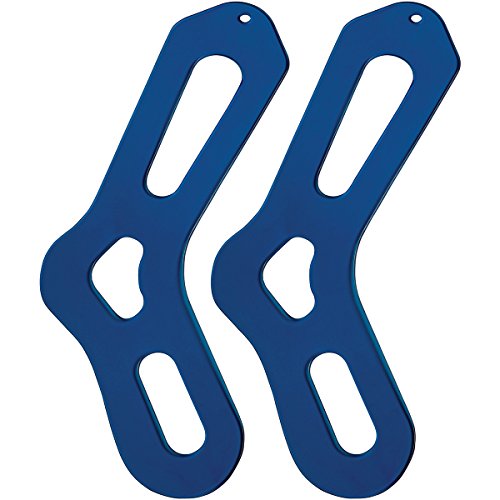

These blockers are a favorite for knitters who frequently switch between different foot sizes. Because they feature an adjustable sliding mechanism, you can customize the length to fit everything from a child’s sock to a large adult size.
The plastic construction is lightweight and smooth, ensuring it won’t snag your delicate hand-dyed wool. However, because they are adjustable, they can sometimes feel slightly less rigid than a solid, one-piece form.
If you knit a variety of sizes for family and friends, versatility is the primary advantage here. You won’t need to store multiple pairs of blockers in your craft closet, which saves significant space.
Koshine Wooden Sock Blockers Set

There is something undeniably satisfying about the tactile nature of wooden blockers. These sets often come with a beautiful, smooth finish that prevents splinters from catching on your yarn.
Wood is an excellent choice for natural fibers like wool or alpaca because it is porous and breathable. This allows the sock to dry more evenly than it would on a non-porous material.
Keep in mind that wooden blockers can warp if they are left in standing water or exposed to extreme humidity. Always ensure your socks are damp, not dripping wet, before sliding them onto these forms to maintain their longevity.
Off-White Metal Wire Sock Blockers
If you prefer a minimalist approach, wire blockers are the industry standard for a reason. They are incredibly thin, which makes them easy to slide into even the tightest-fitting socks without overstretching the fabric.
The open-frame design allows for maximum airflow, meaning your socks will dry faster than on almost any other type of blocker. They are also virtually indestructible compared to wood or plastic.
The main tradeoff is that they can sometimes leave a slight "wire mark" on the fabric if you pull the sock too taut. Use a gentle hand when positioning your stitches to ensure the tension remains even across the entire foot.
ChiaoGoo Stainless Steel Sock Blockers

ChiaoGoo is well-known for precision, and their stainless steel blockers are no exception. They are sleek, sturdy, and designed to last a lifetime without rusting or bending.
These are particularly good if you knit with heavy-duty wool or socks intended for hiking. They provide a firm shape that holds up well, even with thicker, more structured yarn bases.
Because they are metal, they don’t have the "give" of wood. If you have a tendency to knit your socks on the tighter side, be careful not to force the blocker into the foot to avoid distorting your stitch pattern.
Lacis Wooden Sock Blocking Forms
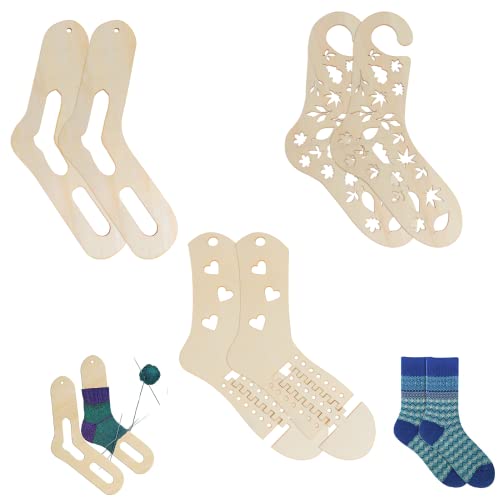
Lacis offers classic, solid-form wooden blockers that feel like a professional tailor’s tool. These are often shaped with a more anatomical curve, which helps in defining the gusset and the heel flap.
They are perfect for knitters who want to display their work for photography or gifts. The solid wood provides a consistent surface that is very easy to pin into if you are blocking intricate lace patterns.
Be aware that these are usually sold in specific sizes rather than adjustable sets. Measure your intended foot size carefully before purchasing to ensure the blocker fits your standard sock dimensions.
Ashford Adjustable Sock Blockers

Ashford is a trusted name in the fiber arts world, and their adjustable blockers are engineered for durability. They feature a robust locking mechanism that holds the desired size firmly in place during the drying process.
These are ideal for knitters who want a "set it and forget it" tool. Once you lock the size, the blocker remains rigid, providing a stable foundation for your damp wool to set into its final shape.
While they are slightly bulkier than wire options, the stability they offer is unmatched. They are a top-tier choice for heavy-weight wools that require a bit more tension to open up the stitch definition.
Why Blocking Your Hand-Knit Socks Matters
Blocking is the process of wetting your finished garment and shaping it to its final dimensions as it dries. For socks, this is the moment where the stitches "relax" and settle into their permanent home.
Without blocking, your knitting may look uneven due to variations in your tension while working the heel or toe. Blocking forces every stitch to align, which creates a cohesive and professional fabric.
It also helps to remove the oils and residues left behind from the manufacturing process of the yarn. Your socks will feel significantly softer and more luxurious after their first bath and block.
Plastic vs. Wood vs. Metal Blocking Tools

Choosing your material depends on your specific knitting habits and the types of yarn you prefer. Each material interacts with moisture and tension differently.
- Wood: Best for natural fibers; absorbs excess moisture; provides a gentle, non-slip surface.
- Metal: Best for speed and durability; allows for maximum airflow; very thin profile.
- Plastic: Best for versatility and affordability; lightweight; easy to clean and store.
If you primarily knit with superwash wool, which tends to grow when wet, metal or plastic is often better as they won’t absorb moisture. Always consider the fiber content when deciding which tool will support your project best.
Essential Tips for Perfect Sock Shaping
Never rush the drying process by using a hairdryer or placing your socks near a direct heat source. Heat can felt certain wools or permanently stretch out fibers, ruining the hard work you put into your gauge.
Instead, gently roll your damp socks in a towel to remove excess water before placing them on the blockers. This prevents the socks from becoming waterlogged, which can lead to sagging or mildew.
If you are blocking socks with colorwork, ensure the colors are colorfast before soaking them. A drop of wool wash in cool water is usually sufficient to refresh the fibers without risking dye bleeding.
How to Care for Your Sock Blocking Tools
To keep your blockers in top shape, always store them in a cool, dry place. If you use wooden blockers, consider a light sanding with fine-grit sandpaper if they ever feel rough to the touch.
For metal blockers, wipe them down with a soft cloth after use to prevent any residue buildup. If you notice any oxidation, a simple vinegar solution can usually restore the shine.
Treat your blockers as an investment in your craft. When properly maintained, a good set of blockers will serve you for hundreds of pairs of socks, ensuring every stitch looks its absolute best.
Choosing the right sock blockers is about balancing your personal aesthetic with the practical needs of your yarn. Whether you prefer the classic feel of wood or the industrial efficiency of metal, the act of blocking is what truly finishes your work. Take your time with this final step, and your socks will not only fit better but look like they came straight from a high-end boutique. Happy knitting, and may your stitches always be even.