7 Best Instruction Books for Chunky Knitting Techniques
Master chunky knitting with our top 7 guidebooks. Learn essential techniques, from yarn selection to finishing, perfect for creating cozy, oversized projects.
Chunky knitting is the instant gratification project every knitter craves when the nights grow long and the stash needs a quick win. While bulky yarns can seem forgiving due to their size, they actually require a refined touch to avoid looking clunky or uneven. Choosing the right guide is essential to mastering the tension and drape that make oversized knits feel luxurious rather than heavy. Here are the seven best instruction books to elevate your super-bulky repertoire.
Chunky Knits by Quail Studio: Best for Beginners
If you are just starting out, you need patterns that emphasize clear stitch definition over complex shaping. Quail Studio excels here by focusing on clean lines and classic silhouettes that don’t overwhelm a novice knitter.
The projects in this book are designed to help you understand how stitches behave when they are scaled up. You will learn the importance of uniform tension, which is often the biggest hurdle when moving from fingering weight to super-bulky yarn.
The trade-off is that these patterns are quite minimalist. If you are looking for intricate cables or complex colorwork, you might find the designs a bit repetitive, but for building foundational confidence, this is the gold standard.
Modern Chunky by Laura Strutt: The Style Guide


This book bridges the gap between traditional knitting and contemporary interior design. Laura Strutt understands that chunky knits are as much about home decor as they are about wearable garments.
The styling is impeccable, showing you how to integrate these large-scale pieces into a modern home without making the space feel cluttered. It teaches you how to balance heavy textures with lighter elements in your living space.
Be aware that some of the home decor projects use roving-style yarns that can be prone to pilling or shedding. Always consider the durability of the yarn you choose for high-traffic items like floor cushions or blankets.
Knitting Without Tears by Elizabeth Zimmermann

While not exclusively about chunky yarn, this classic is the ultimate authority on "knitting to fit" rather than following rigid, soul-crushing patterns. Zimmermann’s philosophy is perfect for bulky projects where gauge can vary wildly between different brands.
She teaches you how to calculate your own gauge and adjust your stitch count accordingly. This is vital when working with super-bulky yarn, as even a half-stitch difference in gauge can result in a garment that is two sizes too big.
The writing is witty and empowering, stripping away the intimidation factor of knitting. If you want to move from being a "pattern follower" to a "knitter," start here.
Big Cotton by Claudia Q: Best for Texture Lovers

Working with cotton is a vastly different experience than working with wool, especially at a chunky gauge. Claudia Q focuses on the unique structural properties of cotton, which is heavier and has less "memory" or elasticity than animal fibers.
This book is a masterclass in selecting the right stitch pattern to support the weight of cotton yarn. You will learn why certain cables or lace motifs work better in cotton than others, preventing your finished garment from stretching out of shape.
Remember that cotton lacks the "bloom" of wool, meaning your stitches will look very defined. If your tension is uneven, it will be immediately visible, so keep a consistent rhythm as you work.
Chunky Knits by Melanie Porter: Design Masterclass
Melanie Porter approaches knitting from a designer’s perspective, treating the yarn as a structural element. This book is for the knitter who wants to create statement pieces that feel like high-end boutique finds.
You will learn how to mix fibers and experiment with scale to create garments that have architectural presence. Porter’s techniques for finishing and seaming are particularly valuable, as heavy knits often sag if they aren’t structured correctly.
This is not a book for a quick weekend project. It requires patience and a willingness to focus on the technical details of construction that elevate a handmade item to a professional level.
The Big Book of Knitting by Katharina Buss

This is the encyclopedia you want on your shelf for reference. When you encounter a specific stitch or technique that you can’t quite get right in a chunky weight, this book provides the technical breakdown you need.
It covers everything from casting on to complex finishing techniques with incredible clarity. The diagrams are some of the best in the industry, making it easy to troubleshoot your work without needing a video tutorial.
Think of this as your knitting insurance policy. It doesn’t provide many "trendy" patterns, but it provides the technical knowledge to fix any project you decide to undertake.
Super Chunky Knits by Lauren Aston: Best Modern

Lauren Aston captures the current trend of "extreme knitting" perfectly. Her designs are youthful, fast, and incredibly satisfying to complete in a single evening.
The book is particularly good at teaching the "super chunky" aesthetic—that oversized, cozy look that is currently dominating social media. She provides great tips on working with roving yarns, which are essentially unspun fibers that require a gentle touch to prevent snapping.
Keep in mind that these projects are very heavy. If you have wrist or shoulder issues, be prepared to take frequent breaks, as the weight of the needles and the yarn can be physically taxing during long sessions.
How to Choose the Right Yarn for Chunky Projects
Choosing the right yarn is the difference between a heirloom piece and a heavy, shapeless mess. When selecting chunky yarn, look at the twist of the ply; a tighter twist will hold up better against friction and pilling.
- Wool: Offers the best elasticity and warmth, perfect for sweaters.
- Acrylic Blends: Often more affordable and easier to wash, but can be prone to static.
- Cotton/Linen: Heavy and cool, best for blankets or structured accessories.
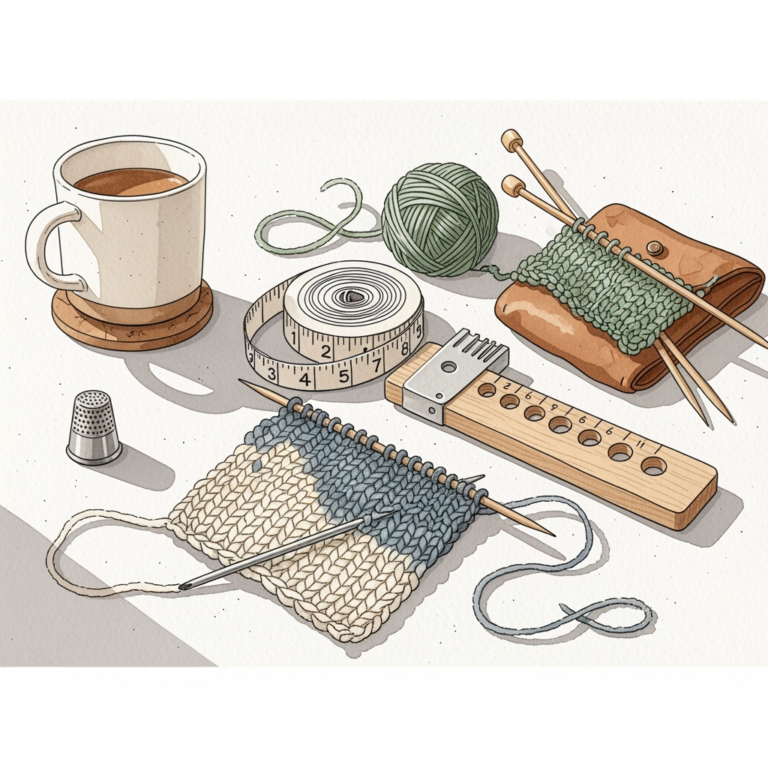
Always check the WPI (wraps per inch) if you are substituting yarn. This simple test involves wrapping your yarn around a ruler to see how many strands fit in an inch, ensuring your substitute matches the weight of the original pattern.
Essential Tools for Working With Bulky Yarns

Using the right needle material is critical when handling bulky weight. For slippery yarns like silk or bamboo blends, choose wooden needles to provide a bit of "grip" so your stitches don’t slide off.
- Circular Needles: Use these even for flat knitting to support the weight of the project in your lap rather than on your wrists.
- Large-Eye Tapestry Needles: Essential for weaving in bulky ends, which are too thick for standard needles.
- Stitch Markers: Use locking markers, as standard rings can get lost or stretched in chunky stitch patterns.
Don’t underestimate the physical toll of large needles. If you are knitting for hours, ergonomic handles can save your hands from cramping.
Troubleshooting Common Chunky Knitting Mistakes
The most common mistake with chunky knitting is "rowing out," where your purl stitches appear looser than your knit stitches. This is often caused by the way you pull the yarn when moving it from the front to the back of the needle.
If you find your edges are uneven, try slipping the first stitch of every row to create a clean, chain-like selvedge. This adds structure to garments that might otherwise look messy at the seams.
Finally, if your project feels too stiff, you are likely knitting too tightly for the needle size. Don’t be afraid to go up a full needle size; the goal is to let the yarn breathe so the fabric can drape naturally.
Mastering chunky knitting is all about balancing the weight of the material with the tension of your hands. By choosing the right reference material and understanding the unique properties of bulky fibers, you can create garments that are both cozy and structurally sound. Take your time, focus on your gauge, and enjoy the speed at which these beautiful, oversized projects come to life. Happy knitting!