7 Best Storage Bins For Scrap Yarn To Organize Stashes
Tame your yarn chaos with our top 7 storage picks. Discover durable, space-saving bins perfect for categorizing scraps and keeping your craft stash tidy.
Every knitter eventually reaches the point where their scrap yarn basket overflows, threatening to take over the entire craft room. Managing these remnants is essential, as a disorganized stash often leads to forgotten treasures that could have been perfect for colorwork heels or stripes. Choosing the right storage solution isn’t just about tidiness; it’s about preserving the integrity of your fibers for future projects. These seven storage options provide the protection and accessibility needed to turn chaos into a curated resource.
The Container Store Weathertight Totes: Best Overall


These totes are the gold standard for long-term stash preservation because of the foam seal lining the lid. When you lock the latches, you create a genuine barrier against the outside world.
For a knitter storing high-end wool or hand-dyed skeins, this is the ultimate peace of mind. You don’t have to worry about the fluctuating humidity of a basement or the dust of an attic affecting your fiber’s natural oils.
The trade-off is the bulk; these aren’t the most flexible containers if you have limited closet shelf space. However, for protecting your investment in high-quality wool, the Weathertight seal is worth every inch of shelf space it occupies.
Sterilite Gasket Box: Best Moisture-Proof Storage
If you live in a region with high humidity, moisture-proof storage is non-negotiable to prevent mildew. The Sterilite Gasket Box features a silicone seal that effectively keeps damp air and pests away from your delicate natural fibers.
I recommend these for knitters who want a balance between cost and high-level protection. They are slightly more affordable than premium brands but offer a comparable level of security for your scrap stash.
Keep in mind that while they are excellent for moisture, they are not immune to heat. Always store these in a climate-controlled area, as extreme temperatures can still degrade the elasticity of your yarn over time.
Iris USA Plastic Storage Bins: Best Stackable Pick

When you are working with a large volume of scrap yarn, vertical space becomes your best friend. The Iris bins are designed to stack securely, meaning you can utilize the full height of your closet without fear of a toppling tower.
These bins are particularly useful for sorting by weight, such as keeping all your fingering-weight scraps in one stack and worsted in another. The clear plastic allows you to see exactly which color palette is inside without having to unstack the entire column.
The only downside is that the plastic can become brittle if overstuffed or dropped. Treat these as a permanent home for your stash rather than a bin you move around the house every day.
InterDesign Linus Clear Bins: Best for Visibility
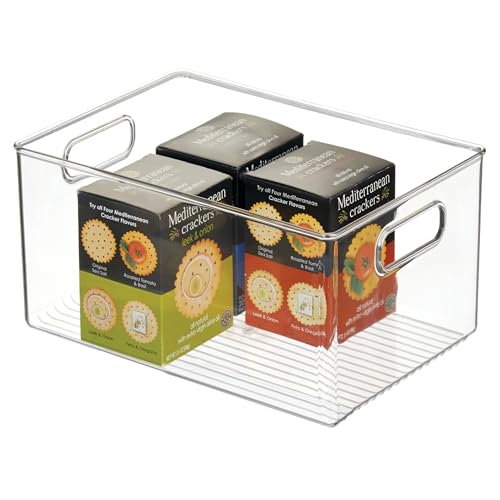
Sometimes, the best storage is the kind that lets you see your yarn at a glance. These clear, open-top bins are perfect for the "active" scrap stash you reach for while working on scrappy socks or colorwork mitts.
Because they lack a lid, they are not ideal for long-term storage where dust might be an issue. However, for a knitter who is currently in the middle of a multi-colored scrap project, the ease of grabbing a specific color is unmatched.
Use these for your "current project" scraps that you want to keep visible and accessible. They turn your yarn stash into an aesthetic display that inspires your next color combination.
IKEA Kuggis Boxes: Best Aesthetic Storage Choice

If your yarn stash lives in your living room rather than a dedicated studio, aesthetics matter. The Kuggis boxes offer a clean, modern look that hides the visual clutter of tangled yarn scraps while fitting perfectly onto standard shelving.
They are made of sturdy, opaque plastic, which is an excellent way to protect yarn from sunlight. UV rays can cause significant fading in hand-dyed yarns over time, so keeping them in an opaque container is a smart, long-term fiber care strategy.

The trade-off is that you cannot see what is inside without opening the lid. I suggest labeling the front of each box with a swatch or a tag so you know exactly what is inside.
Whitmor Fabric Storage Cubes: Best Soft Option

Fabric cubes are a great choice if you have odd-shaped storage spaces or want something that won’t scratch your furniture. They are lightweight, flexible, and can be collapsed when not in use.
However, be aware that fabric cubes offer zero protection against moths or silverfish. If you use these, ensure your stash is already clean and that you are storing them in an area that is not prone to pests.
These are best for synthetic blends or cotton scraps that aren’t as appetizing to wool-eating insects. If you have expensive alpaca or merino, stick to the plastic options mentioned above.
Rubbermaid Cleverstore: Best Durable Clear Bin
The Cleverstore line is built for durability, featuring a reinforced lid and heavy-duty latches that can handle the weight of a heavy stash. If you are the type of knitter who constantly pulls bins out from under a bed or off a high shelf, these are designed to withstand that movement.
The clear design is consistent, but the structural integrity is what sets these apart. They don’t flex or crack easily when you fill them to the brim with dense wool scraps.
These are the "workhorses" of the organization world. If you want one bin that will last for decades, this is the one to invest in.
How to Categorize Your Scrap Yarn by Fiber Type
Categorizing your scraps is the secret to actually using them. I recommend sorting by fiber content first, as you never want to accidentally combine fibers that react differently to blocking or washing.
- Animal Fibers (Wool, Alpaca, Mohair): Keep these together but prioritize moth-proof storage.
- Plant Fibers (Cotton, Linen, Bamboo): These are heavier and less prone to moth damage, so they can be grouped separately.
- Synthetics (Acrylic, Nylon blends): Great for sturdy projects like dishcloths or toys, these can be stored with less worry.
- Luxury Blends (Silk, Cashmere): Keep these in a dedicated, small bin to ensure they aren’t accidentally used for a project that doesn’t match their care requirements.
Why Air-Tight Storage Prevents Moth Infestations
Moths are the silent enemy of every knitter. They are attracted to the keratin in animal fibers, and once they find a stash, they can destroy years of collecting in a matter of weeks.
Air-tight storage is your primary line of defense because it creates a physical barrier that moths cannot bypass. Even if your home has a stray moth, it won’t be able to lay eggs in a bin with a gasket seal.
Always ensure your yarn is clean before sealing it away. Moths are also attracted to human sweat and food particles, so never store a project you’ve been working on for months without washing it first.
Tips for Keeping Your Scrap Stash Neat and Tidy
The biggest mistake knitters make is throwing loose yarn into a bin, which inevitably leads to a "yarn barf" nightmare. Instead, wind your scraps into small center-pull cakes or butterflies before storing them.
If you have very small bits of yarn, use small mesh bags or clear snack-sized pouches to keep them grouped by color. This prevents the "tangle effect" where every strand of yarn in the bin becomes permanently knotted to every other strand.
Finally, periodically audit your stash. If you haven’t used a specific color or texture in three years, consider donating it to a local school or knitting group so it can find a new life.
Organizing your scrap yarn is a labor of love that honors the time and money you’ve invested in your craft. By choosing the right bin and maintaining a consistent sorting system, you ensure that your next project is always just a reach away. Don’t let your scraps become a burden; let them become the colorful foundation of your future masterpieces. Happy knitting, and may your stash always be as organized as your stitches.