6 Best Waxes for Smoothing Yarn Friction to Try
Reduce yarn friction and improve tension with our top six wax picks. Discover the best solutions for smoother, snag-free knitting and weaving projects today.
If you have ever felt your needles drag against a sticky wool or struggled to pull a strand through a tight tension point, you know the frustration of high-friction knitting. Waxing your yarn is an old-school trick that transforms a laborious, squeaky project into a smooth, rhythmic experience. By applying a microscopic layer of lubricant, you can save your hands from fatigue and maintain consistent tension throughout your work. Here are six reliable waxes that will help you glide through your next project with ease.
Dritz Beeswax: Best Overall for Natural Fibers
Dritz Beeswax is a staple in many sewing kits, but it is equally invaluable for knitters working with rustic, high-twist wools. When you are knitting with untreated, "grippy" fibers like Highland wool or unspun lopi, this wax provides the perfect amount of slip without feeling greasy.
It strikes a balance that is hard to find in other brands. It doesn’t flake off into your stitches, which is a major concern for those working on light-colored lace projects.
If you are working on a complex cable sweater, this wax helps the yarn slide over your cable needle without snagging. The bottom line is that it is a dependable, no-nonsense choice for almost any natural fiber project.
Clover Yarn Wax: Best for Synthetic Blends
Clover’s formulation is designed with the modern knitter in mind, specifically those working with acrylic, nylon, or polyester blends. Synthetic fibers can sometimes create a "squeak" against metal needles, which is not just annoying—it can actually cause you to knit tighter as your muscles tense up.
This wax is slightly softer than traditional beeswax, making it easier to apply to slick, plastic-like fibers. It reduces that static electricity buildup that often plagues synthetic yarns during the dry winter months.
It is an excellent choice if you find your needles are "grabbing" the yarn too aggressively. Use this when you need a smooth, consistent glide to keep your gauge from tightening up mid-row.
Bohin Beeswax: Best for Precision Threading
Bohin is known for its high-quality sewing notions, and their beeswax is remarkably refined and clean. Because it is highly purified, it is the best option for delicate work, such as bead knitting or fine lace where any debris could ruin the finished look.
The compact, square shape of the block makes it very easy to hold while drawing your yarn across the surface. It provides a very thin, precise coating that doesn’t build up heavy residue.
If you are working on a project with intricate colorwork or complex stitch patterns, this is your go-to. It won’t darken your yarn or leave behind waxy clumps, ensuring your fine details remain crisp.
Bee Natural Beeswax: Best for Large Projects
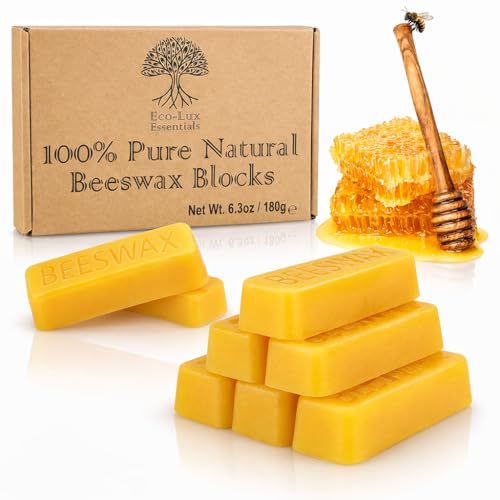

When you are casting on a king-sized blanket or a massive sweater, you need a wax that won’t run out or crumble halfway through. Bee Natural provides a generous, dense block that stands up to the heavy friction of hundreds of yards of yarn.
The wax is harvested with a focus on purity, meaning there is very little chance of getting impurities in your yarn. It is a workhorse product that feels substantial in the hand.
Because of its size, you can easily set it on your project table and pull your yarn across it as you wind your cake. It is the most economical choice for the dedicated maker who always has a large-scale project on the needles.
Singer Beeswax: Best for General Maintenance
Singer has been a household name for generations, and their beeswax is a reliable, accessible option for any knitter’s toolkit. It is widely available and performs consistently across a variety of wools and cottons.
This wax is slightly firmer, which makes it excellent for "tempering" your yarn if you are working with a very soft, splitty fiber. It helps hold the plies together just enough to prevent the dreaded snagging that happens when your needle tip catches a single strand.
It is a solid, middle-of-the-road choice that shouldn’t be overlooked. Keep a block in your notions bag for those moments when a new yarn feels a bit too "thirsty" or abrasive.
Colonial Needle Beeswax: Best for Travel Use

Colonial Needle offers a convenient, portable solution for the knitter who takes their projects everywhere. The packaging is designed to keep the wax contained, so you don’t have to worry about it melting or getting lint stuck to it inside your project bag.
It is small enough to fit into a tiny notions tin, yet it is durable enough to last through several long-term projects. The texture is consistent and smooth, providing a reliable glide even in fluctuating temperatures.
If you are a commuter knitter or someone who knits on airplanes, this is the most practical choice. It offers the performance you need without taking up precious space in your travel kit.
Why Use Wax to Smooth Yarn Friction While Knitting
Friction is the silent enemy of consistent gauge. When your yarn drags against the needle, you are more likely to pull the working yarn tighter, which can lead to uneven stitches and hand cramping.
Waxing acts as a lubricant, allowing the yarn to slide effortlessly over the needle surface. This is particularly important when using wooden needles that have lost their original luster or metal needles that have developed tiny micro-scratches over time.
Beyond just the feel, it can actually help preserve the life of your needles. By reducing the abrasive friction of the yarn fibers, you prevent premature wear on your tools.
How to Properly Apply Wax to Your Knitting Yarn
The secret to waxing yarn is to use a light hand. You do not need to coat the entire length of the yarn; simply run the yarn over the wax block once or twice as you wind it into a ball or as you work from the skein.
Some knitters prefer to place the yarn in the groove of the wax block and pull it through slowly. This ensures an even, thin application without creating a heavy, waxy buildup.
If you find your yarn feels sticky after application, you have used too much. A quick pass is all that is required to improve the glide significantly.
Common Mistakes When Waxing Natural Fiber Yarns
A common mistake is using wax on yarns that are intended to be very "fuzzy" or have a halo, like mohair or angora. Waxing these fibers can mat the halo down, ruining the airy, soft quality of the yarn.
Another mistake is assuming that all waxes are suitable for all fibers. Always test a small swatch first, especially if you are using a hand-dyed yarn that might react poorly to certain types of additives.
Finally, never wax your yarn if you plan to steam-block your project aggressively. The heat can cause the wax to melt and potentially stain the fibers or create an uneven texture in the finished fabric.
Frequently Asked Questions About Yarn Waxing
Will wax ruin my knitting needles? No, most natural beeswax is harmless to wood, bamboo, and metal needles. In fact, it can act as a light polish that keeps wooden needles from drying out.
Does waxing change the color of the yarn? On most wools, the wax is invisible once it is worked into the fabric. However, always be cautious with very light-colored or white luxury fibers, as some waxes can have a slight yellowish tint.
How often do I need to re-apply? You generally only need to wax the yarn once as you wind it. If you are working from a skein, you can wax the yarn periodically as you go, but don’t overdo it.
Incorporating wax into your knitting process is a simple, effective way to improve your technique and comfort. By choosing the right product for your specific fiber and project needs, you can eliminate drag and enjoy a smoother, more rhythmic knitting experience. Take the time to test these options, and you will likely find that your hands feel less fatigued and your stitches look more professional than ever. Happy knitting, and may your yarn always glide with ease.