7 Best Needle Sets for Coarse Wool Varieties
Selecting the right needles for coarse wool is vital. We review seven top sets that offer the durability and grip needed to manage thick, rustic fibers easily.
Working with coarse, rustic wools requires a different approach than handling delicate silks or soft merinos. These fibers often have a high crimp and a sticky, grabby texture that can turn a simple stockinette project into a chore if you are using the wrong tools. Choosing the right needle set can be the difference between a meditative knitting experience and hand fatigue. Here is how to navigate the best needle sets for those rugged, beautiful wools.
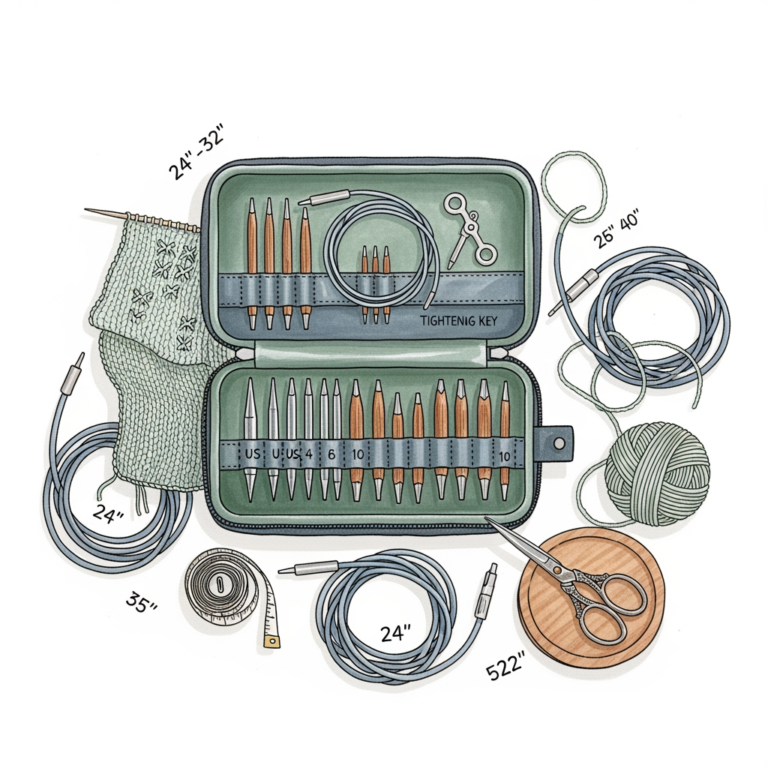
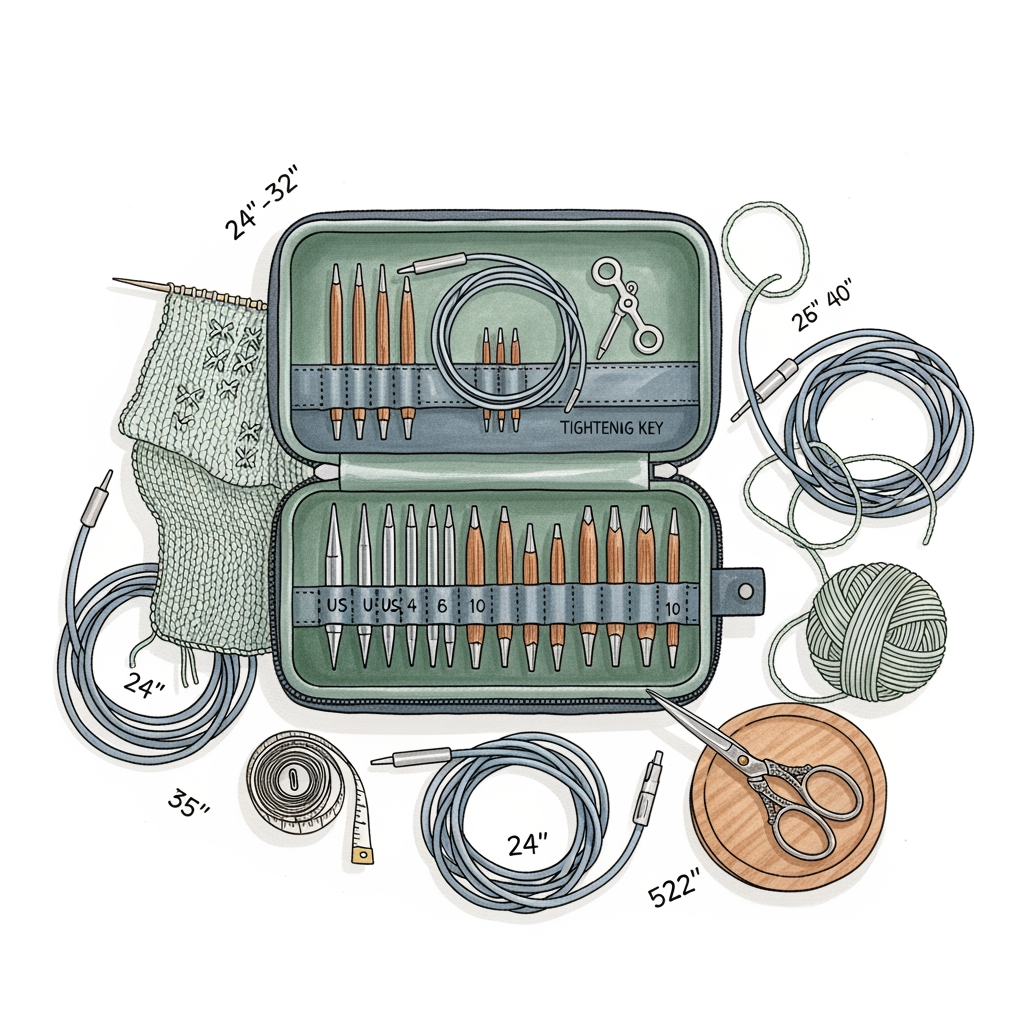
ChiaoGoo Stainless Steel Interchangeable Set


If you find yourself wrestling with high-friction wool that refuses to glide, these stainless steel needles are your best defense. The surgical-grade steel offers a sleek, polished surface that helps coarse fibers move effortlessly across the shaft.
The join between the needle and the cable is notoriously smooth, which is vital when working with rustic, single-ply wools that tend to snag on even the smallest burrs. Because these needles are quite slick, they are excellent for knitters who have a naturally tight gauge and need help keeping their stitches loose.
However, be aware that the metal is quite rigid and cold to the touch. If you have arthritis or tend to grip your needles tightly, you might find the lack of "give" in the material to be taxing over long sessions.
Lykke Driftwood Interchangeable Needle Set
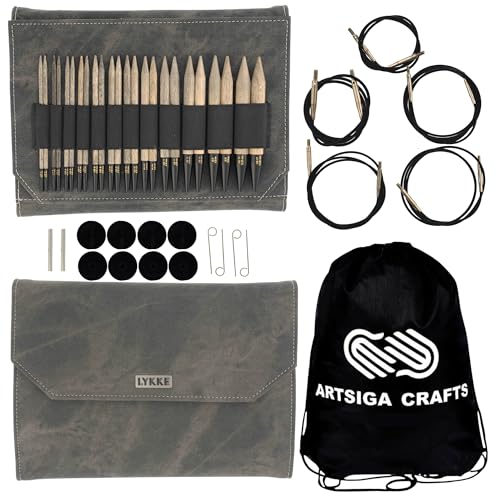
Lykke needles are crafted from birch wood, offering a warm, tactile experience that feels organic in the hand. The driftwood finish is slightly textured, providing just enough "grab" to keep unruly, coarse wool from sliding off your needles prematurely.
These are the gold standard for projects involving slippery or bouncy wools that might otherwise be difficult to control. The tips are sharp enough for intricate stitch work, yet they lack the piercing quality of metal needles, which prevents them from splitting the plies of rustic yarn.
Keep in mind that wooden needles can be prone to snapping if you are a particularly aggressive knitter using very small sizes. They are best suited for medium-to-large gauge projects where you want a bit of friction to help manage the yarn’s natural loft.
Addi Click Rocket Interchangeable Needle Set

The Addi Rocket tips are a hybrid, combining the extreme slickness of nickel-plated brass with a refined, tapered point. This combination is ideal for coarse wools that have a lot of "tooth" but also require precise needle placement.
The unique click-in system means you don’t need a tightening key, which is a life-saver if you frequently swap needle sizes. The cables are incredibly flexible and memory-free, meaning they won’t kink up while you are trying to manage a heavy, bulky wool garment.
One trade-off is the weight; these are heavier than wooden or carbon-fiber alternatives. If you are knitting a massive blanket in a heavy wool, the weight of the needles might contribute to wrist fatigue over time.
KnitPicks Options Nickel Plated Needle Set
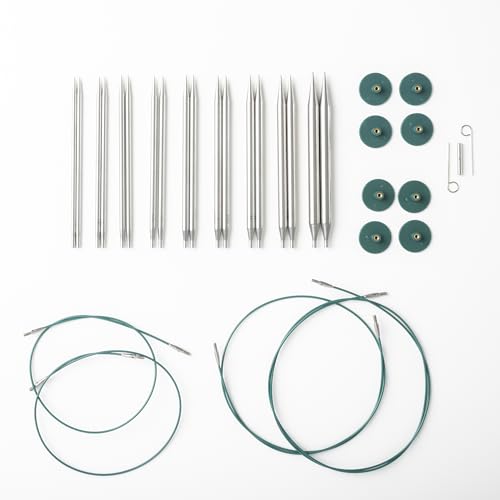
For the knitter on a budget who needs a reliable, slick surface, the KnitPicks nickel-plated set is a workhorse. The plating creates a glass-like finish that allows coarse fibers to zip along the needle with minimal resistance.
These needles are lightweight, which makes them a great choice for large-scale projects like sweaters or heavy winter throws. The tips are moderately sharp—not as aggressive as a lace needle, but sharp enough to pick up stitches in thick, uneven yarn.
The main drawback is that the nickel plating can eventually wear off if you are a heavy-handed knitter. Additionally, if you have a nickel allergy, these will not be suitable for your hands, regardless of how well they handle the yarn.
HiyaHiya Sharp Interchangeable Needle Set

HiyaHiya Sharps are legendary for their extremely pointed tips, which are essential if your coarse wool is also heavily plied or prone to splitting. The stainless steel construction provides a smooth ride, while the sharp tip ensures you can easily enter even the tightest, most rustic stitch.
These needles are surprisingly lightweight and feature a swivel cable system that prevents the cord from twisting while you knit. This is a massive advantage when working with heavy wools that tend to drag or pull on the needles as the fabric grows.
Because the tips are so sharp, you must be careful not to poke your fingers while pushing the needle through. If you are a "pusher" who uses your index finger to drive the needle, you might find these tips a bit too aggressive for long-term comfort.
Knitter’s Pride Ginger Interchangeable Set

The Ginger set is made from high-quality densified wood, which feels much sturdier than standard bamboo or birch. They offer a smooth, polished surface that allows for consistent stitch movement while still providing the gentle grip inherent to wooden tools.
The warm, earthy tone of the wood is aesthetically pleasing, but the real benefit is the ergonomic design. These needles are warm to the touch, making them an excellent choice for knitters who suffer from cold hands or joint stiffness during the winter months.
They are a fantastic middle-ground option for those who find metal too slick and standard wood too "grippy." They handle a wide variety of coarse wools with ease, providing enough control without causing the fiber to drag.
Denise Interchangeable Knitting Needle Set
Denise needles are made of a high-quality resin that is distinct from both metal and wood. They provide a unique "in-between" surface that is smoother than wood but less slippery than polished nickel.
These are excellent for beginners or those who want a durable, non-metal option that won’t snap or wear down. The plastic-to-plastic connection is secure, and the needles are very lightweight, which is helpful if you are knitting with heavy, bulky wool that adds significant drag.
The tips are slightly more blunt than other sets, which makes them less ideal for complex cable work in rustic wool. However, for basic garter or stockinette stitch projects, they are incredibly reliable and easy to use.
Why Surface Texture Matters for Coarse Wool
Coarse wool often has a high degree of cuticle scale, which creates natural friction against the needle surface. If you use a needle that is too grippy, you will find yourself constantly fighting to move the stitches, leading to slow progress and increased hand tension.
Conversely, if you use a needle that is too slick with a wool that has a lot of "fuzz," the stitches might slide off unexpectedly. You want a needle that strikes a balance: smooth enough to overcome the fiber’s friction, but consistent enough that you maintain control over your gauge.
Ultimately, the texture of your needle should act as a counterweight to the texture of your yarn. If the yarn is sticky, go for a slicker needle; if the yarn is slippery or very loose, go for a needle with a bit more tactile resistance.
Matching Needle Material to Fiber Friction
| Material | Friction Level | Best Use Case |
|---|---|---|
| Stainless Steel | Very Low | Sticky, high-friction, or very coarse wools |
| Nickel-Plated | Low | General-purpose, helps with tight gauge |
| Resin/Plastic | Moderate | Versatile, good for beginners |
| Wood/Birch | High | Slippery or bouncy fibers that need control |
The goal is to harmonize the tool with the fiber. When you match a high-friction fiber with a low-friction needle, you achieve a "flow" state where the yarn moves across the needle as fast as your hands can work.
Essential Tips for Working With Rustic Wool
When working with coarse wool, always check your gauge after the first few inches, as these fibers tend to "bloom" and change their character after a quick wash. A rustic wool that feels stiff on the needles will often become significantly softer and more pliable once it is blocked.
Don’t be afraid to go up a needle size if your fabric feels too dense or "board-like." Coarse wools often benefit from a slightly looser gauge, which allows the stitches to breathe and the yarn to show off its natural, rugged character.
Finally, keep your hands moisturized; coarse wool can be quite drying to the skin, and dry, cracked fingertips will snag on the fiber. A little bit of hand care goes a long way toward keeping your knitting sessions smooth and enjoyable.
Selecting the right needle set for coarse wool is an investment in your own comfort and the longevity of your projects. By balancing the slickness of the needle with the natural grip of the fiber, you can transform a difficult yarn into a joy to work with. Take the time to consider your personal knitting style, and don’t be afraid to experiment until you find the perfect pairing. Happy knitting!