7 Best Sewing Machine Oils for Maintenance to Use
Keep your machine running smoothly with our guide to the 7 best sewing oils. Discover top picks for essential maintenance to ensure longevity and performance.
Just as a set of perfectly polished nickel needles can make a complex lace pattern glide through your fingers, a well-oiled sewing machine is the difference between a seamless project and a frustrating tangle of dropped stitches. We spend hours choosing the perfect wool or alpaca blend, yet we often neglect the very tool that finishes our garments. Proper maintenance isn’t just about hardware; it’s about protecting the investment you’ve made in your craft. This guide breaks down the best oils to keep your machine humming as smoothly as a well-tensioned cast-on.
Singer All Purpose Machine Oil: Best Overall Choice
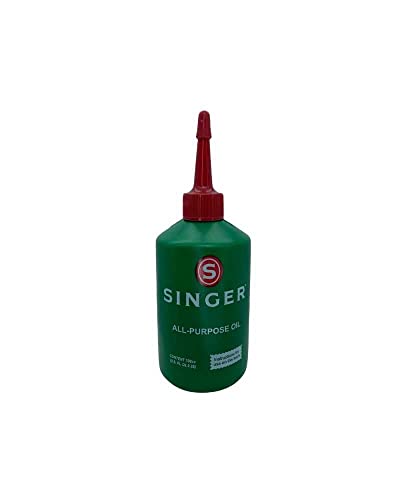

If you are a casual maker who switches between sewing a quick project bag and repairing a snag in a hand-knit sweater, this is your go-to. It is the industry standard for a reason: it’s reliable, accessible, and won’t gum up your gears during long stretches of work.
Think of this like a classic, high-quality wool wash—it does exactly what it says on the bottle without any unnecessary additives. It provides a consistent viscosity that works well across a variety of home machines, from vintage metal-bodied workhorses to modern computerized models.
The primary trade-off here is that it is a mineral-based oil, which can eventually darken or thicken if left unused for years. If you are an occasional sewer, simply run a scrap piece of cotton through your machine after a long hiatus to clear out any old residue before starting your main project.
Zoom Spout Sewing Machine Oil: Best for Precision
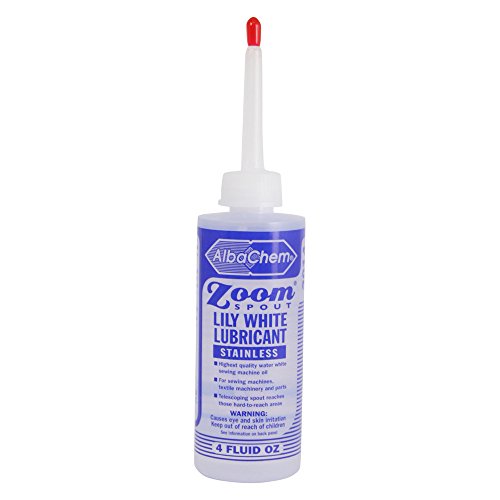
We’ve all dealt with those hard-to-reach spots on a machine, much like trying to pick up a dropped stitch in the middle of a dense cable panel. The unique telescoping spout on this bottle is a game-changer for getting oil exactly where it needs to go without creating a mess.
This oil is particularly excellent for reaching deep into the internal mechanisms of a machine without needing to disassemble the entire casing. It allows you to be surgical with your application, ensuring that oil hits the metal-on-metal contact points rather than soaking into your fabric or motor housing.
Because it is so easy to apply, there is a temptation to over-oil; remember that a little goes a long way. Always wipe away any excess, as a drop too much can attract lint, which is the enemy of any machine, just as pilling is the enemy of a beautiful sweater.
Lily White Sewing Machine Oil: Best for Longevity

"Lily White" refers to the highly refined, non-staining nature of this lubricant. If you frequently work with delicate fibers like silk, mohair, or light-colored cottons, you want an oil that won’t leave a permanent yellow mark if a stray drop happens to touch your work.
This oil is incredibly stable and resists oxidation, meaning it won’t turn into a sticky varnish over time. It’s the professional’s choice for machines that see heavy use, as it maintains its lubricating properties even when the machine heats up from hours of continuous stitching.
The downside is that it can be slightly harder to find in local craft stores compared to generic brands. However, for those who invest in high-end machines, the peace of mind knowing your oil won’t stain your finished hand-knits is worth the extra effort to source it.
Liberty Oil Synthetic Blend: Best for High Speed

When you are sewing at high speeds—perhaps topstitching a heavy wool coat or finishing a quilt—friction creates heat. Synthetic blends like Liberty Oil are designed to stay slick under these high-pressure, high-temperature conditions.
Unlike traditional mineral oils, this synthetic formula is engineered to reduce wear on metal parts significantly. It’s essentially the "high-performance" option, providing a thinner, more durable protective film that doesn’t break down as easily when the machine is pushed to its limits.
Be aware that synthetic oils should generally not be mixed with old mineral-based oils. If you are switching to a synthetic, take a moment to clean out any old, dark-colored oil from your machine’s ports before applying the new lubricant.
Opall Sewing Machine Oil: Best Value Bulk Option
If you run a small sewing studio or maintain a fleet of machines for a knitting guild, buying individual tiny bottles is inefficient. Opall offers a bulk solution that keeps your maintenance costs low without sacrificing the quality of the lubrication.
This is a high-quality, clear oil that performs consistently across most domestic machines. It is an excellent choice for the maker who prefers to perform maintenance frequently rather than waiting for the machine to sound "thirsty."
Because you have a larger supply, you might be tempted to be generous with the application. Resist this urge; even with a bulk product, the "less is more" rule remains the golden standard for machine health.
Dritz Sewing Machine Oil: Best for Quick Repairs
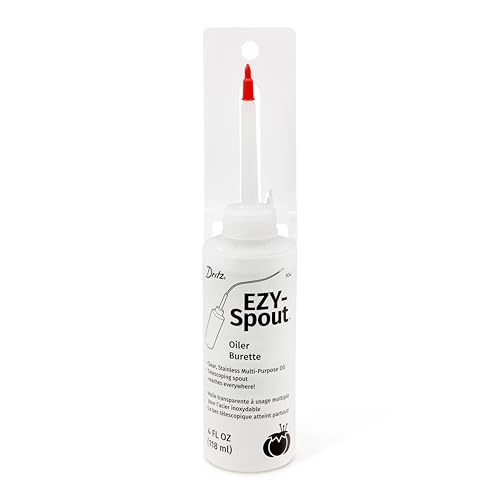
Dritz is the brand you’ll find in almost every local sewing shop, and for good reason. It is the perfect "emergency" oil to keep in your sewing kit alongside your darning needles and measuring tape.
It’s reliable, affordable, and perfectly adequate for the standard maintenance most home sewers require. It doesn’t have the fancy spouts of premium brands, but it gets the job done when you notice your machine starting to sound a bit sluggish mid-project.
If you are a beginner, this is the best place to start. It allows you to get comfortable with the maintenance process without worrying about the cost or the complexity of high-end synthetic formulas.
Juki Defrix Super Oil: Best for Industrial Models

If you are using an industrial-grade machine—perhaps for heavy canvas, leather, or thick upholstery fabrics—you need an oil that can handle the increased torque and speed. Juki’s proprietary oil is specifically formulated for the tight tolerances of professional-grade gear.
This oil is exceptionally clean and designed to prevent the buildup of sludge, which is critical in industrial machines that run for hours every day. It provides a level of protection that ensures your machine’s timing remains precise, which is vital for perfect stitch formation.
Using this in a standard home machine is often overkill, but it won’t hurt. If you’ve upgraded to an industrial machine, stick with the manufacturer’s recommended oil to maintain your warranty and ensure the longevity of the motor.
Why Proper Lubrication Matters for Your Machines
A sewing machine is a complex dance of hundreds of moving parts, much like the intricate interplay of needles and yarn in a complex colorwork project. Without oil, these metal parts rub together, creating heat, friction, and eventually, permanent damage to the machine’s timing.
Regular lubrication ensures that your machine runs quietly and smoothly. When a machine is dry, you’ll often hear a rhythmic "clacking" or feel resistance when turning the handwheel; this is your machine telling you it needs attention.
Think of oil as the "blocking" process for your machine. Just as blocking relaxes the fibers and sets the stitch, oiling relaxes the internal mechanics and sets the machine up for a successful, snag-free sewing session.
How Often Should You Oil Your Sewing Equipment
There isn’t a single "right" answer, as it depends entirely on how much you sew. A good rule of thumb is to oil your machine after every 10 to 20 hours of use, or if the machine has been sitting idle for more than a few months.
- Listen to the sound: If your machine sounds louder than usual, it’s time for a drop of oil.
- Check the manual: Your machine’s manual will have a diagram showing exactly where to apply oil.
- Don’t overdo it: One or two drops in each designated spot is plenty.
If you are working on a large project, such as sewing a heavy wool blanket, consider a quick maintenance check before you start. It’s far better to spend five minutes oiling your machine than to deal with a seized gear in the middle of a long seam.
Safety Tips for Applying Oil Without Any Mess
Oiling a machine shouldn’t be a messy ordeal that leaves you reaching for the stain remover. Always keep a piece of scrap fabric or a paper towel under the needle area to catch any accidental drips before they hit your project.
Use a small piece of scrap fabric to run through the machine after oiling. This "test drive" picks up any excess oil that might have been squeezed out, ensuring it doesn’t transfer to your next garment.
- Unplug the machine: Always disconnect the power before opening the casing.
- Use a needle-tip applicator: This gives you maximum control.
- Wipe as you go: Keep a lint-free cloth handy to catch stray drops immediately.
Maintaining your sewing machine is just as essential as maintaining your knitting needles or keeping your yarn stash organized. By choosing the right oil and committing to a routine, you ensure that your machine remains a reliable partner for every creative whim. Treat your tools with care, and they will help you create beautiful, lasting pieces for years to come. Happy stitching!