6 Best Tapestry Hooks For Pulling Loops To Try
Discover the 6 best tapestry hooks for pulling loops. Our expert guide helps you select the right tools for precision, comfort, and professional results.
Achieving a professional finish on your knitwear often comes down to the small, often overlooked tools used to secure loose ends. Pulling loops and weaving in tails requires precision to ensure your hard work stays secure through repeated washes and wear. Choosing the right tapestry hook or needle can transform a tedious chore into a satisfying final step. Here are the best tools to help you master the art of the perfect finish.
Clover Bent Tip Tapestry Needle Set: Best Overall


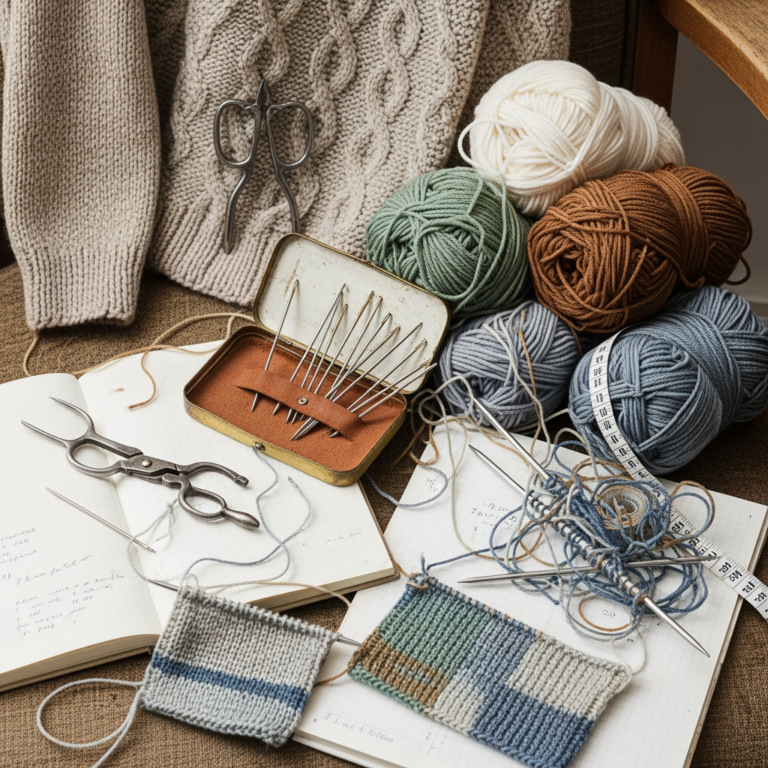
There is a reason these needles are a staple in almost every serious knitter’s notions bag. The bent tip design is a game-changer when you need to slide under a specific loop of a stitch without splitting the yarn fibers.
By angling the tip, you can easily navigate between the layers of your fabric. This is especially helpful when working with delicate fibers like alpaca or silk, where splitting a ply can ruin the visual flow of your stitches.
These needles are smooth and sturdy, offering just enough grip to hold the yarn securely without being sticky. They strike the perfect balance for almost any project weight, from lace-weight shawls to chunky sweaters.
Susan Bates Finishing Needles: The Budget Choice
If you are prone to losing your needles between the sofa cushions, the Susan Bates set is an excellent, cost-effective solution. These needles are functional, reliable, and get the job done without any unnecessary frills.
They are made from polished steel, which makes them quite slick. This is a benefit when you are weaving through tight, dense stitches where a grippy needle might catch and cause unwanted friction.
However, because they are straight, you may find them slightly more challenging to use for complex loop-pulling tasks. They are best suited for straightforward weaving on the wrong side of your work.
Bohin France Steel Tapestry Needles: Most Durable

Bohin needles are widely regarded for their exceptional manufacturing quality and longevity. Unlike cheaper alternatives that may bend or develop rough burrs, these steel needles maintain their integrity through years of heavy use.
The eye of the needle is generously sized, making it much easier to thread even with slightly fuzzy mohair or angora yarns. This reduces the frustration that often leads to abandoning a project before the ends are properly hidden.
If you invest in one set of needles to keep for a decade, this is the one to choose. They glide through even the most stubborn, high-twist wools with minimal resistance.
Dritz Yarn Darner Needles: Best for Thick Yarns
Sometimes, you need a needle with a bit more "heft" to handle bulky, roving-style yarns. The Dritz Yarn Darner is designed specifically for these thicker weights, featuring a long, sturdy shaft that won’t flex under pressure.
When working with chunky knits, a thin needle often feels lost in the fabric. The thicker gauge of these needles helps you maintain control, ensuring your tail is pulled through securely without distorting the surrounding stitches.
Keep in mind that these are quite large, so they aren’t appropriate for fine-gauge work. They are a specialized tool, but for those oversized, cozy cardigans, they are absolutely indispensable.
Tulip Etimo Crochet Hook: Best for Loop Pulling

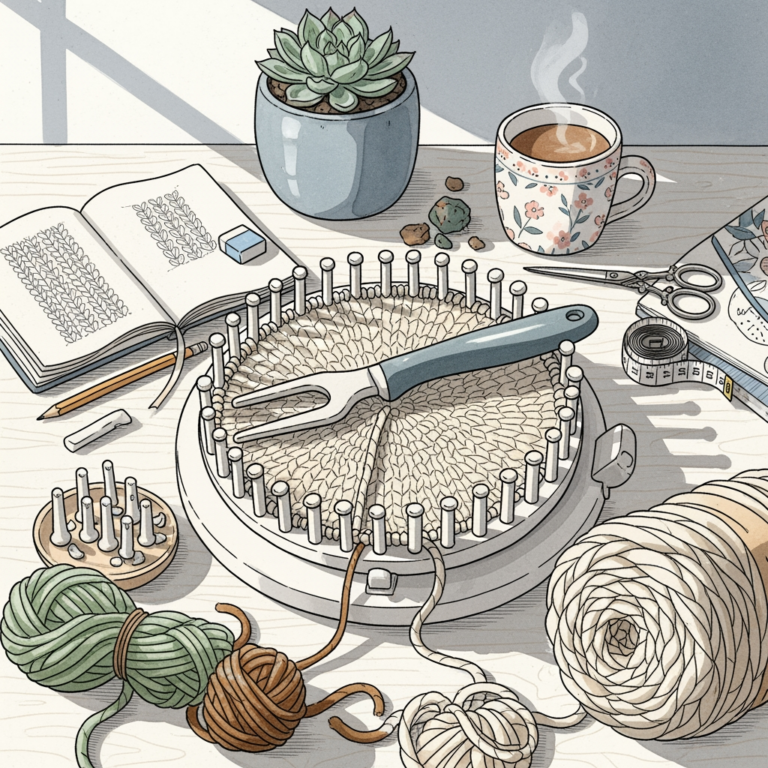
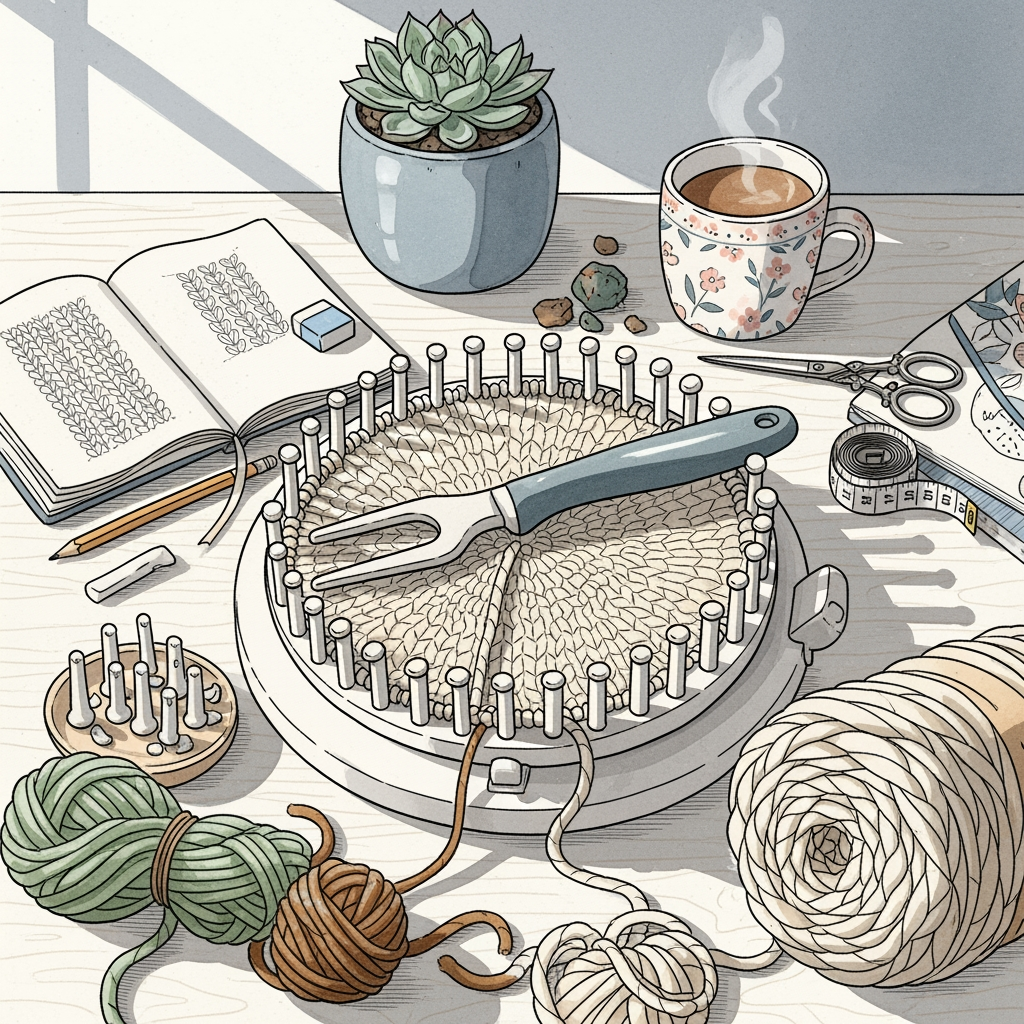
While technically a crochet hook, many expert knitters swear by a small Tulip Etimo hook for pulling loops through the back of their work. The head of the hook is perfectly rounded, preventing it from snagging or splitting the yarn.
The ergonomic handle is a major plus if you have arthritis or are finishing a large project with many ends to weave. It allows you to maintain a steady grip without straining your hand or wrist.
Using a hook rather than a needle allows you to "grab" the yarn tail and pull it through a loop in one fluid motion. It is often much faster than threading a needle, especially when you are working on the inside of a hat or a tubular garment.
Pony Aluminum Tapestry Needles: Great for Travel

These aluminum needles are incredibly lightweight, making them the perfect companion for your travel knitting kit. Because they are made of aluminum, they won’t weigh down your notions pouch and are resistant to corrosion.
The finish is matte rather than high-gloss, which provides a bit of extra traction. If you find that your yarn tends to slip off your needle while you are trying to weave in an end, this texture will help keep everything in place.
They are also color-coded, which makes it easy to grab the right size at a glance. While they may not be as durable as steel, their portability and price point make them a fantastic addition to any knitter’s collection.
How to Select the Right Tapestry Hook for Your Yarn
The golden rule of selecting a finishing tool is to match the needle size to the yarn weight and the density of your fabric. For delicate, fine-gauge socks, always opt for a smaller, slender needle that won’t stretch out your stitches.
- For Lace/Fingering: Choose a fine-gauge steel needle with a sharp point.
- For Worsted/DK: A medium-sized bent-tip needle is usually the most versatile.
- For Bulky/Super Bulky: Reach for a large-eye darner or a crochet hook.
Always consider the fiber content as well. Slippery fibers like bamboo or silk benefit from a needle with a bit of texture, while sticky, high-friction wools glide better on smooth, polished steel.
Essential Tips for Weaving in Ends Like a Pro
The secret to invisible ends is to follow the path of the stitch. By weaving your tail in the same direction as the yarn travels in the fabric, you ensure the repair is nearly impossible to detect from the right side.
Always weave your ends into the "wrong" side of the work to keep the aesthetics clean. If you are working in colorwork, try to weave the tail into the same color section to prevent the yarn from showing through the front.
Finally, leave a tail of at least four to six inches. It is far better to have extra yarn to trim than to find your ends popping out after the first wash because you didn’t have enough length to secure them properly.
Why Bent Tip Needles Improve Your Finishing Work
Bent tip needles are the gold standard for a reason. By angling the tip, the needle acts as a guide, allowing you to lift a single strand of a stitch without piercing the yarn itself.
This design reduces the amount of wrist rotation required to navigate through tight fabric. It essentially does the work for you, allowing the needle to "hook" under the stitch rather than having to poke through it blindly.
Once you switch to a bent tip, it is very difficult to go back to a straight needle. It is a small ergonomic adjustment that pays off significantly in speed and accuracy.
Common Mistakes When Pulling Loops in Knitwear
The most common mistake is pulling the yarn too tightly when finishing. This creates a "puckered" look on the front of your garment that can be very difficult to fix once the yarn has settled into the fabric.
Another frequent error is not securing the end in multiple directions. If you only weave in a straight line, the yarn is more likely to work its way back out. Always change direction at least once to "lock" the tail in place.
Lastly, avoid weaving ends into areas that need to stretch, like the cuffs of a sweater or the heel of a sock. If you weave through these zones, your finishing work will restrict the elasticity of the garment, making it uncomfortable to wear.
Mastering the finish is the final step in elevating your knitting from "homemade" to "handmade." By choosing the right tool for the specific yarn and project at hand, you ensure your work remains beautiful for years to come. Take the time to experiment with these options, and you will soon find your own preferred method for securing those ends. Happy knitting, and may your finishes always be as neat as your stitches.