6 Best Knitwear Repair Kits For Snagged Stitches
Don’t discard your snagged sweaters. Discover the 6 best knitwear repair kits designed to easily fix loose threads and restore your favorite garments today.
There is nothing quite as heartbreaking as spotting a snag on a hand-knit sweater you spent months perfecting. Whether it’s a stray loop caught on a piece of jewelry or a snag from a rough surface, the damage feels personal. Fortunately, a few simple tools can make these imperfections disappear as if they never happened. This guide explores the best repair kits to help you restore your favorite knits to their original beauty.
Dritz Knit Repair Tool: Best Value for Beginners


If you are just starting your knitting journey, you don’t need a complex array of professional equipment to fix a loose thread. The Dritz Knit Repair Tool is essentially a latch hook designed specifically for snagged yarn, making it the most approachable entry point for new knitters. It is affordable, widely available, and gets the job done without any unnecessary frills.
The tool functions by catching the loose loop of yarn and pulling it through to the inside of the garment. Because it’s small and portable, it’s a great addition to any basic notions pouch. You won’t find high-end finishes here, but you will find a reliable, straightforward utility that solves 90% of common snag issues.
The primary trade-off is the handle, which is functional but not ergonomic for long repair sessions. If you only have one or two snags to fix a year, this is the perfect, low-cost solution. It is the definition of a "set it and forget it" tool for your sewing box.
Clover Kinki Amibari Repair Hook Set Review
For those who appreciate Japanese craftsmanship, the Clover Kinki Amibari set is a significant step up in quality. These tools are incredibly smooth, which is vital when working with delicate or high-twist yarns. If you work with luxury fibers like silk or fine mohair, the last thing you want is a tool that snags the yarn further.
The hooks are precisely engineered to glide through the fabric without splitting the plies of your yarn. This is essential when you are trying to pull a snag back through a dense, tight-gauge fabric. A cheaper, rougher tool might tear the fiber, but these hooks respect the integrity of the strand.
The set provides multiple sizes, which is a major advantage for different yarn weights. Whether you are repairing a bulky wool cable or a fine lace shawl, there is a hook in this set that fits the bill. It is a professional-grade investment for the dedicated maker.
Susan Bates Knit Chek and Repair Tool Kit
The Susan Bates Knit Chek is a classic for a reason, acting as a multi-purpose tool that every knitter should own. Beyond the repair hook, it includes a gauge ruler and a needle sizer, making it a functional "Swiss Army Knife" for your knitting bag. It is a utilitarian piece of plastic that has survived decades of changing knitting trends.
While the repair hook included is quite basic, the value lies in the versatility of the tool. If you are constantly losing your needle sizer or need to check your gauge on the go, this kit pays for itself. It is not designed for delicate couture repairs, but it is excellent for everyday sweaters and hats.
Keep in mind that the plastic material can be prone to slight burrs over time if stored improperly. If you notice the hook feels "sticky" or rough, a quick buff with a fine-grit nail file will smooth it right out. It is a humble, reliable workhorse.
Cohana Sewing Kit: The Luxury Repair Option
Cohana is for the knitter who believes that tools should be as beautiful as the projects they create. These kits are crafted with traditional Japanese techniques, featuring materials like lacquered wood and high-quality steel. If you want your repair kit to feel like a treat rather than a chore, this is the gold standard.
Beyond the aesthetics, the functionality is top-tier. The repair needles and hooks are finished to a level of smoothness that is unmatched in mass-market tools. When you are performing "surgery" on a precious heirloom garment, having a tool that feels balanced and precise in your hand provides a lot of confidence.
The price point is undeniably high, making this a luxury purchase rather than a necessity. However, for the knitter who values craftsmanship and wants tools that will last a lifetime, the Cohana kit is an heirloom in its own right. It turns a frustrating repair task into a mindful, enjoyable experience.
Cocoknits Maker’s Keep for Snagged Stitches
Cocoknits has revolutionized how we organize our workspace, and their approach to repairs is no different. While the Maker’s Keep is primarily a magnetic wristband, it is the ultimate companion for keeping your repair needles and hooks within reach. When you are trying to hold a snag in place with one hand and fish for a tool with the other, having everything magnetized to your wrist is a game-changer.
The system is designed for the knitter who values efficiency and workflow. By keeping your repair needle attached to your wrist, you eliminate the frantic search through your knitting bag when a snag occurs. It is particularly helpful if you are working on large-scale projects where you don’t want to put your needles down.
The trade-off is that you need to be comfortable wearing a wrist accessory while you knit. If you prefer a clutter-free wrist, this might feel like overkill. However, for those who struggle with losing small notions, it is the most effective organizational solution on the market.
Pony Knitting Repair Needle and Hook Set

Pony offers a very practical, no-nonsense set that focuses on the sheer utility of different hook sizes. This set is perfect for the knitter who works with a wide variety of yarn weights, from lace-weight mohair to chunky roving. Having options is the best way to ensure you don’t damage your fabric during a repair.
These tools are lightweight and have a simple, ergonomic grip that works well for most hand sizes. They don’t have the luxury feel of Cohana or the multi-tool versatility of Susan Bates, but they excel at the specific task of snag restoration. They are reliable, sturdy, and do exactly what they claim to do.
If you are a knitter who keeps a large stash of different yarn types, this set provides the coverage you need. It is a sensible choice for the pragmatic maker who wants a dedicated tool for every potential snag scenario. You get consistent results without paying for brand prestige.
Essential Tools for Fixing Snags and Pulls
To effectively manage snags, you need a small arsenal of tools that go beyond just a hook. A good repair kit should include:
- Latch hooks: For pulling loops through to the back of the work.
- Darning needles: Essential for weaving in ends or securing a snagged thread that has broken.
- Small, sharp scissors: For trimming any frayed ends if a snag has caused a break in the yarn.
- A magnifying glass: Useful for identifying the path of the snag in dark or fuzzy yarns.
Having these items consolidated ensures that you can act quickly when a snag happens. The faster you address a pull, the less likely it is to grow into a hole or a permanent distortion in your fabric. Keep these items in a dedicated, small pouch to avoid loss.
How to Choose the Right Repair Hook Size
The golden rule of snag repair is to use the smallest hook that can comfortably catch the yarn. Using a hook that is too large can stretch the surrounding stitches, creating a new problem while trying to fix the old one. If you are working with fine, 2-ply fingering weight yarn, you need a very fine hook.

Conversely, if you are working with chunky, multi-plied wool, a larger hook is necessary to grab all the plies without splitting them. Always test the hook on a swatch or an inconspicuous area if you are unsure. If the hook feels like it’s forcing the fabric apart, size down.
When in doubt, err on the side of a smaller tool. You can always work more slowly to catch the yarn, but you cannot easily "un-stretch" a stitch that has been pulled too wide by an oversized hook. Patience is your best tool here.
Preventing Snags in Your Hand-Knit Garments
Prevention is always easier than the cure, especially when it comes to delicate fibers like alpaca or cashmere. Be mindful of your jewelry; rings with prongs are the primary enemy of hand-knits. If you are wearing a sweater, try to avoid bracelets or watches that have exposed metal edges.
You should also be careful about where you sit. Rough wooden chairs or textured surfaces can catch on your garment as you move. When washing your knits, always use a mesh laundry bag to prevent the agitation of the machine from snagging your pieces against other items.
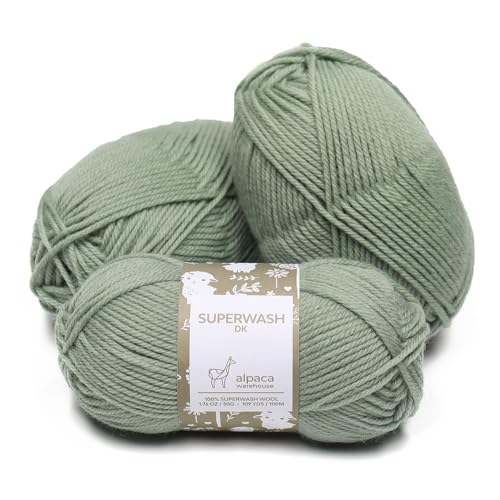
Finally, consider the fiber content of your yarn. Superwash wools and synthetic blends are generally more resistant to snagging than soft, single-ply, or mohair-heavy yarns. If you are knitting a garment for heavy daily wear, choose a yarn with a tighter twist and a higher ply count.
Expert Tips for Seamless Stitch Restoration
When you catch a snag, the goal is to redistribute the excess yarn back into the surrounding stitches. Gently tug the fabric in all directions around the snag to help the yarn "migrate" back to its original position. Often, a little bit of steam from an iron (held at a distance!) can help the fibers relax and settle back into place.
If the snag is a long, loose loop, do not pull it tight immediately. Work it back into the fabric gradually, stitch by stitch, moving away from the snag in a circular pattern. This ensures that the tension is even across the entire area, rather than creating a tight "puckered" spot.
Lastly, don’t be afraid to leave a tiny bit of slack if you can’t get it perfectly flat. A minor unevenness is usually invisible to everyone except you. If you overwork the area, you risk thinning the yarn or creating a hole, which is much harder to fix than a simple pull.
Repairing snagged stitches is a rite of passage for every knitter, and it is a skill that grows with practice. By keeping the right tools on hand and approaching each snag with patience, you can extend the life of your handmade garments indefinitely. Remember that your knits are meant to be worn, and a few minor repairs only add to the story of the piece. Happy knitting, and may your stitches remain snag-free.