
6 Best Replacement Carriage Belts For Automated Knitting
Discover the top six replacement carriage belts for automated knitting machines. We evaluate durability and precision to ensure your projects run smoothly.
Nothing halts a creative flow quite like the sudden, grinding protest of a stalled knitting machine carriage. These belts act as the mechanical heart of your machine, translating your hand movements into precise needle selection and stitch formation. Choosing the right replacement is the difference between effortless, rhythmic knitting and a frustrating afternoon of dropped stitches and jammed carriages. Let’s look at the best options to keep your machine humming along perfectly.
Brother KH-860 Timing Belt: The Gold Standard
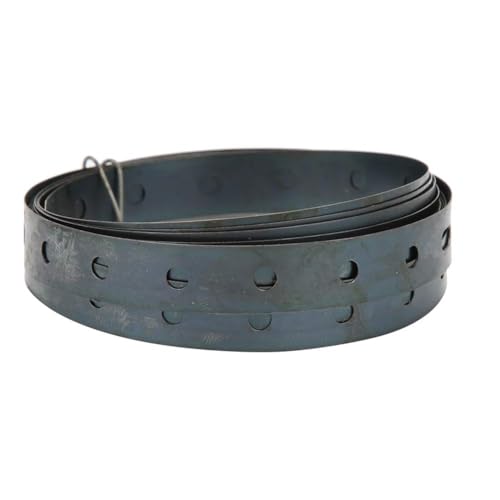

The Brother KH-860 is the workhorse of the knitting world, and its timing belt is engineered to handle decades of heavy use. When you are working on a complex fair-isle sweater, you need a belt that doesn’t stretch or slip under the tension of constant carriage passes.
This belt is widely considered the gold standard because of its exact tooth pitch and reinforced rubber composition. It maintains consistent tension, which is vital when you are balancing multiple colors or intricate tuck stitches.
Don’t be tempted by generic, cheaper alternatives that claim to fit "all Brother machines." The specific tolerances of the KH-860 require the exact OEM-spec belt to ensure your carriage glides smoothly without catching on the needle bed.
Silver Reed SK280 Belt: Best for Reliability
Silver Reed machines are known for their modern, user-friendly design, and the SK280 belt is built to match that efficiency. If you primarily use your machine for quick, repetitive projects like baby blankets or stockinette scarves, this belt offers the best balance of longevity and ease of installation.
The material used in the SK280 belt is slightly more flexible than the vintage Brother belts, making it more forgiving during the initial setup. This flexibility is a lifesaver if you find yourself frequently changing your carriage settings or working with varying yarn weights.
However, keep in mind that "forgiving" does not mean "loose." If you notice your carriage feels "mushy" or unresponsive, your belt has likely lost its structural integrity and needs an immediate swap to prevent uneven stitch formation.
Passap Duomatic Belt: Top Choice for Precision
Passap machines operate in a league of their own, often requiring a higher level of mechanical precision than standard punch-card machines. The Duomatic belt is specifically designed to handle the heavy, double-bed carriage movements required for complex jacquard or ribbing.
Precision is the name of the game here. Because the Passap uses a unique needle-selection system, even a millimeter of belt slack can result in catastrophic pattern errors or dropped stitches in your work.
If you are a knitter who loves the challenge of double-bed fabrics, do not compromise on this belt. Stick to high-density, reinforced options that resist heat buildup, as the friction generated by the heavy Passap carriage can quickly degrade inferior materials.
KnitKing Compuknit Replacement: Best Value Pick
KnitKing machines are essentially the American-market counterparts to Brother, and their replacement belts are often a fantastic value for the budget-conscious maker. If you are refurbishing a vintage machine found at an estate sale, these belts offer a reliable way to get back to knitting without breaking the bank.
These belts are generally widely available and serve as an excellent "starter" replacement. They provide enough durability to get you through several large projects, such as full-sized sweaters or complex afghans, before showing signs of wear.
My advice? Buy two. Since they are affordable, having a spare on hand means you won’t have to stop your project for a week while waiting for a shipment if your primary belt snaps mid-row.
Singer Memo-Matic Timing Belt: Best Retro Fit

The Singer Memo-Matic has a cult following for its unique patterning capabilities, but finding parts can sometimes feel like a treasure hunt. The specific timing belt for these machines is designed to accommodate the unique gear-tooth geometry of the Singer carriage drive.
When restoring a Memo-Matic, you aren’t just replacing a belt; you are preserving a piece of knitting history. These belts are often manufactured with a specific "grippy" finish that prevents the carriage from skipping during the punch-card reading process.
Avoid the urge to use universal timing belts from hardware stores. The proprietary tooth profile on the Singer is distinct, and using an incorrect belt will eventually strip your carriage gears, which is a much more expensive problem to fix.
Toyota KS901 Drive Belt: Top Durability Choice

Toyota machines are legendary for their solid, almost industrial-grade construction. The KS901 drive belt is built to last, often outperforming many other brands in terms of sheer resistance to snapping under pressure.
If you are a knitter who works with heavier, more abrasive yarns like wool-tweed or thick cottons, the extra durability of this belt is a major asset. It handles the increased resistance of the carriage movement without stretching or fraying at the edges.
This is the belt for the knitter who values a "set it and forget it" approach. Once properly installed and tensioned, it stays true for a long time, allowing you to focus entirely on your fiber selection and stitch patterns.
How to Measure Your Carriage Belt for Replacement
Measuring your belt accurately is the most critical step in the replacement process. Start by removing the old belt and laying it flat on a clean surface; do not try to measure it while it is still under tension on the machine.
Use a high-quality sewing tape measure or a set of calipers to determine the total length and the specific tooth pitch. The tooth pitch is the distance from the center of one tooth to the center of the next, and it is non-negotiable—if it doesn’t match, it won’t work.
- Check the tooth profile: Is it square, rounded, or trapezoidal?
- Count the teeth: Sometimes, the total tooth count is a more reliable metric than raw length.
- Check the width: A belt that is too wide will rub against the machine housing, causing premature failure.
Signs Your Knitting Machine Belt Needs Replacing
Your machine will usually give you subtle warnings before a belt fails completely. The most common sign is inconsistent stitch size, where your tension seems to "drift" even though you haven’t touched the dial.
Listen to the sound of your carriage. If you hear a rhythmic "clicking" or a rubbing sound that wasn’t there before, it’s a sign that the teeth on your belt are worn down or the belt is beginning to slip over the drive gear.
Visually inspect the belt for "rubber dust" inside the carriage track. If you see fine black powder, your belt is disintegrating, and you should stop knitting immediately to avoid getting debris inside the delicate needle selection mechanisms.
Step-by-Step Guide to Installing Timing Belts
Installation requires patience and a steady hand. Begin by loosening the tensioner assembly on your machine—usually located at one end of the needle bed—to create enough slack to slide the old belt off the drive sprockets.
Once the old belt is removed, clean the drive gears with a soft brush to remove any lingering debris. Carefully thread the new belt through the track, ensuring the teeth are perfectly seated in the gears; even one tooth off-center will cause your carriage to jam.
Gradually increase the tension until the belt feels firm but not guitar-string tight. A belt that is too tight puts unnecessary strain on the carriage motor and bearings, while a belt that is too loose will cause timing issues and skipped stitches.
Essential Maintenance for Carriage Belt Longevity
The best way to extend the life of your belt is to keep your machine free of dust and lint. Every few projects, use a small vacuum or a soft brush to clear the carriage track, as lint buildup acts like sandpaper on the rubber teeth of your belt.
Avoid leaving your machine in direct sunlight or extreme temperature fluctuations. Heat causes rubber to become brittle and crack, which will lead to a sudden snap right in the middle of your favorite lace project.
Finally, keep your carriage moving smoothly by using only the manufacturer-recommended lubricant sparingly. Excess oil that drips onto the belt will cause it to swell and degrade, so always wipe away any stray droplets before they reach the drive system.
Maintaining your carriage belt is a small but vital part of the knitting machine experience. By choosing the right replacement and keeping up with basic maintenance, you ensure that your machine remains a reliable partner for years of creativity. Whether you’re working on a simple scarf or an intricate heirloom, a well-tuned machine is the foundation of every beautiful stitch you create. Happy knitting!