
7 Best Jewelry Clasps For Finished Bracelets To Try
Choosing the right clasp is vital for jewelry durability. Explore seven top-tier options to ensure your finished bracelets remain secure, stylish, and functional.
Choosing the right clasp for a finished bracelet is just as critical as selecting the perfect yarn weight for a delicate lace shawl. While we often obsess over stitch definition and tension, the hardware we choose determines whether our wearable art survives a day of errands or slips off into the abyss. This guide breaks down the best options to ensure your handmade jewelry stays exactly where it belongs. From ease of use to structural integrity, finding the right match is the final, vital step in your creative process.
Lobster Claw Clasps: The Secure Everyday Choice


The lobster claw is the workhorse of the jewelry world, much like a reliable set of stainless steel needles that never lets you down. Its spring-loaded mechanism provides a satisfying "click" of security that gives you peace of mind when wearing your bracelet during daily activities.
Because they are so common, you might overlook their versatility. They come in various sizes, and choosing the right one is similar to matching needle size to yarn weight; a clunky, oversized clasp will ruin the drape of a delicate beaded or braided fiber bracelet.
If you are working with heavier braided cords or thick, wire-wrapped designs, always opt for a larger lobster claw. The smaller versions are best reserved for lightweight, dainty pieces that don’t pull on the wrist.
Toggle Clasps: Stylish and Easy for One-Handed Use
Toggle clasps are a favorite for anyone who struggles with the dexterity required for tiny, fiddly closures. They consist of a bar that passes through a loop, making them incredibly intuitive to fasten without needing a second pair of hands.
The main trade-off here is security. Because they rely on tension to stay closed, they are best suited for bracelets that have a bit of weight or structure to keep the bar pulled firmly against the loop.
Avoid using these on very loose, lightweight bracelets that might shift around your wrist. If the bracelet is too slack, the toggle can easily slip out of the loop and vanish, much like a stitch dropping off a needle that’s too slick for your yarn.
Magnetic Clasps: Effortless Closure for Delicate Bits

Magnetic clasps are the ultimate solution for makers who prioritize convenience above all else. They snap together instantly, which is a lifesaver if you have limited hand mobility or simply hate fumbling with traditional hardware.
However, they are not appropriate for every project. Their strength varies wildly, and they are generally not suitable for heavy or bulky bracelets that could easily tug the magnets apart during normal movement.
Think of these like using a cable needle; they serve a specific, helpful purpose, but they aren’t the right tool for every job. Use them for lightweight, decorative bracelets that won’t be subjected to frequent snagging or heavy tension.
Barrel Clasps: Sleek and Minimal for Seamless Looks

Barrel clasps, which screw together, offer a clean, professional finish that hides the closure entirely. They are perfect for minimalist designs where you don’t want a bulky piece of hardware distracting from your fiber work.
The downside is that they require two hands to operate, which can be frustrating if you’re trying to put a bracelet on by yourself. They also require frequent checking to ensure they haven’t unscrewed themselves over the course of the day.
If you choose a barrel clasp, consider adding a tiny dab of clear nail polish to the threads if you’re worried about them vibrating loose. It’s a simple trick that provides a little extra insurance for your hard work.
Hook and Eye Closures: Classic Design for Vintage Art

Hook and eye closures bring a timeless, artisanal quality to jewelry, often complementing vintage-inspired or bohemian fiber designs. They are simple, elegant, and allow the bracelet to sit flat against the wrist without bulky mechanisms.
These work best when the bracelet has a consistent, moderate tension. If the bracelet is too loose, the hook can easily slip out of the eye, leading to a lost treasure.
They are essentially a decorative element that doubles as a functional tool. When using these, ensure the "eye" is closed securely enough that the hook requires a deliberate effort to remove, rather than just sliding out.
Slide Lock Clasps: Perfect for Multi-Strand Designs

Slide lock clasps are specifically engineered for multi-strand bracelets, holding several cords or threads neatly in place. They provide a wide, stable attachment point that keeps your design from tangling or bunching up at the wrist.
These are incredibly secure, but they do require a bit more precision during the assembly phase. You must ensure that your strands are cut to the exact same length so the tension is distributed evenly across the clasp.
If you’ve ever blocked a complex lace project, you know that tension is everything. The same applies here; if one strand is tighter than the others, it will pull against the clasp, potentially causing premature wear or breakage.
Box Clasps: Elegant Security for High-End Jewelry
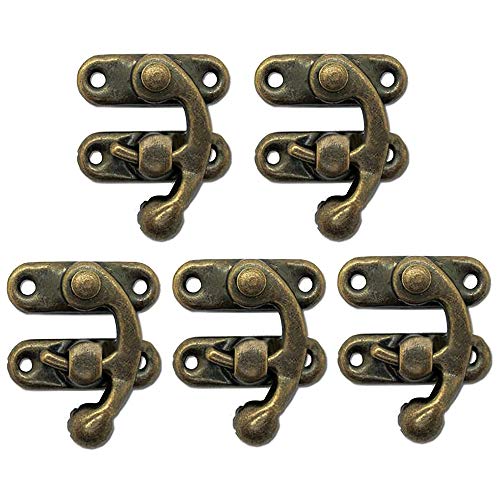
Box clasps represent the pinnacle of jewelry hardware, offering a hidden, secure, and incredibly polished look. They are often used in fine jewelry and provide a tactile "snap" that confirms the piece is safely locked.
They are more difficult to install than other options, often requiring specific crimping or soldering skills. Because of their complexity and cost, they are best reserved for your most intricate, labor-intensive pieces.
Think of a box clasp like a complex intarsia colorwork project; it requires patience and precision, but the final result is undeniably professional. If you want your bracelet to look like it came from a high-end boutique, this is the hardware you need.
How to Match Your Clasp Style to Your Fiber Weight
Matching your clasp to your fiber is just as important as choosing the right needle material for your yarn. A heavy, wool-blend braid will easily overwhelm a delicate lobster claw, while a fine silk thread will look ridiculous attached to a massive, industrial-style box clasp.
Consider these guidelines when selecting your hardware:
- Lightweight/Fine Thread: Use delicate lobster claws or small magnetic clasps to maintain the piece’s aesthetic.
- Medium/Braided Cord: Toggle clasps or hook and eye closures provide the necessary balance of weight and function.
- Heavy/Multi-Strand: Go for slide locks or sturdy box clasps to manage the tension and keep the strands organized.
Always test the weight of your finished piece before finalizing the clasp. If the bracelet feels heavy or pulls on the skin, you need a more robust closure system to ensure it stays secure throughout the day.
Essential Tools for Attaching Clasps to Bracelets
You cannot expect professional results without the right tools, just as you can’t knit a sweater with a crochet hook. To attach clasps effectively, you need a basic kit of jewelry pliers, including chain-nose, round-nose, and wire cutters.
- Chain-nose pliers: Essential for opening and closing jump rings without distorting their shape.
- Round-nose pliers: Perfect for creating neat loops at the ends of your fiber or wire.
- Wire cutters: Necessary for trimming excess thread or wire cleanly and precisely.
Invest in quality tools with comfortable grips if you plan on making jewelry regularly. Much like ergonomic knitting needles, good tools prevent hand fatigue and allow you to work with greater accuracy over longer periods.
Troubleshooting Common Bracelet Clasp Failures
Clasp failure is usually a result of either poor material choice or improper installation. If a clasp keeps popping open, check the tension of your bracelet; it might be too tight, putting unnecessary strain on the connection point.
If a jump ring is pulling apart, you likely didn’t close it tightly enough during the assembly phase. Always ensure the ends of your jump rings meet perfectly flush, with no gap, to prevent your clasp from slipping out.
Finally, remember that jewelry is subject to wear and tear. Periodically check your clasps for signs of metal fatigue or loose springs, just as you would inspect your favorite hand-knitted socks for thinning heels.
Selecting the right clasp is the final act of craft that elevates your bracelet from a simple project to a finished piece of jewelry. By considering the weight of your fibers and the intended use of the accessory, you can ensure your hard work remains secure and stylish. Don’t be afraid to experiment with different hardware to see what best complements your unique design aesthetic. With the right tools and a little attention to detail, your handmade bracelets will be as durable as they are beautiful.