7 Best Wooden Yarn Guides for Beginners to Try
Discover the top 7 wooden yarn guides for beginners. Learn how these essential tools improve tension, prevent tangles, and enhance your overall knitting flow.
Mastering your yarn tension is often the greatest hurdle for a new knitter, but the right wooden guide can turn a tangled mess into a smooth, rhythmic experience. These tools aren’t just accessories; they are the silent partners that ensure your stitches remain consistent from the first cast-on to the final bind-off. By controlling how yarn feeds from your ball or cake, you eliminate the physical strain of "yarn wrestling" during long sessions. Let’s explore the best wooden options to help you find your knitting flow.
Cocoknits Wooden Yarn Guide: Best Overall Choice


The Cocoknits approach is defined by intentional, minimalist design that fits seamlessly into a modern maker’s workspace. It’s a weighted, circular base that keeps your yarn ball stationary, preventing it from rolling across the floor or collecting pet hair.
What makes this a standout for beginners is its sheer simplicity and reliability. You won’t find complex tensioning mechanisms here; instead, you get a smooth, snag-free surface that allows the yarn to glide with minimal friction.
If you are prone to dropping your yarn ball mid-row, this tool solves that frustration instantly. It’s the perfect balance of form and function, providing just enough weight to stay put without being cumbersome to move between your favorite chair and the dining table.
Yarn Valet Wooden Yarn Dispenser: Top Portable Pick

If your knitting happens in transit—on trains, in waiting rooms, or at the local park—the Yarn Valet is a game-changer. Its compact, lightweight wooden construction is designed to keep your yarn contained while you’re on the move.
The genius lies in its ability to keep the yarn feeding out consistently, regardless of how much you have left in the ball. Beginners often struggle with "yarn vomit"—that tangled lump that appears when a center-pull ball collapses—and this dispenser effectively mitigates that risk.
While it lacks the heavy-duty stability of a desktop model, its portability is unmatched. It’s an ideal choice for the knitter who refuses to be tethered to a single spot.
KnitPro Symfonie Wood Yarn Butler: Best for Stability

The KnitPro Symfonie line is famous for its vibrant, polished wood finish, and the Yarn Butler is no exception. It features a rotating spindle that allows your yarn cake to spin freely as you work, which is vital for maintaining even tension.
Stability is the primary benefit here, as the weighted base prevents the butler from tipping over even when you’re working with heavier worsted or bulky yarns. For a beginner, this means you can focus entirely on your needle manipulation rather than worrying about the yarn supply.
Because it spins so smoothly, it is exceptionally responsive to your knitting speed. It’s a robust tool that will likely stay in your kit long after you’ve graduated from beginner patterns to complex lace.
Furls Fiberarts Wooden Yarn Bowl: Premium Craftsmanship

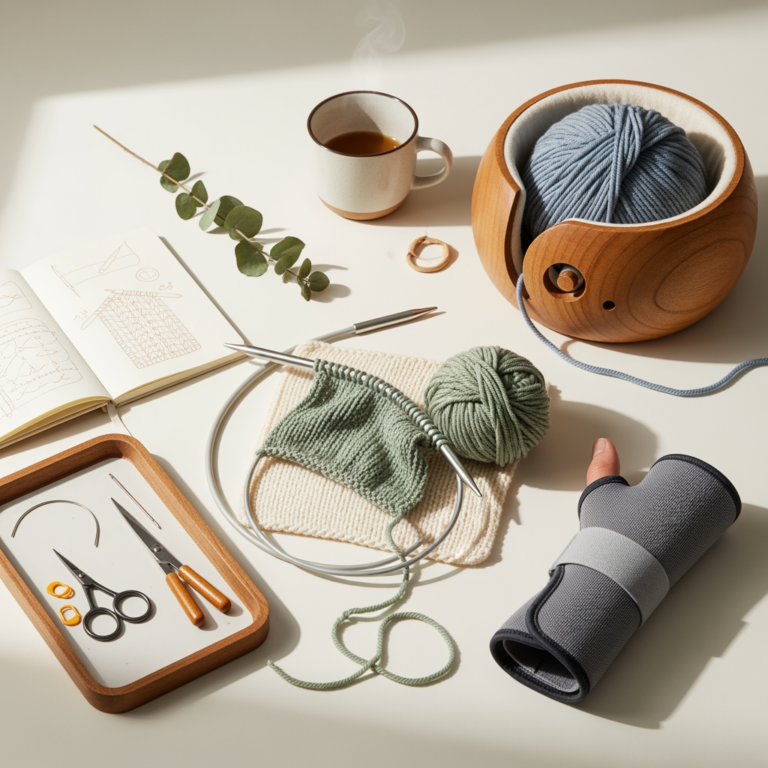
A yarn bowl is a classic investment, and Furls Fiberarts produces pieces that are as much about aesthetics as they are about utility. These bowls are carved to be heavy and smooth, ensuring they don’t slide around as you pull your yarn.
The deep spiral cut-out is the key feature, allowing you to keep your yarn contained while easily swapping colors or changing projects. It’s a beautiful way to organize your workspace, turning your knitting station into a curated studio.
While these are a higher-end purchase, the durability of high-quality wood means this is a tool that will last a lifetime. If you want a piece that feels special every time you pick up your needles, this is the gold standard.
Lacis Wooden Yarn Ball Winder: Best for Beginners
Many beginners start with hand-wound balls, which often result in uneven tension and tangles. The Lacis wooden winder is a sturdy, reliable tool that transforms a loose hank of yarn into a neat, center-pull cake.

A center-pull cake is the ultimate beginner hack because it feeds from the inside out, preventing the ball from bouncing around your lap. This winder is straightforward to operate, even for those who aren’t mechanically inclined.
Investing in a winder early on saves you hours of detangling time over the course of your knitting career. It is an essential piece of equipment that makes every project start on the right foot.
Brittany Needles Wooden Yarn Guide: Simple and Sleek
Brittany Needles is a staple in the knitting community, known for their commitment to sustainable, high-quality wood. Their yarn guide is a simple, elegant solution for those who prefer a low-profile tool.
It doesn’t try to do too much; it simply provides a smooth pathway for your yarn to travel from the source to your hands. This lack of clutter is perfect for a beginner who might feel overwhelmed by complex gadgets.
Because it is made from high-quality birch, it has a natural, warm feel that plastic tools simply cannot replicate. It’s a minimalist choice that focuses on the tactile experience of knitting.
Cedar Creek Handcrafted Yarn Guide: Best Natural Wood
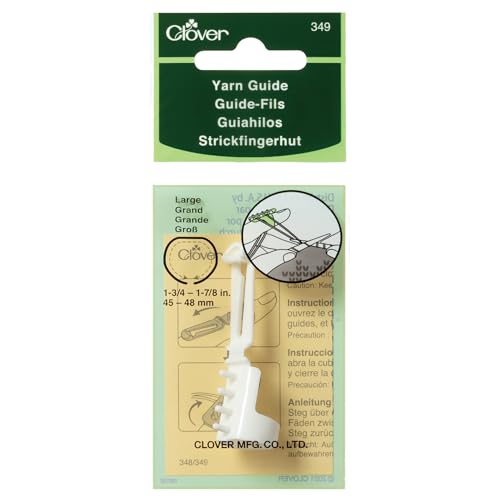
Cedar Creek tools are often handcrafted, offering a unique grain and finish that makes every piece one-of-a-kind. The natural wood has a slight "grip" that helps prevent yarn from slipping off too quickly, which is helpful for beginners learning to control their tension.
The organic nature of these tools means they are gentle on your hands and your yarn. If you work with delicate natural fibers like alpaca or merino, the smooth, hand-sanded finish ensures no snagging or fiber breakage.
Choosing a handcrafted guide is a way to support artisan craft while improving your own knitting setup. It’s a beautiful, functional tool that brings a bit of nature into your daily practice.
Why Beginners Benefit from Using a Yarn Guide Tool
- Consistent Tension: Guides provide a uniform path, preventing the "tight-loose-tight" cycle common in beginners.
- Reduced Fatigue: You spend less energy managing the yarn ball, allowing you to focus on stitch formation.
- Tangle Prevention: By controlling the feed, you avoid the dreaded mid-row knot.
- Improved Posture: You aren’t constantly reaching or leaning to grab a rolling ball of yarn.
Wood Versus Plastic: Choosing Your Knitting Notions
When choosing between wood and plastic, consider the tactile experience. Wood has a natural warmth and a slight texture that can "grab" slippery yarns like silk or bamboo, providing more control.
Plastic, while often cheaper and lighter, can sometimes feel static-prone, which causes yarn to cling to the tool. However, plastic is often easier to clean if you happen to spill tea on your workstation.
Ultimately, wood offers a more sensory experience that connects you to the history of the craft. If you plan to knit for years, the way wood ages and develops a patina is a rewarding bonus.
How to Properly Maintain Your Wooden Knitting Tools
Wooden tools are durable, but they do appreciate a little care to keep them from drying out or splintering. Every few months, consider applying a light coat of food-safe mineral oil or a dedicated wood wax to keep the surface smooth.
Keep your wooden tools away from extreme heat sources, like radiators, which can cause the wood to warp or crack. If you notice a rough spot developing, a light sanding with a high-grit sandpaper will restore it to its original, snag-free state.
Treat your tools with the same respect you give your finished garments, and they will serve you for decades. A well-maintained tool is the hallmark of a seasoned knitter.
Choosing the right yarn guide is a personal journey that evolves as your skills and project types change. Whether you prioritize the portability of a dispenser or the classic beauty of a wooden bowl, the goal remains the same: making your knitting experience more fluid and enjoyable. Don’t be afraid to try different styles until you find the one that fits your unique rhythm. Happy knitting, and may your yarn always flow as smoothly as your stitches.