6 Best Tailor Shears For Cutting Interlining
Selecting the right shears for interlining is vital for precision. We review the top six models that offer clean cuts, durability, and ergonomic comfort.
Achieving a professional finish on a structured garment often requires the hidden support of interlining, which demands precise cutting to ensure the fabric hangs correctly. Just as choosing the wrong needle size can ruin a delicate lace project, using dull or improper shears will fray your interlining and compromise your final garment. These six recommendations are curated for those who understand that the quality of your tools directly dictates the quality of your craft. Investing in high-quality shears is the secret to moving from "homemade" to "hand-crafted" perfection.
Gingher 8-Inch Knife Edge Dressmaker Shears


Gingher shears are the industry standard for a reason: that legendary knife-edge grind. When you are working with slippery silk interlining or heavy-duty canvas, these blades slice through without pushing the fabric aside.
The weight balance is superb, which helps prevent hand fatigue during long cutting sessions. If you’ve ever felt your wrist ache after trimming a complex pattern piece, you’ll appreciate how these shears do the heavy lifting for you.
However, keep in mind that these are precision instruments that require a bit of TLC. They are not meant for cutting paper, which will dull that razor-sharp edge in a heartbeat.
Kai 7250 Professional 10-Inch Tailor Shears

If you are working with thick, multi-layered interlining, the Kai 7250 is a powerhouse. The vanadium stainless steel construction provides a hardness that holds an edge significantly longer than standard steel.
The 10-inch length offers a longer cutting stroke, which is vital for long, straight seams on tailored coats. You’ll find that the ergonomic handle allows for a comfortable grip even when you are cutting through dense, stiff interfacing materials.
The trade-off here is the size; they can feel slightly cumbersome if you have smaller hands or are cutting intricate curves. For straight, clean lines on heavy-weight interlining, though, they are hard to beat.
Wiss W20W Industrial Strength Tailor Shears

Wiss shears are the workhorses of the sewing world, built to withstand the rigors of a busy tailoring studio. These are forged from heavy-duty steel and designed for those who treat their tools as lifelong companions.
Their industrial nature means they are slightly heavier, which provides a satisfying, stable feel when cutting through bulky interlining. They don’t shy away from thick, fused fabrics that would make lesser scissors skip or chew.
Just be aware that they require a bit more "break-in" time to achieve that buttery smooth action. Once they are accustomed to your hand, they become an extension of your creative process.
LDH Scissors Midnight Edition Fabric Shears
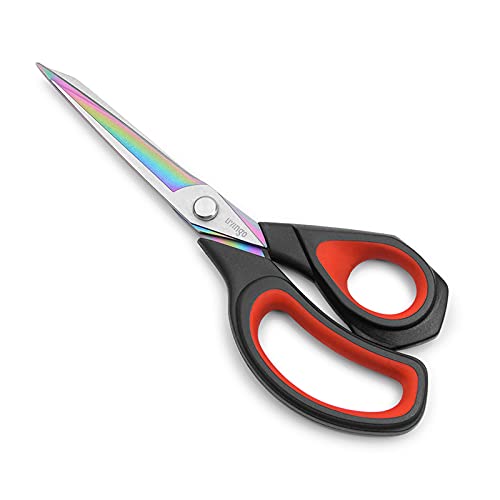
The LDH Midnight Edition is a beautiful marriage of form and function, featuring high-carbon steel that stays sharp for an impressive duration. Their aesthetic appeal is a bonus, but the real value lies in the precision of the pivot point.
These shears excel at cutting fine, lightweight interlining that tends to fray easily. The blades meet with such exactitude that you won’t experience the "chewing" that often ruins delicate interfacing edges.
If you value a tool that is as beautiful as it is functional, these are a top contender. Just remember to keep them wiped clean and oiled to protect that high-carbon steel from moisture.
Mundial Classic Forged 8-Inch Tailor Shears

Mundial has been a staple in sewing kits for decades because they offer reliable performance at a fair price point. Their forged steel construction ensures that the blades maintain their alignment even after years of use.
These are an excellent "all-rounder" for the knitter who also dabbles in garment construction. They handle medium-weight interlining with ease and are nimble enough to navigate around tight corners on a pattern.
They are less specialized than the industrial options, but for most home projects, they offer the perfect balance of agility and strength. They are a solid investment for anyone building their permanent tool kit.
Sewline Fabric Shears for Precision Cutting

Sewline shears are designed with the modern maker in mind, focusing on lightweight materials and ergonomic handles. If you find heavy industrial shears to be too taxing on your joints, these are a fantastic alternative.
They are particularly effective for cutting fusible interlining, as the blade coating often resists adhesive buildup. A clean blade is essential, as sticky residue can cause your shears to drag and create jagged edges.
While they may not have the sheer mass of an industrial shear, their precision is unmatched for detailed work. They are a great choice for those who prioritize comfort without sacrificing a clean cut.
Understanding Interlining Weights and Cutting
Not all interlining is created equal, and your choice of shear should shift based on the fiber density. Lightweight fusible weaves require a sharp, fine point, while heavy-duty non-woven hair canvas demands a shear with more blade mass.
When you cut interlining, always ensure your fabric is laid perfectly flat. Any tension in the fabric during the cutting process will result in distorted pieces, which will eventually cause your garment to pull or pucker.
- Lightweight: Use fine-tipped shears to avoid fraying.
- Medium-weight: Standard forged shears work best.
- Heavy-weight: Opt for long-bladed, industrial-strength shears.
Essential Tips for Maintaining Shear Sharpness
The golden rule of tailoring is simple: never, ever use your fabric shears for anything other than fabric. Even a single cut through paper can introduce micro-nicks that ruin the blade’s ability to slice through soft interlining.
Regularly wipe your blades with a soft, dry cloth to remove lint and dust. If you use fusible interlining, keep a small amount of rubbing alcohol on hand to gently clean any adhesive residue off the blades.
Finally, have your shears professionally sharpened by someone who understands the specific "knife-edge" grind. A generic hardware store sharpener will likely ruin the precise geometry of your tailor shears.
How to Properly Grip Shears for Clean Edges
Many beginners make the mistake of trying to "push" the shears through the fabric. Instead, let the blades do the work by using a smooth, sliding motion while keeping the bottom blade flat against the cutting surface.
Your thumb should provide the downward pressure, while your fingers provide the upward lift. This creates a "shearing" action that keeps the fabric from lifting off the table, ensuring the most accurate cut possible.
If you find yourself stopping and starting mid-cut, you are more likely to create "steps" or jagged edges. Practice long, continuous strokes to keep your interlining edges clean and professional.
Safety Guidelines for Storing Tailor Scissors
Tailor shears are heavy and razor-sharp, making them a hazard if left haphazardly on a cutting table. Always store them in a dedicated sheath or a padded drawer to protect the blades from being bumped or dulled.
If you have children or pets, keep your shears in a locked cabinet or a high, out-of-reach area. A sharp pair of shears is a professional tool, and treating them with respect is part of being a serious fiber artist.
Never leave your shears open on your workspace, even for a moment. Closing them when you step away is the best habit you can cultivate to protect both your blades and your fingers.
Selecting the right tailor shears is an investment in the longevity and quality of your sewing projects. By matching the weight of your interlining to the strength of your tool, you ensure that every cut contributes to a professional-grade result. Treat these shears with the same respect you give your finest knitting needles, and they will serve you faithfully for decades. Happy cutting, and may your seams always lie perfectly flat.