7 Best Yarn Tensioners For Consistent Cakes To Try
Achieve perfect yarn cakes with these 7 top-rated tensioners. Discover which tools offer the best control and consistency for your next fiber arts project.
Achieving the perfect yarn cake is the secret weapon of every organized knitter. When your yarn is wound with uneven tension, it can lead to frustrating tangles or, worse, inconsistent gauge in your finished garment. Using a dedicated tensioner ensures that every yard flows smoothly from your swift to your winder. This guide explores the best tools to help you master your stash and prepare for your next project with confidence.
Stanwood Needlecraft Yarn Ball Winder Tensioner


The Stanwood tensioner is a staple in many studios for a reason: it is built like a tank. If you frequently wind large, heavy skeins of worsted or bulky wool, you need a device that won’t buckle under the weight.
This tensioner uses a series of discs that apply consistent pressure to the yarn strand. By controlling the feed, it prevents the "spongy" cakes that often collapse after a few days on the shelf.
The primary trade-off here is size; it requires a dedicated spot on your table. However, for those winding high-yardage lace weight or delicate hand-dyed yarns, the stability is worth every inch of desk space.
Nancy’s Knit Knacks Yarn Tensioner Guide
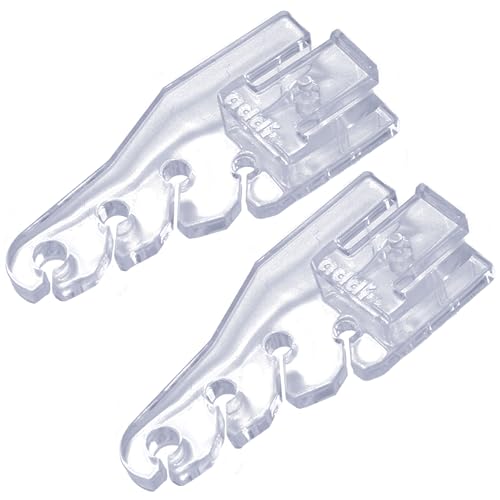
Nancy’s Knit Knacks products are designed by people who clearly spend a lot of time at the wheel. Their tensioner guide is particularly effective for those who struggle with yarn "jumping" off the winder during high-speed operation.
This tool is exceptionally versatile, handling everything from cobweb-thin silk to heavy cotton blends. It provides a smooth, drag-free path that minimizes the friction that can sometimes fuzz up delicate fibers like mohair.
If you find that your yarn cakes are winding too loosely, this guide allows you to add subtle resistance. Just remember that with very delicate fibers, less is often more to avoid stretching the yarn beyond its elasticity.
Lacis Yarn Tensioner for Consistent Winder

Lacis has long been a trusted name for specialized fiber tools, and their tensioner is no exception. It is a straightforward, no-nonsense device that excels at keeping the yarn path centered.
The beauty of this model lies in its simplicity. It is easy to thread, which is a massive relief when you are winding multiple skeins for a large sweater project and want to avoid unnecessary downtime.
While it lacks the heavy-duty adjustments of more expensive units, it is perfect for the average knitter. It provides just enough resistance to keep a cake firm without requiring a degree in mechanical engineering to set up.
Fiber Artist Supply Co. Tensioner Attachment
This attachment is a favorite among makers who prefer a minimalist, wooden aesthetic in their craft space. It integrates beautifully with many standard winder setups, providing a clean, professional look.
The wood construction is smooth and finished well, ensuring no snagging on delicate fibers. It is a fantastic choice if you work primarily with natural fibers like wool or alpaca, as the material is gentle on the yarn surface.
Be mindful that wooden tools require a bit of care. Keep them away from high-moisture areas to prevent warping, which could eventually affect how the yarn glides through the tensioning mechanism.
Ashford Yarn Tensioner for E-Winder Models

If you have upgraded to an electric winder, you know that speed can be your enemy if the yarn isn’t controlled. The Ashford tensioner is specifically engineered to handle the rapid pace of an E-Winder.
The tensioning mechanism is highly responsive, reacting instantly to changes in yarn thickness. This is crucial when winding hand-spun yarn, which often features natural variations in ply and diameter.
Without a robust tensioner on an electric winder, you risk creating a cake that is too tight at the core. This can actually "kill" the loft of your yarn, making your finished knitting look flatter than intended.
Woolery Adjustable Yarn Tensioner Device

The Woolery’s offering is all about precision control. It features an adjustable dial that allows you to fine-tune the drag, which is a game-changer for those who switch between different yarn weights.
For instance, when winding a slick, superwash merino, you need slightly more tension to keep the cake from slipping. Conversely, when working with a sticky, rustic wool, you want to dial that tension back to prevent over-stretching.
This device is a must-have for the knitter who keeps a diverse stash. It removes the guesswork, allowing you to replicate the exact same cake density across different fiber types.
Strauch Fiber Equipment Yarn Tensioner Tool
Strauch is the gold standard for those who take fiber preparation seriously. Their tensioner is heavy, reliable, and designed to last a lifetime of heavy-duty winding.
It is particularly effective at managing yarn that has a high twist. If you have ever had a cake "pop" off the winder because the yarn was fighting back, this is the tool that will solve your problem.
While it represents a significant investment, it is an essential tool for those who process raw fleece or wind large amounts of commercial yarn. It turns a chore into a seamless, satisfying experience.
Why Consistent Tension Matters for Yarn Cakes

Consistent tension is not just about aesthetics; it is about the structural integrity of your yarn. When a cake is wound too tightly, the fibers are under constant stress for the duration of your project.
This can lead to a loss of elasticity, which is especially detrimental for ribbing or socks. If your yarn is stretched while on the cake, it will "relax" into your knitting, potentially causing your gauge to change as you reach the end of the ball.
Conversely, a cake that is too loose will tangle the moment you pull it from your bag. Aim for a cake that feels firm to the touch, like a ripe piece of fruit, but still has a slight "give" when pressed.
How to Properly Calibrate Your Yarn Tensioner
Calibration is all about finding the "sweet spot" for your specific yarn. Start by threading your yarn through the tensioner and winding a small test cake of about 10 yards.
If the yarn feels like it is dragging or the winder is struggling to turn, loosen the tension setting immediately. If the yarn is loose enough to slide off the cake, tighten the discs or the spring mechanism.
Always test on a small amount of yarn first. Never calibrate using your entire skein, as you don’t want to spend time unwinding a poorly tensioned cake if your first attempt isn’t perfect.
Troubleshooting Common Yarn Winding Issues
If your yarn keeps jumping out of the tensioner, check your alignment. The yarn should flow in a straight line from the swift, through the tensioner, and onto the winder cone.
- Fuzzy yarn? Check for rough spots or burrs on your tensioner discs.
- Tangles? Ensure your swift is spinning freely and isn’t fighting the winder.
- Uneven cakes? Your yarn path might be hitting the winder at an angle.
If you are winding a delicate yarn, consider using a slightly lower tension setting and winding at a slower speed. Patience is the ultimate tool in any knitter’s kit, and your yarn will thank you for it in the long run.
Mastering the art of the yarn cake is a hallmark of a thoughtful knitter who values their materials. By choosing the right tensioner and taking the time to calibrate it, you preserve the life and bounce of your favorite fibers. Whether you are winding a single skein for a pair of socks or a dozen for a sweater, these tools provide the consistency needed for professional results. Keep your tension steady, your yarn happy, and your needles clicking.