7 Best Cord Connectors For Creating Long Circulars
Extend your knitting reach with our top 7 cord connectors. Learn how these essential tools securely link cables to create seamless, extra-long circulars.
Every knitter eventually faces the challenge of needing more length than their current cable allows, especially when working on expansive circular projects like heavy blankets or large shawls. Connecting two cords together is the perfect solution, but not all connectors are created equal in terms of reliability and smoothness. Choosing the right hardware ensures your stitches glide effortlessly across the join without catching or coming undone mid-row. This guide breaks down the best options on the market to keep your knitting flow uninterrupted.
ChiaoGoo Stainless Steel Cable Connectors


ChiaoGoo connectors are renowned for their precision engineering, reflecting the brand’s reputation for high-quality stainless steel tools. These connectors are specifically designed to thread securely into their signature red cables, creating a join that feels virtually seamless.
Because they are made of steel, they provide a rigid, durable link that won’t bend or warp over time. This is particularly beneficial if you tend to knit with a heavy hand or are working with dense, worsted-weight wools that pull on the cable.
The primary tradeoff here is the weight; they are slightly heavier than plastic alternatives, which can be felt if you are connecting multiple cords for an extremely long circular. However, for most projects, the unrivaled security of the metal-on-metal threading makes them the gold standard for long-term reliability.
KnitPicks Options Interchangeable Connectors

KnitPicks offers a straightforward, functional solution that has been a staple in many knitter’s project bags for years. These connectors are designed to bridge two cables, allowing you to create custom lengths for sweaters or large-scale circumference projects.
The key advantage is their affordability and accessibility, making them an excellent entry point for newer knitters. They are lightweight and generally unobtrusive, which helps maintain the balance of your needle tips while you work.
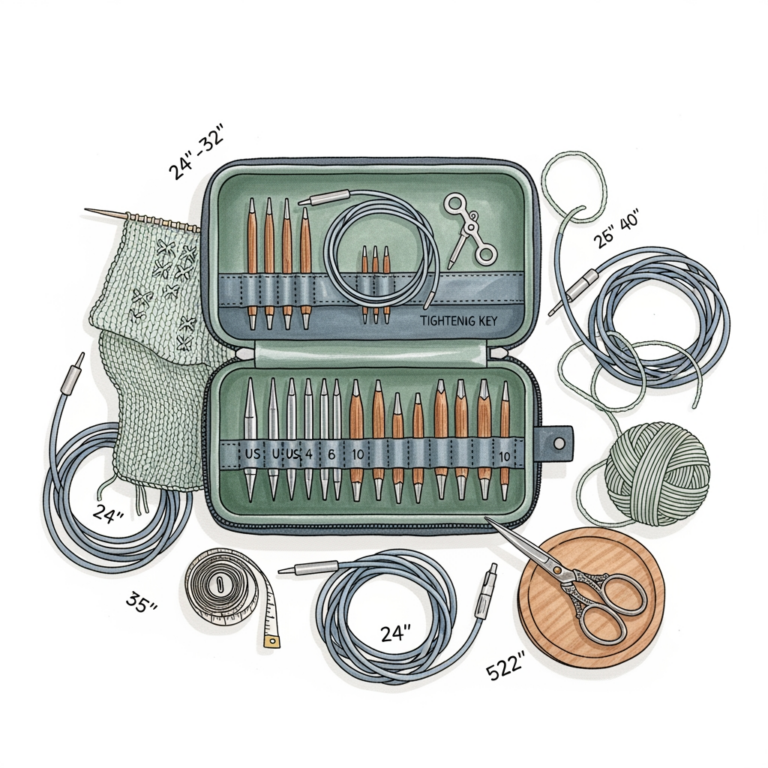
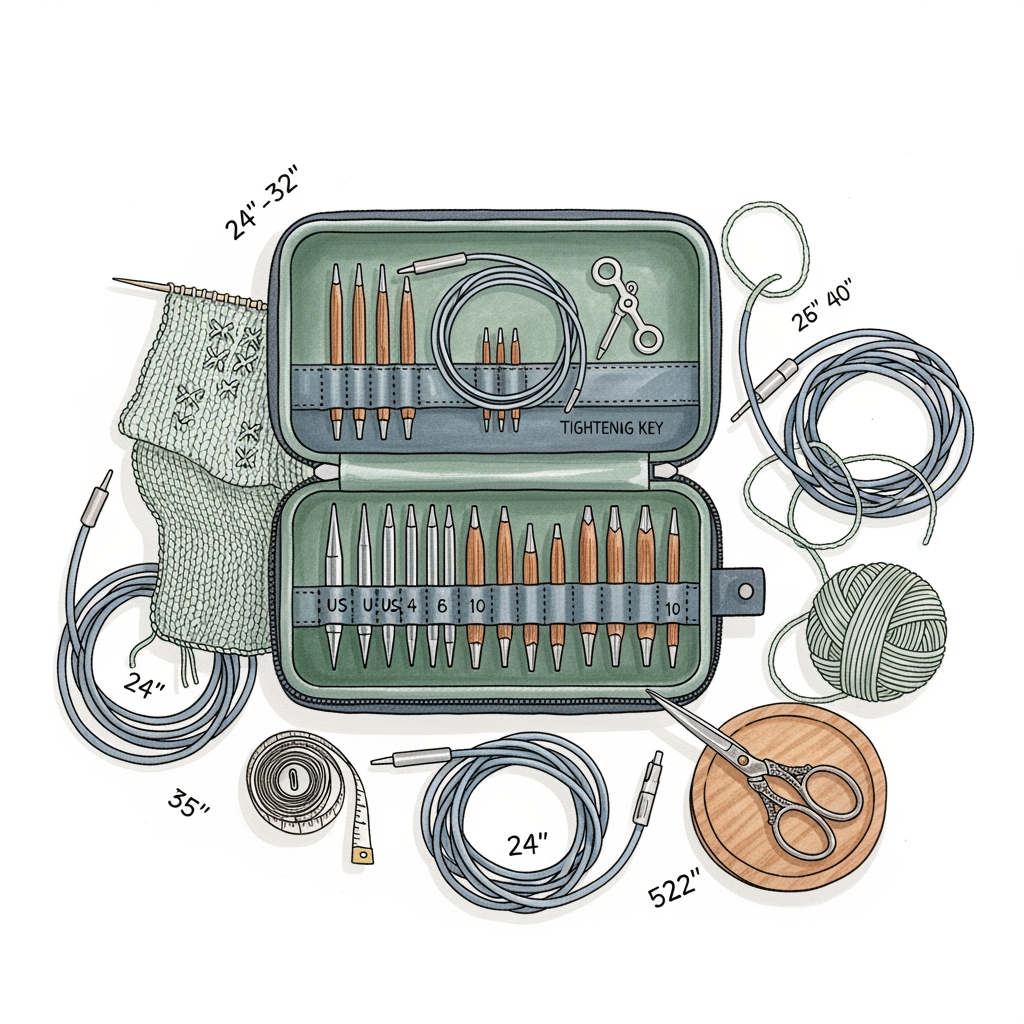
Keep in mind that these require a firm hand when tightening with the included key. If you don’t secure them properly, the join can loosen over time, leading to the dreaded "stitch-drop" nightmare. Always use the tightening key rather than just hand-tightening to ensure the threads are fully seated.
Lykke Interchangeable Cord Connector Set

Lykke connectors are designed with an aesthetic and functional elegance that matches their popular driftwood and bamboo needle lines. They provide a smooth transition that works exceptionally well with natural fibers like wool, alpaca, or silk.
The connectors are finished to be smooth and snag-free, which is vital when working with delicate, multi-ply yarns that might otherwise catch on a rough join. They feel warm in the hand and don’t add significant weight to your project.
While they are beautiful, they are perhaps best suited for medium-weight projects rather than extremely heavy, bulky-weight blankets. If you are working with very slippery synthetic yarns, ensure you check the join periodically, as the smooth finish can sometimes allow for subtle rotation during intense knitting sessions.
HiyaHiya Interchangeable Needle Connectors

HiyaHiya is famous for their swivel technology, and their connectors reflect that same commitment to fluid movement. These connectors are ideal for knitters who find that their cables get twisted and tangled during long, circular knitting sessions.
The design allows the needle tips to rotate freely, which significantly reduces the strain on your wrists during long hours of work. This is a game-changer for those tackling large projects like a full-size afghan or a complex lace circular shawl.
The only downside is that they can be slightly more complex to manage than a simple fixed connector. Practice the assembly before you start your project to ensure you understand the specific locking mechanism, as it differs slightly from standard screw-in types.
Addi Click System Cord Connector Pieces

The Addi Click system is entirely unique because it uses a "push-and-twist" locking mechanism rather than traditional screw-in threads. This eliminates the need for keys or pins, which is a massive relief for knitters who frequently lose their tools.
Because there are no threads to wear out, these connectors are incredibly durable and maintain their integrity over years of heavy use. They provide a very secure, audible "click" that confirms your cable is locked in place.
Be aware that these are proprietary to the Addi system and won’t work with other brands. If you are already invested in the Addi ecosystem, these are the most efficient and reliable connectors you can use for extending your cable length.
Knitter’s Pride Mindful Cord Connectors

The Mindful collection focuses on a smooth, snag-free experience that caters to the meditative side of knitting. These connectors are designed to be as unobtrusive as possible, ensuring that your focus remains on the rhythm of your stitches.
They feature a sleek finish that allows stitches to slide over the connector point with minimal resistance. This is particularly helpful when you are working with lace-weight yarns that are prone to catching on even the smallest imperfections.
They are a fantastic mid-range option that balances durability with a gentle, user-friendly design. If you struggle with hand fatigue, the lightweight nature of these connectors will be a welcome addition to your kit.
Denise Interchangeable Cord Joiners
Denise needles use a unique, plastic-based locking system that is distinct from the metal screw-in styles found elsewhere. Their cord joiners are simple, effective, and perfectly color-coded to match their system, making them very easy to use.
These are excellent for knitters who prefer working with synthetic or lightweight needles and want a system that is easy to assemble on the fly. They are also very gentle on your hands, as there are no sharp metal edges or tiny threads to fumble with.
Because they are plastic, they are not as rigid as steel connectors. If you are knitting a project that is exceptionally heavy, be mindful of the stress placed on the join; however, for standard garment knitting, they are remarkably reliable and easy to manage.
Tips for Ensuring a Secure Cable Connection
The most common point of failure for any connector is the "human factor"—specifically, not tightening the connection enough. Always use the tightening tool provided with your set to ensure the threads are fully engaged.
Check your joins every few rows, especially if you are working on a project with a lot of weight, such as a large sweater or a heavy wool blanket. Gravity and the constant movement of your needles can cause slow, incremental loosening that you might not notice until a stitch slips off.
Finally, consider using a small bit of beeswax on the threads if you find they are prone to unscrewing. This provides just enough "tack" to keep the connector in place without making it impossible to unscrew when you are finally ready to change your cable length.
How to Prevent Snags at the Connector Point
Even the best connectors can create a slight ridge where the cable meets the metal. To prevent your yarn from catching, ensure that your cable is pushed firmly into the connector until it sits flush against the shoulder of the piece.
If you are working with very thin, delicate lace yarn, consider wrapping a tiny piece of clear, low-tack tape around the join. This creates a perfectly smooth transition that prevents even the finest fibers from getting stuck in the microscopic gap between the connector and the cable.
Always inspect your connector for burrs or rough spots before you start a new project. If you find a snag, a quick pass with a fine-grit emery board or a nail buffer can smooth it out instantly, saving your yarn from unnecessary fraying.
Troubleshooting Common Interchangeable Issues
If your connector keeps unscrewing, it is almost always due to the way you hold your needles. If you have a habit of "flicking" or twisting your needles while you knit, you may be inadvertently unscrewing the connection with every stitch.
Try to adjust your grip to be slightly more neutral, or consider switching to a connector that features a swivel mechanism. If you find your cable is kinked or twisted, soak it in warm water for a few minutes to relax the plastic, which will take the tension off the connector join.
Remember that interchangeable systems are tools, and they require maintenance just like any other piece of equipment. If a thread seems stripped or a connector is bent, replace it immediately; the cost of a new connector is far less than the cost of losing a lace project to a broken cable join.
Building the perfect circular needle setup is all about matching the right connector to your specific project and knitting style. By focusing on secure joins and smooth transitions, you can turn any set of cables into the perfect length for your next masterpiece. Don’t be afraid to experiment with different brands until you find the one that feels most natural in your hands. Happy knitting, and may your joins always stay tight and your stitches glide with ease.