6 Best Project Tracking Journals For Gift Knitting
Keep your gift knitting organized with our top six project journals. Track patterns, yarn specs, and deadlines effortlessly with these essential tools for knitters.
Knitting a gift is a profound act of love, but the logistics of tracking yarn yardage, needle sizes, and recipient preferences can quickly become overwhelming. Without a dedicated system, you risk losing track of crucial details that make a handmade gift truly replicable or fixable. These six journals offer structured ways to document your process, ensuring your gift knitting remains a joy rather than a source of stress. Whether you are a casual hobbyist or a dedicated gift-maker, finding the right recording method will transform your craft.
The Knit Note: Best Overall Project Journal
The Knit Note stands out because it balances technical data with enough space for personal reflection. It treats your knitting as a living document, which is vital when you are working on multiple gifts simultaneously.
This journal excels by including dedicated sections for yarn swatches and project timelines. If you are knitting a sweater for a friend, you can tape a small snippet of the yarn directly into the page to track how the fiber softens after a soak.
The trade-off here is the size; it is robust and not meant to be tossed into a small project bag. However, for the knitter who wants a permanent record of every gift, the durability of this journal is unmatched.
Mindful Making: The Ultimate Knitting Planner
Mindful Making approaches the craft as a holistic practice rather than just a checklist of rows. It is designed for the knitter who wants to track their progress alongside their mental state during the gift-making process.
It features excellent organizational prompts that help you map out deadlines for birthday or holiday gifts. This prevents the "last-minute panic" that often leads to dropped stitches or uneven tension.
Be aware that this planner is quite structured. If you prefer a blank notebook where you can freestyle your notes, this might feel too prescriptive. But for those who struggle with project management, this is a game-changer.
Knitting Journal by Potter Craft: Best Value
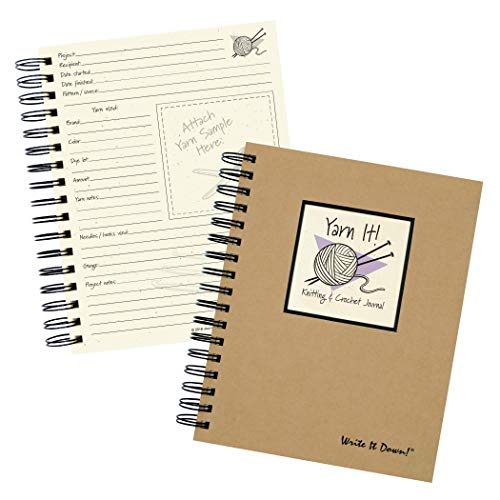

Potter Craft offers a straightforward, no-nonsense approach to project tracking that fits perfectly into most knitting bags. It is an affordable entry point for knitters who are just starting to document their gift-making journey.
The layout is clean and intuitive, focusing on the essentials: needle size, yarn brand, and gauge. It doesn’t overwhelm you with unnecessary prompts or complex charts that you might never use.
While it lacks some of the advanced features of premium planners, it provides exactly what you need to keep your gift list organized. It is the perfect choice for the knitter who values simplicity and portability.
The Knitter’s Year: Best for Gift Planning
The Knitter’s Year is specifically engineered for the seasonal maker who plans their gift projects months in advance. It includes calendar-style pages that help you pace your knitting so you aren’t rushing on Christmas Eve.
It is particularly useful for tracking recurring gifts, like annual baby blankets or birthday scarves. You can look back at previous entries to see exactly how much yarn you used last time, saving you from guessing on your next purchase.
The trade-off is that it is heavily calendar-focused. If your gift knitting is sporadic or unplanned, you might find the date-specific pages less useful than a project-based journal.
Fringe Association: Best Minimalist Journal
If you believe that the knitting should speak for itself, the Fringe Association journal is your best companion. It is elegant, understated, and provides just enough structure to keep your data organized without cluttering your thoughts.
The design is focused on the "why" and "how" of your knitting. It encourages you to note the specific fiber properties, such as whether the yarn is a high-twist wool or a soft, delicate alpaca, which is essential for future care instructions.
This journal is ideal for the minimalist who wants a clean record of their work. It is not designed for those who need heavy guidance or complex project management tools.
My Knitting Project: Best for Organization

My Knitting Project is designed for the knitter who manages multiple complex gifts at once. It uses a modular system that allows you to track individual components of a project, such as colorwork charts or complex cable repeats.
The organization is top-tier, making it easy to identify which needle size you used for a specific project weeks after you’ve put it down. This is critical for gift knitting, where you might be working on several different items over a long period.
It is a larger format journal, which means it is better for a home studio than a travel bag. If you do most of your knitting at a dedicated desk or chair, this is the most effective tool for staying organized.
Why Tracking Your Gift Knitting Is Essential
Tracking is not just about record-keeping; it is about accountability and future-proofing your work. When you gift a hand-knit item, you are gifting a piece of your time and skill, and documenting it ensures that gift can be cared for properly.
If you don’t track your yarn choice, you might forget if the item is machine-washable or requires delicate hand-blocking. A journal allows you to leave a "care card" for the recipient, which adds immense value to the final gift.
Furthermore, tracking helps you learn from your mistakes. If a gift sweater turns out too small, your notes will tell you exactly what your gauge was, helping you avoid that same error on the next project.
Key Features to Look for in a Knitting Journal
When choosing a journal, consider how you actually knit. Do you work in a quiet room with a desk, or do you knit on the train with a small pouch of notions?
- Portability: Does it fit in your project bag?
- Swatch Space: Is there a dedicated area to tape or glue a small piece of yarn?
- Gauge Tracking: Are there clear fields for needle size, yarn weight, and stitch count?
- Recipient Notes: Is there space to jot down preferences, like favorite colors or fiber sensitivities?
Don’t prioritize aesthetic over function. A beautiful journal that is too cumbersome to carry will eventually sit empty on your shelf.
How to Log Fiber Details for Future Reference
Fiber knowledge is the secret to a successful gift. When you log your yarn, don’t just write the brand name; note the specific properties that might affect the finished object’s longevity.
- Ply: A high-ply yarn is usually more durable for socks.
- Fiber Blend: Note if it’s superwash (machine-friendly) or rustic wool (needs hand washing).
- WPI (Wraps Per Inch): If you lose the label, your WPI notes will help you determine the yarn weight for future projects.
Always include the dye lot number if you are using multiple skeins. This is a lifesaver if you realize halfway through a gift that you need one more ball of yarn to finish the project.
Tips for Organizing Your Gift Knitting Projects
Start by keeping a "Gift Master List" at the front of your journal. This list should include the recipient, the project idea, and the deadline, updated as you make progress.
Use a system of colored tabs or stickers to mark projects that are in progress versus those that are finished. This visual cue helps you prioritize your time when deadlines are approaching.
Finally, be honest about your speed. If a complex lace shawl takes you two months, don’t commit to knitting three of them for Christmas. Use your journal to track your actual progress, not your aspirational speed.
Choosing a project journal is a personal investment in your creative journey. By documenting your gift-knitting process, you move from simply making items to creating a reliable, professional-grade archive of your work. Each of these six journals offers a different path to organization, so select the one that aligns with your specific habits and workspace. Happy knitting, and may your future gifts be as well-documented as they are well-loved.