6 Best Yarn Guides for Smooth Winding to Try
Master yarn winding with our top six guides. Learn essential techniques to prevent tangles and ensure smooth, consistent tension for every knitting project.
There is nothing quite as satisfying as turning a chaotic, tangled hank of hand-dyed wool into a neat, center-pull cake that glides off your needles. However, a poor winding experience can stretch your precious fibers or lead to frustrating knots mid-project. Choosing the right winder is the difference between a meditative prep session and a total fiber disaster. This guide breaks down the best tools to ensure your yarn stays pristine from the hank to your finished garment.
Stanwood Needlecraft Large Metal Yarn Ball Winder


If you frequently work with bulky weight yarns or large 100-gram hanks, this winder is the gold standard for durability. Unlike plastic models that can flex under the tension of heavy wool, the metal construction provides a rock-solid base that won’t wobble on your table.
The large capacity allows you to wind substantial yardage without stopping to reset. It is a favorite among those who hate having multiple small balls for a single sweater project.
However, keep in mind that its size requires a dedicated workspace. If you live in a small apartment or share a craft table, the footprint might be more than you bargained for.
Knit Picks Yarn Ball Winder for Smooth Tension
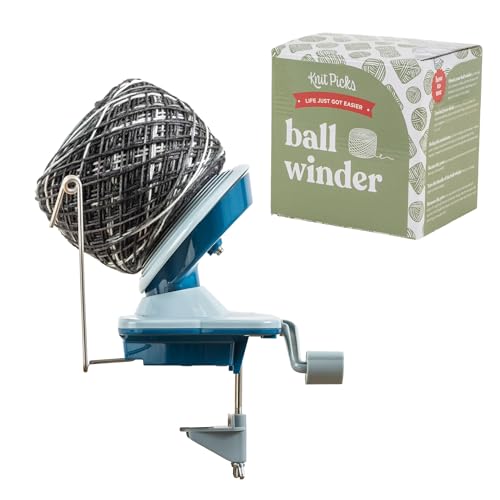
This is the quintessential "first winder" for many knitters, and for good reason. It is compact, affordable, and provides a consistent wind that is perfect for standard fingering or DK weight yarns.
The tension guide is surprisingly intuitive, helping you avoid the "yarn barf" that happens when a cake is wound too loosely. It’s perfect for someone who primarily knits socks or baby garments and doesn’t need to process massive amounts of yarn at once.
Be aware that the plastic gears can wear down after several years of heavy use. Treat it kindly, avoid forcing the handle if the yarn snags, and it will serve you well for many seasons.
Lacis Yarn Ball Winder with Heavy Duty Gearings

When you move into professional-grade winding, Lacis is a name that commands respect. The heavy-duty gearing is designed for high-volume use, making it ideal for knitters who often buy yarn in large cones or bulk hanks.
The mechanical advantage here means you can wind a cake with very little physical effort. It handles slippery fibers like silk or bamboo blends much better than entry-level models because it maintains a more uniform speed.
It is an investment piece, certainly. But if you find yourself winding yarn for a local guild or a large collaborative project, the time saved is well worth the price tag.
ChiaoGoo Yarn Ball Winder for Precision Winding

ChiaoGoo is beloved for their needle quality, and their winder carries that same reputation for precision. This tool excels at creating perfectly shaped cakes that sit flat on your table without rolling away.
The winding mechanism is incredibly smooth, which is vital when working with delicate, high-twist yarns that might snap under erratic tension. It provides a level of control that allows the yarn to "breathe" while remaining compact.

If you are a perfectionist about your stash organization, this is the tool for you. Just ensure you clean the gears occasionally to keep that precision movement buttery smooth.
Fiber Artist Supply Co. Jumbo Yarn Ball Winder
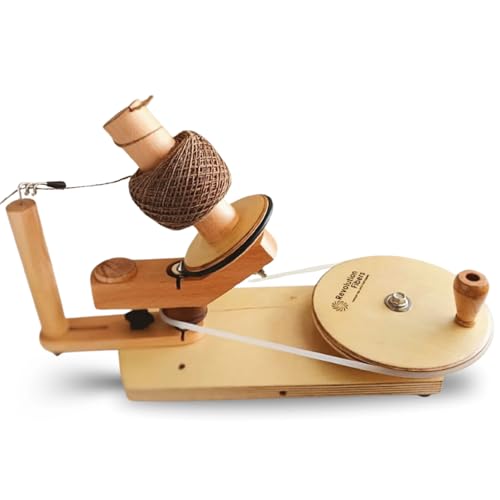
For those who knit with massive quantities of yarn—think heavy-duty rug wool or entire sweater quantities of worsted weight—this jumbo winder is a powerhouse. It is constructed from high-quality wood, which adds a lovely aesthetic to your craft space.
The sheer size of the cakes it produces is impressive, often holding up to a full pound of yarn. This is a game-changer for colorwork projects where you want to avoid constant join-ins.
Because it is a manual, heavy-duty tool, it requires a bit of physical coordination to get the rhythm right. Once you find your pace, it is arguably the most efficient way to process large quantities of fiber.
Nancy’s Knit Knacks Heavy Duty Yarn Ball Winder
This winder is engineered for the serious fiber enthusiast who wants a tool that lasts a lifetime. The build quality is exceptional, featuring components that feel substantial and secure during the entire winding process.
It is particularly effective at handling "difficult" yarns, such as single-ply rovings that are prone to breaking. By offering superior tension control, it keeps the yarn from being stretched thin, preserving the loft and bounce of the fiber.
It is definitely on the higher end of the price spectrum. However, for a knitter who treats their yarn collection as an investment, this is the tool that protects that investment.
Essential Tips for Consistent Yarn Ball Tension
Consistency is the secret to a perfect center-pull cake. Always ensure your yarn is feeding from the swift at a steady, uninterrupted pace; if the yarn jerks, your tension will fluctuate, leading to a lumpy cake.
- Avoid over-tightening: If you pull the yarn too hard while winding, you will stretch the fibers, which can ruin your gauge later.
- Keep it clean: Dust and fiber bits can get caught in the tension arm, causing drag.
- Watch the speed: Faster isn’t always better; a steady, moderate pace produces the most stable cake.
If you are winding high-elasticity wool, wind it slightly looser than you would a non-elastic cotton. Your future self will thank you when you’re knitting and the yarn flows freely from the center.
Why a Yarn Swift Is Crucial for Smooth Winding
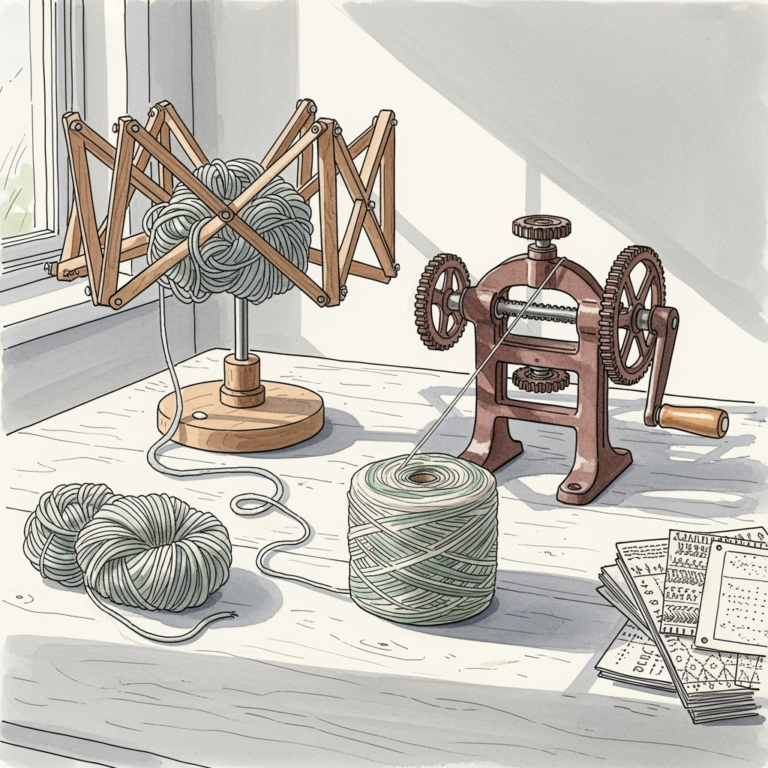
Trying to wind a hank without a swift is a recipe for a tangled nightmare. A swift acts as an umbrella-like frame that holds the hank in a circle, allowing it to spin freely as you pull the yarn.
Without one, you are forced to drape the hank over a chair or your knees, which inevitably leads to twists and "yarn barf." A swift ensures the yarn is delivered to the winder with zero resistance.
Invest in a quality wooden or metal swift that can adjust to different hank circumferences. It is the single most important companion to your yarn winder.
How to Properly Maintain Your Yarn Winder Gears
Most winders use nylon or plastic gears that require very little maintenance, but they aren’t invincible. Periodically check the base for stray fibers that may have wrapped around the spindle, as these can cause friction and eventually snap the gear teeth.
If you notice a grinding sound, a tiny drop of sewing machine oil on the main gear can work wonders. Never use heavy-duty grease, as it will attract dust and create a gummy mess that ruins the mechanism.
Store your winder in a dust-free environment when not in use. A simple cloth cover goes a long way in extending the life of your gears and keeping your winding smooth.
Troubleshooting Common Yarn Winding Roadblocks
The most common issue is the "yarn slip," where the yarn falls off the cone and wraps around the spindle. This usually happens because the tension guide is set too far from the cone or the yarn is too slippery.
- If the cake is collapsing: Wind more slowly and ensure the yarn is catching the guide correctly.
- If the yarn is snagging: Check your swift for rough spots or splinters that might be catching the fiber.
- If the winder is sliding: Use a rubber mat under the base to provide extra grip on your table surface.
Remember that winding is a skill. It takes a few tries to learn how your specific winder interacts with different yarn weights and textures, so don’t be discouraged by a few early tangles.
Investing in a quality winder and swift is one of the best decisions you can make for your long-term knitting health. By taking the time to wind your yarn correctly, you protect the integrity of your fibers and set yourself up for a stress-free knitting session. Choose the tool that best fits your typical project volume, keep it clean, and enjoy the process of preparing your yarn for its next transformation. Happy knitting, and may your cakes always pull smoothly from the center.