7 Best Scissors For Cutting Heavy Weight Wool Reviewed
Cutting heavy wool requires precision. We tested 7 top-rated scissors to find the best blades for thick fabrics, ensuring clean cuts and lasting durability.
Cutting through heavy-weight wool requires more than just standard household scissors if you want to avoid frayed edges and hand fatigue. Whether you are trimming thick boiled wool for a coat or snipping through dense, felted remnants, the right tool makes the difference between a clean edge and a jagged mess. After two decades at the cutting table, I’ve learned that the quality of your shears dictates the precision of your final garment. Here are seven top-tier options that can handle the density of heavy fibers with ease.
Gingher 8-Inch Knife Edge Dressmaker Shears
These shears are the gold standard for a reason. The knife-edge grind allows the blades to glide through dense wool rather than pushing the fabric away, which is a common frustration with lesser tools.
The weight of these scissors feels substantial in the hand, providing the necessary leverage to cut through multiple layers of heavy melton or loden wool. Because they are forged from high-carbon steel, they hold their edge incredibly well, even after marathon sessions of cutting out pattern pieces.
However, they do require regular oiling to prevent rust. If you are prone to working in a humid climate or near a steamer, keep a small cloth with sewing machine oil nearby to wipe them down after every project.
Kai 7250 10-Inch Professional Grade Shears


If you are tackling a large-scale project like a winter coat or a heavy wool blanket, the 10-inch length of the Kai 7250 is a game changer. The extra blade length allows for longer, smoother strokes, which prevents the "chewed" look you often get when taking too many short snips.
These scissors use a high-carbon molybdenum stainless steel that feels surprisingly lightweight despite their size. This is a massive benefit if you suffer from hand fatigue or have limited grip strength, as you won’t be fighting the weight of the tool while trying to navigate complex curves.
They are incredibly sharp right out of the box. Be warned: they are so efficient that they can be unforgiving if your hand slips, so always practice your cutting path on a scrap of wool first.
Fiskars Amplify RazorEdge Fabric Shears

Fiskars introduced the Amplify technology specifically to solve the problem of fabric separation. When you cut heavy wool, the blades often push the fibers apart instead of shearing them; the Amplify mechanism senses this resistance and forces the blades together.
This feature is particularly useful for beginners who haven’t yet mastered the "sliding" technique of cutting. It takes the guesswork out of maintaining consistent pressure, ensuring that even the thickest felted wool is sliced cleanly.
The trade-off is the bulk of the handle mechanism. While it’s highly functional, it can feel a bit clunky if you are used to the slim profile of traditional forged shears.
Westcott Titanium Bonded Sewing Scissors
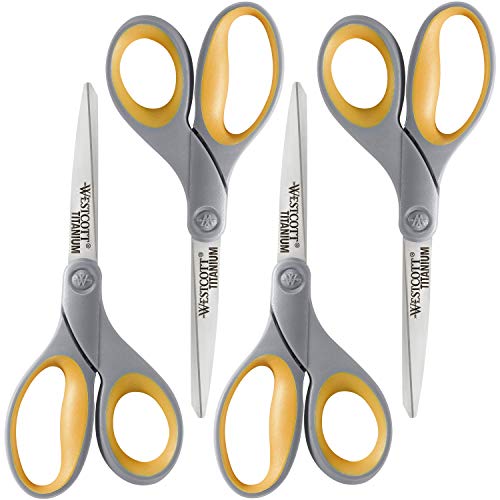
Titanium-bonded blades are significantly harder than standard stainless steel, which makes them resistant to the dulling effects of synthetic-wool blends. If you frequently cut wool that contains nylon or polyester, these are a durable, cost-effective choice.
The ergonomic handle is a standout feature for those who sew for hours at a time. It distributes pressure evenly across your fingers, preventing the red indentations that cheaper, thin-handled scissors leave behind.
Keep in mind that these are not as easy to sharpen as high-carbon steel shears once they eventually lose their edge. Think of these as a reliable, long-lasting workhorse that offers great value for the price.
LDH Scissors Midnight Edition Fabric Shears
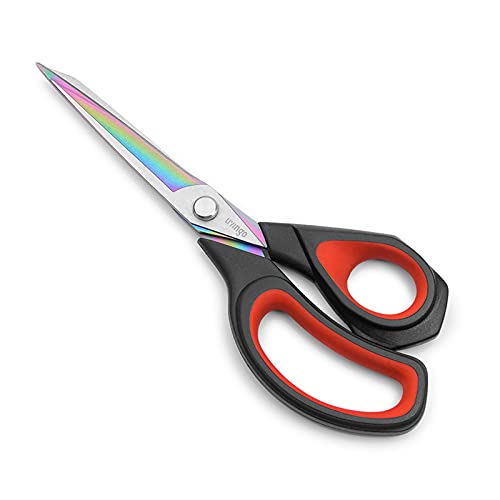
The Midnight Edition shears are as beautiful as they are functional, featuring a matte black finish that looks stunning in any studio. Beyond the aesthetics, the Japanese steel construction provides a razor-sharp edge that handles dense fibers with minimal resistance.
What I appreciate most is the pivot point adjustment. As you use them over the years, you can tighten or loosen the screw to ensure the tension remains perfect for the specific weight of the wool you are currently cutting.
These are an investment piece. If you treat them with care and only use them for fabric—never paper or wire—they will likely be the last pair of scissors you ever need to buy.
Havel’s Sewing 8-Inch Pro Comfort Shears

Havel’s is known for their focus on comfort, and these Pro Comfort shears live up to the name. The soft-grip handles are a blessing if you are cutting out a complex pattern with many notches and tight curves that require constant stopping and starting.
The blades are serrated, which is a controversial choice in some sewing circles. However, for heavy, slippery wool, that serration acts like tiny teeth that grip the fabric, preventing it from sliding while you cut.
They are excellent for those who struggle with "fabric creep." If you find your wool pattern pieces shifting as you cut, the grip provided by these serrated blades will solve that issue immediately.
Singer 8.5-Inch ProSeries Heavy Duty Shears
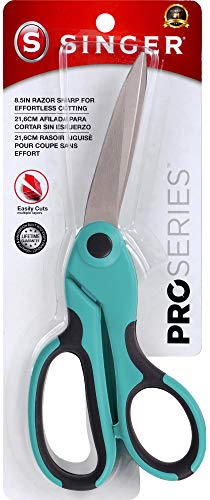
Singer has been a staple in the sewing world for generations, and their ProSeries is designed specifically for the heavy-duty demands of upholstery and outerwear wools. These are built to be abused, featuring a sturdy construction that feels virtually indestructible.
The blades are tempered to provide a long-lasting edge. They are a great entry-point for a knitter moving into garment sewing who wants a professional-grade tool without the boutique price tag.
They are slightly heavier than the Kai or LDH options, which some makers prefer for the sense of stability it provides. If you like a tool that feels like it’s doing the heavy lifting for you, this is your best bet.
Why Heavy Wool Requires Specialized Scissors
Heavy wool, such as boiled wool or dense melton, has a high fiber density that acts like a wall to standard craft scissors. When you try to cut these materials with dull or lightweight blades, the fabric bunches up between the blades, leading to uneven edges and frayed seams.
Specialized shears are designed with a specific "blade grind" that keeps the two edges in constant, tight contact. This ensures that the wool is sliced cleanly from the tip to the pivot point.
Using the wrong tool doesn’t just ruin your fabric; it puts unnecessary strain on your tendons. By choosing shears with the right leverage and blade geometry, you protect your hands for years of future making.
How to Maintain Sharp Blades for Clean Cuts
The golden rule of fabric shears is simple: never cut anything but fabric. Paper, wire, or even plastic packaging will dull a high-quality blade in seconds, turning a precision tool into a blunt instrument.
Regularly cleaning your blades is equally important. Wool contains natural lanolin and microscopic dust that can build up on the blades, creating a sticky residue that hinders a smooth cut.
Wipe your blades down with a soft, lint-free cloth after every session. If you notice the scissors feeling "gritty," a single drop of sewing machine oil applied to the pivot screw will keep the action smooth and prevent internal rust.
Essential Tips for Cutting Thick Fiber Yarns
When preparing to cut heavy wool, always use a sharp tailor’s chalk or a fine-point marking tool to map out your lines. Because heavy wool is often expensive, you want to avoid "measure twice, cut once" errors that are impossible to fix.
If you are cutting through multiple layers, use pattern weights instead of pins whenever possible. Pins can distort the weave of heavy wool, causing your pieces to be slightly off-grain once they are cut.
Finally, remember to use long, sweeping strokes. Don’t close the blades all the way to the tip; stop just before the tips meet to keep the cut continuous and prevent those annoying little "nicks" in your fabric edge.
Investing in a pair of high-quality shears is one of the most practical decisions you can make as a fiber artist. By matching the right tool to the weight of your wool, you ensure that your hard work in knitting or sewing is finished with professional precision. Take care of your blades, respect their limits, and they will serve you well through countless projects. Happy cutting, and may your edges always be sharp and straight.