7 Best Metal Wall Grids For Interchangeable Needle Sets
Organize your knitting space with these 7 metal wall grids. Discover the best modular storage solutions to keep your interchangeable needle sets accessible.
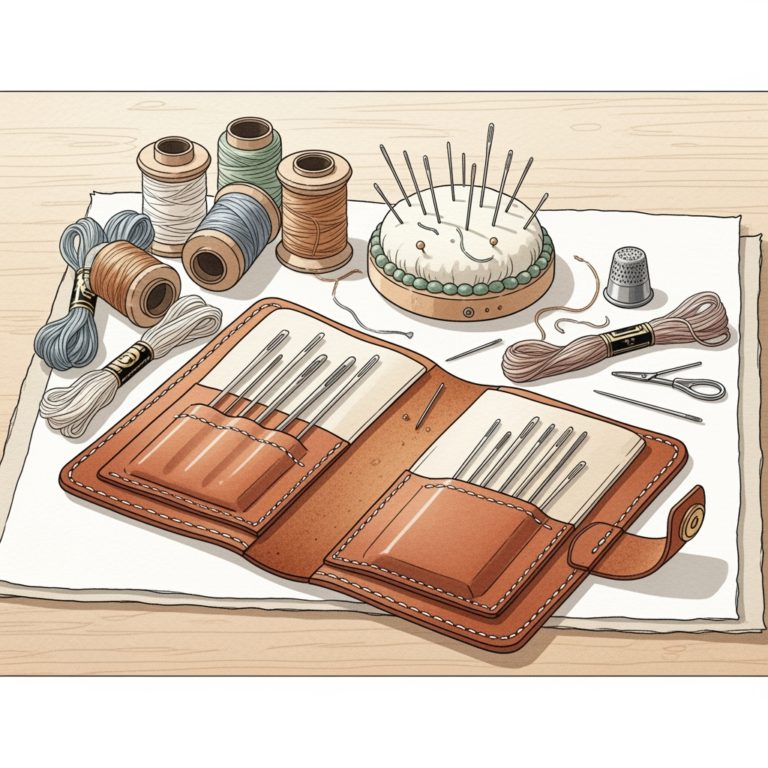
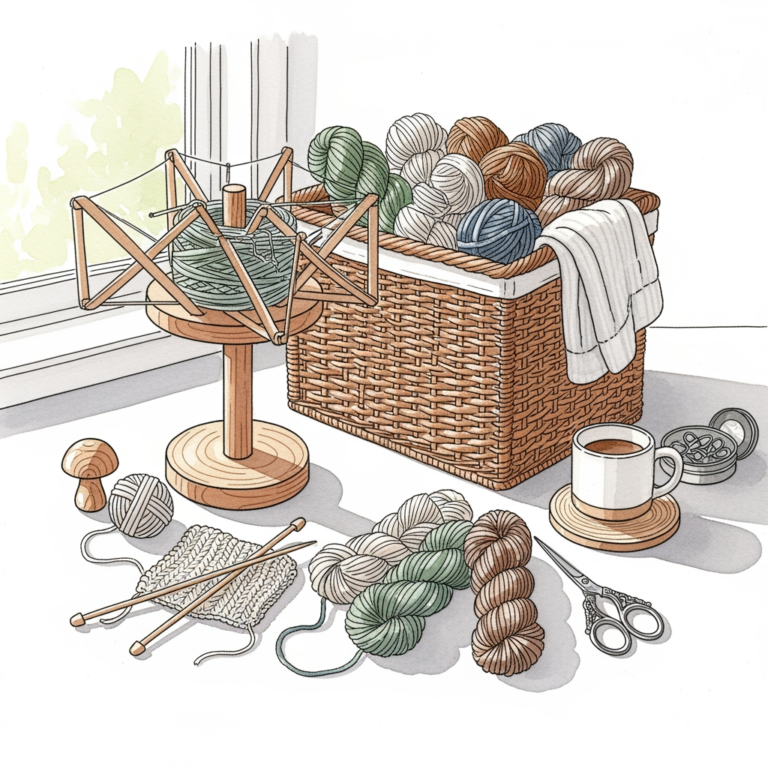
Every knitter knows the frustration of digging through a cluttered notions bag to find a specific needle tip in the middle of a complex lace project. A well-organized wall grid transforms your workspace from a chaotic pile of cables and tips into a curated studio. By treating your interchangeable sets like the precision instruments they are, you ensure that your tools remain protected and ready for your next cast-on. These seven metal grid systems offer the perfect blend of visibility and accessibility for the modern maker.
Wall Control Metal Pegboard: The Gold Standard


If you have ever spent twenty minutes searching for a 3.5mm tip while your yarn is already on the cable, you know why professional-grade organization matters. Wall Control is widely considered the gold standard because its steel construction is incredibly rigid and won’t warp under the weight of heavy, stainless steel needle sets.
The beauty of this system lies in its proprietary slotted design. Unlike standard pegboards, the slots allow for specialized hooks that lock firmly into place, ensuring you never accidentally knock your favorite bamboo tips to the floor when reaching for a cable.
While the upfront cost is higher, the durability is unmatched. It is a long-term investment for a knitter who plans on building a collection of luxury needle sets over the next decade.
IKea Skådis Pegboard: Best Versatile System
The Skådis system has become a staple in craft rooms because it is designed specifically for small, modular storage. Its unique hole pattern accepts a wide array of elastic bands, shelves, and containers that are perfect for holding stitch markers, cable keys, and needle gauges.
Because the accessories are so varied, you can create a dedicated "needle station" that keeps your tips, cables, and connectors physically separated. This prevents the common issue of needle tips scratching each other or sliding into inaccessible corners of a bin.
The trade-off is that the board itself is fiberboard rather than heavy-duty steel, so it is best suited for lighter needle sets. If you primarily use carbon fiber or bamboo, this is a fantastic, aesthetic choice.
Pegboard USA Steel Grid: Best Heavy Duty Pick

When your collection grows to include multiple sets of heavy brass or nickel-plated needles, you need a grid that won’t flex. The Pegboard USA steel grid is built for industrial-level weight, making it the most robust option on this list.
This system is ideal for knitters who keep their needles in their original cases but want to hang the cases themselves. The sheer strength of the steel means you can mount entire needle rolls or heavy pouches without worrying about the integrity of the board.
It is a utilitarian choice that prioritizes function over form. If your goal is to create a "command center" for your fiber arts studio, this is the most reliable foundation.
Azar Displays Wire Grid: Best For Visibility

Wire grids are a classic choice for retail displays, and they happen to be perfect for a home knitting studio. The open-grid design allows you to see every single needle tip at a glance, which is vital when you are swatching and need to quickly compare different materials.
Because the grid is open, you can use simple S-hooks to hang your circular cables by their loops. This is a massive improvement over coiling cables into a bag, as it prevents the "memory" effect where cables become stiff and coiled, making your knitting process much smoother.
The main consideration here is wall clearance. You will need to ensure the grid is mounted with enough space behind it to allow your hooks to hang freely.
Amazon Basics Metal Grid: Best Budget Option

Not every knitter needs a bespoke, high-end display system to keep their tools organized. The Amazon Basics grid provides a simple, functional surface that gets your needles off the table and onto the wall for a fraction of the cost.
This is a great entry point for a newer knitter who is just beginning to acquire their first few interchangeable sets. It provides enough surface area to hang your most-used sizes while leaving room for future expansion.
Keep in mind that the finish on budget grids can sometimes be prone to scratching. If you are worried about your needles, consider using rubber-coated hooks to protect the tips from metal-on-metal contact.
MyGift Wall Mounted Grid: Best Decorative Look

Organization doesn’t have to look like a hardware store; it can be a beautiful part of your home decor. The MyGift grid often features a more refined finish that blends well with a living room or bedroom craft corner.
This is the perfect choice for the knitter who wants to display their beautiful wooden or resin needle tips like pieces of art. When your tools are beautiful, you are more likely to keep them organized and well-maintained.
While it is decorative, it is still highly functional for lightweight storage. Just be mindful not to overload it with excessively heavy metal sets to keep the mounting hardware secure over time.
Sorbus Wall Grid Panel: Best Modular Storage

The Sorbus system excels because it comes as a complete package with baskets and clips. This is a "one-and-done" solution for someone who wants to organize their needles, scissors, measuring tapes, and yarn snips all in one place.
The modular nature means you can rearrange your setup as your collection changes. If you finish a large sweater project and move on to delicate lace, you can easily shift your storage to accommodate smaller needles and finer accessories.
It is a very flexible system, though it requires a bit more planning to ensure the weight is distributed evenly across the panel. Start by placing your heaviest items near the mounting points for the best stability.
Why Metal Grids Organize Your Needle Collection
Storing interchangeable needles in a pile is a recipe for disaster, especially when it comes to the delicate threading on the tips. When tips rub against each other, the finish can become pitted, which causes drag when you are working with delicate fibers like silk or mohair.
Metal grids allow you to store your tips individually, which protects the integrity of the connection points. By hanging them vertically, you also save yourself from the frustration of untangling cables.
Furthermore, having your tools in plain sight helps you maintain your gauge. When you can see your needle sizes clearly, you are less likely to accidentally start a project with the wrong size, saving you from having to rip back your work later.
How to Mount Grids for Optimal Needle Access
The secret to a great needle wall is placement. You want your most-used needle sizes—typically the 3.5mm to 5.0mm range for most garment knitting—at eye level.
Always use anchors appropriate for your wall type, whether it is drywall, plaster, or brick. A grid loaded with heavy brass needles can pull out of a wall if it is only secured with basic nails or adhesive strips.
Leave at least two inches of space between the wall and the grid. This allows for airflow, which is crucial if you live in a humid climate, as it prevents moisture from building up on your metal tools and causing oxidation.
Essential Accessories for Your Needle Display
Your grid is only as good as the accessories you pair with it. Invest in a variety of S-hooks, which are perfect for holding cable loops or small project bags.
Magnetic clips are another game-changer for knitters. You can use them to hold your current pattern, a swatch, or even your cable keys so they never go missing.
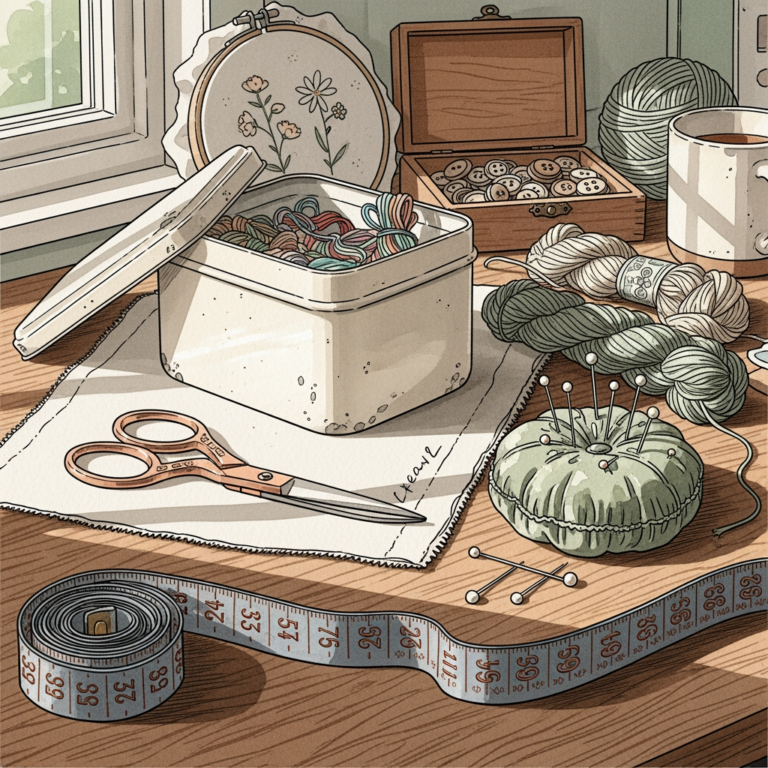
Finally, consider adding small, shallow baskets for your stitch markers and tapestry needles. Keeping these small items in clear, labeled containers ensures that your "knitting time" is spent actually knitting, not hunting for supplies.
Organizing your needle collection is more than just a tidy-up project; it is an act of respect for your craft. By choosing the right metal grid, you create a space that supports your creativity and protects your most important tools. Take the time to set up a system that works for your specific knitting habits, and you will find your process becoming significantly more fluid. A well-organized studio is the first step toward finishing that next masterpiece with confidence.