7 Best Ergonomic Grips For Extended Sessions Rated
Find the best ergonomic grips for long gaming sessions. We evaluate seven top-rated designs to help improve comfort, reduce fatigue, and boost performance.
Spending hours on a complex cable project or a pair of fingering-weight socks can take a real toll on your hands and wrists. Finding the right ergonomic grip isn’t just about luxury; it’s about preserving your ability to knit for years to come. These seven tools represent the gold standard for comfort, helping you maintain consistent tension without the ache. Choosing the right hook or needle grip is the single most effective way to extend your crafting sessions pain-free.
Addi Swing Ergonomic Crochet Hooks: The Top Choice


The Addi Swing design is a radical departure from traditional inline hooks, featuring a unique, curved handle that conforms to the natural shape of your palm. This shape is specifically engineered to reduce the pressure placed on the carpal tunnel during repetitive motions.
If you find yourself gripping your tools with a "death grip" during intricate lace work, this hook forces your hand into a more relaxed, open position. The extended handle length provides excellent leverage, which is a lifesaver when working with stiffer, non-elastic fibers like cotton or linen.
However, the unconventional shape does have a learning curve for those used to straight-handled tools. It is the top choice for those with chronic hand pain because it fundamentally changes how you engage your hand muscles.
Clover Amour Crochet Hook Set: Best Comfort Grip

Clover Amour hooks are widely considered the industry benchmark for a reason: the elastomer rubber grip is soft, tacky, and perfectly balanced. The grip material is slightly squishy, which helps dampen the impact of repetitive pulling motions.
These are ideal for long sessions with slippery acrylics or superwash wools, as the grip provides just enough friction to keep the hook from sliding out of your hand. The aluminum head is smooth and polished, ensuring a snag-free experience even with delicate, high-twist yarns.
The bottom line is that these hooks offer the most consistent, reliable comfort for the widest range of knitters. They are a safe, high-quality investment for anyone looking to upgrade their basic kit.
Tulip Etimo Red Hooks: Best For Precise Tension
The Tulip Etimo Red series is renowned for its matte finish, which is specifically designed to eliminate the glare that can cause eye strain during long, late-night knitting marathons. The cushion grip is firm yet comfortable, providing excellent feedback without being overly bulky.
These hooks are a favorite among those who prioritize precision. The throat of the hook is perfectly shaped to grab the yarn, which helps maintain a consistent gauge even when you are working with slippery silk or bamboo blends.
While they come at a premium price point, the durability of the finish means they won’t chip or snag over time. If your primary goal is maintaining even tension across a large garment, these are your best companion.
Furls Odyssey Metal Hooks: Best Weight Balance

Furls Odyssey hooks are hefty, balanced tools that utilize gravity to do some of the work for you. The weight is concentrated in the throat of the hook, which helps pull the yarn through the stitch with minimal effort from your wrist.
These are particularly effective for knitters who suffer from arthritis and find that lighter hooks require too much "squeezing" to control. The sleek, plated metal finish is incredibly fast, making them a dream for speed-knitting or working with bulky, rustic wools.
The tradeoff is the weight; some crafters find them too heavy for marathon sessions lasting several hours. If you prefer a tool that feels substantial and reduces the need for constant, forceful pulling, the Odyssey is unmatched.
Boye Ergonomic Aluminum Hooks: Best Budget Pick
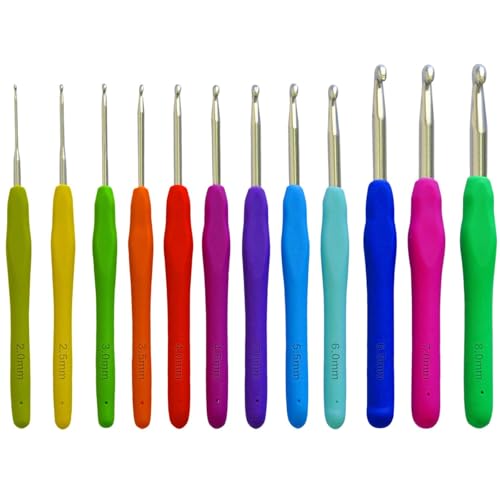
Boye’s ergonomic line offers a simple, accessible solution for those who aren’t ready to invest in high-end sets. The grip is a straightforward, contoured rubber sleeve that provides a wider surface area for your fingers to rest on.
While they lack the sophisticated engineering of premium brands, they effectively prevent the "pinching" sensation that occurs when using thin, bare metal needles. They are an excellent entry point for beginners who are still learning their preferred grip style.
If you are on a budget, these hooks provide essential ergonomic support without the steep price tag. They perform admirably for standard weight yarns and are easily replaceable if lost.
Prym Ergonomic Hooks: Best For Hand Fatigue

Prym has taken a high-tech approach to ergonomics, using high-performance synthetic materials that are remarkably lightweight and warm to the touch. The shaft is designed to be slightly flexible, which absorbs some of the tension that would otherwise travel directly to your joints.
This flexibility is a game-changer for those who knit tightly, as it prevents the "stiff" feeling that often accompanies long sessions. The unique shape of the handle also helps prevent the hook from rotating in your hand as you work.
The material is exceptionally smooth, which is perfect for preventing hand fatigue. If you find metal hooks too cold or "harsh" on your skin, the warm, tactile feel of the Prym material is a superior alternative.
Susan Bates Soft Ergonomic Hooks: Best Grip Feel

Susan Bates is famous for their inline hook head, and their soft ergonomic version adds a comfortable, dense foam grip to that classic design. The grip is slightly firmer than the Clover Amour, offering a more stable, "locked-in" feel.
This is a great choice for knitters who prefer an inline hook head, which helps you maintain a very consistent stitch size. The grip is shaped to fit comfortably in the crook of the thumb and index finger, reducing the strain of repetitive movements.
If you struggle with hooks that feel "mushy" or unstable, the firm support of the Susan Bates grip will provide the control you need. It is a reliable, no-nonsense tool that delivers exactly what it promises.
How To Choose The Right Ergonomic Grip For You
Choosing the right grip is a deeply personal decision that depends on your hand size, your grip style (pencil vs. knife), and the type of yarn you use. If you have larger hands, look for a thicker, more bulbous grip to avoid cramping.
If you tend to be a "tight" knitter, prioritize a grip that allows for a relaxed hold, as tension in your hands often translates to tension in your fabric. Consider the weight of the tool as well; heavier tools are great for momentum but can cause fatigue over time.
- Test your grip: Do you hold your hook like a pencil or a knife?
- Assess your yarn: Are you using sticky wool or slippery silk?
- Evaluate your pain points: Do your fingers cramp, or is it your wrist that hurts?
Ultimately, don’t be afraid to mix and match. You might find that you prefer a lightweight hook for lace and a heavier, balanced hook for chunky blankets.
Hand Health Tips For Long Knitting Sessions
Even the best ergonomic grip cannot replace the need for regular breaks and active stretching. Every 30 minutes, put your work down and gently stretch your fingers, wrists, and shoulders to release the tension built up during the project.
Hydration and temperature also play a role in hand health. Cold hands are stiffer and more prone to injury, so keep your workspace warm and consider using compression gloves if you are prone to swelling during long sessions.
- Finger flicks: Gently stretch each finger back to release tension.
- Wrist rotations: Slowly rotate your wrists to improve circulation.
- Shoulder rolls: Keep your posture open to prevent neck and back strain.
Listen to your body; if you feel a sharp "twinge," stop immediately. It is better to take a day off than to force a session that leads to a long-term repetitive strain injury.
Comparing Silicone Versus Plastic Grip Materials
The material of your grip is just as important as the shape. Silicone and rubber grips are generally "tackier," which is excellent for those who have trouble maintaining a steady hold or whose hands get sweaty during long sessions.
Plastic or resin grips are often smoother and more durable, which can be a better choice if you prefer a tool that doesn’t "grab" your skin. However, they can sometimes feel slippery if your hands are very dry.
- Silicone/Rubber: Best for grip, control, and dampening vibration.
- Hard Plastic/Resin: Best for durability and a smooth, "fast" feel.
- Wood/Bamboo: Best for warmth and a natural, tactile experience.
The best material is the one that feels "invisible" in your hand. If you aren’t thinking about your grip while you knit, you have found the right match for your specific skin type and knitting style.
Investing in ergonomic tools is an act of care for your craft and your body. By understanding the nuances of grip materials, weight, and shape, you can tailor your toolkit to support your unique knitting style. Remember that no tool is a substitute for proper technique and regular rest. May these insights help you enjoy many more hours of peaceful, pain-free knitting.