6 Best Drying Racks For Flat Knit Items To Use
Keep your delicate knits in shape with our top 6 drying racks. Discover the best tools to prevent stretching and ensure your sweaters air-dry perfectly flat.
After spending hundreds of hours perfecting a hand-knit garment, nothing is more heartbreaking than seeing it lose its shape in the wash. Proper blocking is the final, non-negotiable step that transforms a lumpy piece of fabric into a professional-looking heirloom. Choosing the right drying rack ensures your stitches settle evenly without the risk of sagging or stretching. These six options represent the gold standard for maintaining the integrity of your hard work.
Eucalan Folding Mesh Drying Rack: Best Overall
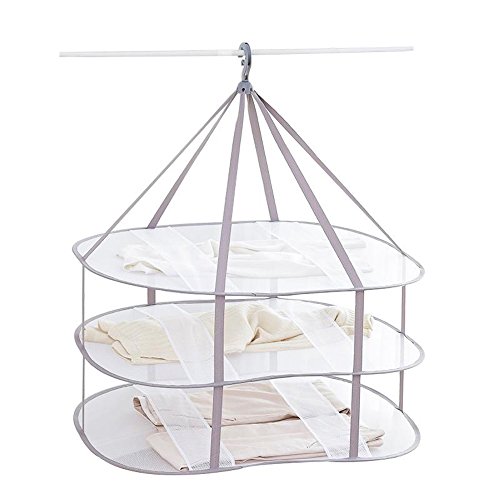

This rack is a staple in my studio because it prioritizes airflow above all else. When you are drying a heavy wool sweater, moisture trapped against the fibers can lead to mildew or a damp, "wet wool" smell that lingers long after the garment is dry.
The mesh surface allows air to circulate underneath the garment while providing a gentle, non-slip base. I find this especially useful for delicate lace shawls that might snag on wire or wooden slats.
Because it folds down into a compact disc, it is the perfect solution for knitters living in apartments or those with limited floor space. My bottom line: it is the most reliable tool for consistent, even drying across all fiber types.
The Knitter’s Pride Knit Block Drying Rack

If you frequently work with intricate cables or lace, you need a surface that allows for precise pinning. This rack is designed to work in tandem with blocking wires and T-pins, making it a dream for projects that require aggressive shaping.
The grid pattern printed on the surface is a game-changer for maintaining symmetry. When I’m blocking a pair of stranded colorwork mittens, I use the grid to ensure both pieces are identical in width and length.
It is a more rigid system than a simple mesh net, which offers more control but takes up more storage space. Choose this if you are a perfectionist who values precise dimensions over portability.
Household Essentials Expandable Drying Rack
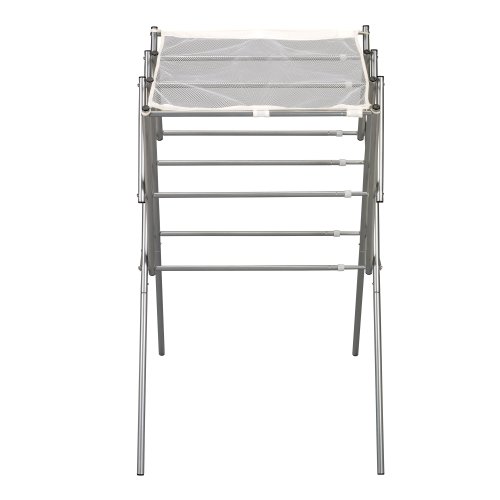
Sometimes you aren’t just blocking one sweater; you are blocking a whole collection of swatches or a large-scale blanket. This expandable rack is built for the knitter who treats blocking like a production line.
The accordion-style design allows you to adjust the footprint based on your project size. It is robust enough to hold heavier cotton or linen blends, which can be quite dense and heavy when fully saturated.
Be aware that because it is made of metal or rigid plastic, you will likely need to lay a towel over it to prevent "bar marks" on your fabric. It’s a workhorse for the high-volume knitter, provided you have the floor space to accommodate its footprint.
OXO Good Grips Foldaway Drying Rack
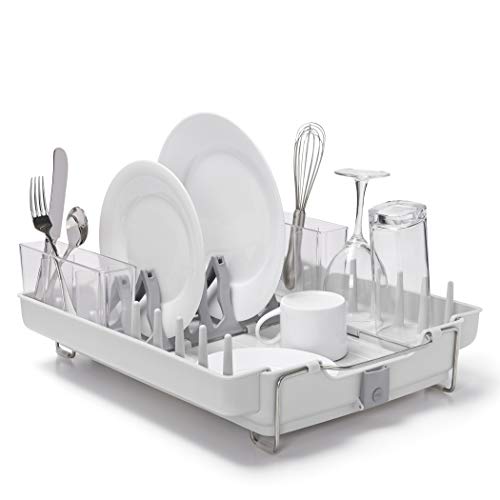
This rack is incredibly intuitive, featuring a sleek design that fits well in modern homes. It is particularly effective for smaller items like baby clothes, socks, or hats where you don’t want a massive rack dominating your living room.
The foldaway mechanism is smooth and sturdy, reflecting the quality one expects from the brand. I find the surface texture is gentle enough that it doesn’t leave impressions on soft alpaca or merino yarns.
While it isn’t meant for a massive circular shawl, it excels at everyday blocking needs. It is the best choice for the knitter who wants a quick, fuss-free setup for smaller, frequent projects.
Songmics Bamboo Foldable Drying Rack
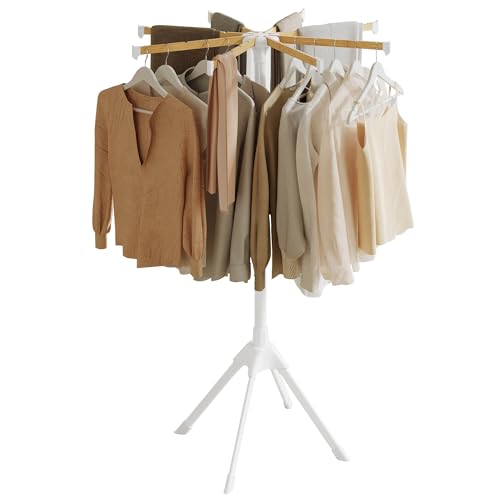
Bamboo is an excellent material for knitters because it is naturally moisture-resistant and aesthetically pleasing. This rack brings a touch of warmth to your blocking process while remaining highly functional.
The slats are spaced to allow for decent airflow, though you should always use a blocking mat or towel on top to prevent the slats from creating horizontal ridges in your knitting. It is incredibly sturdy and handles the weight of heavy, cabled wool sweaters with ease.
If you value sustainability and want a tool that looks nice even when it’s out in the open, this is your best bet. It combines structural integrity with a clean, natural look that fits any home decor.
Whitmor Clip-On Mesh Sweater Drying Rack

This is a clever solution for those who already own a standard standing drying rack but need a flat surface for their knits. It clips onto existing structures, effectively turning a vertical rack into a horizontal one.
It’s a brilliant space-saver, but it does require you to have a sturdy rack to clip it onto. I recommend this for knitters who have a dedicated laundry area where they can leave the structure set up for a day or two.
Because it is lightweight mesh, it is exceptionally easy to store when not in use. It’s the most economical and space-efficient way to add a flat-drying surface to your existing setup.
Why Flat Drying Is Essential for Hand Knits
When you wash a hand-knit item, the fibers become saturated and heavy with water. If you hang a wet sweater on a hanger, gravity will pull the weight of the water downward, permanently distorting the shoulder seams and neckline.
Flat drying keeps the garment in its intended shape, allowing the tension of the stitches to relax naturally as they dry. This is especially critical for natural fibers like wool, which have "memory" and will set into the shape they are in while drying.
Without flat drying, your hard-earned gauge and stitch definition can be completely lost. Never underestimate the power of gravity; always dry your knits flat to preserve your project’s longevity.
Essential Features for Knitting Drying Racks
When shopping for a rack, prioritize materials that won’t rust or snag your delicate fibers. Mesh is generally superior to metal slats because it allows air to pass through the entire surface area of the garment.
Look for a rack that is large enough to accommodate your largest project without folding the edges over. If you have to fold your sweater to make it fit on the rack, you are creating a crease that will be difficult to remove later.
- Portability: Can it be stored easily in a closet?
- Surface Area: Is it wide enough for a full-sized adult sweater?
- Material: Is it smooth, snag-free, and moisture-resistant?
- Stability: Will it hold the weight of a water-logged wool garment?
How to Properly Block Your Finished Garments
Start by soaking your garment in cool water with a gentle wool wash for about 15-20 minutes. Gently squeeze out the excess water by rolling the garment in a thick towel; never wring or twist the fabric, as this can break fibers.
Once the garment is damp but not dripping, lay it out on your drying rack. Use your hands to gently nudge the piece into its finished measurements, paying close attention to the ribbing and cuffs.
If you are using pins, insert them at regular intervals along the edges to hold the shape. Let the garment dry completely—usually 24 to 48 hours—before removing it from the rack.
Maintaining Your Drying Rack for Longevity
Most mesh racks can be wiped down with a damp cloth if they accumulate dust or lint. If you have a wooden rack, ensure it is kept in a dry environment when not in use to prevent the wood from warping or growing mold.
Avoid using harsh chemicals to clean your rack, as residue could transfer to your next knitting project. If the rack is collapsible, periodically check the hinges to ensure they aren’t becoming loose or stiff.
Storing your rack in a dry, cool place away from direct sunlight will prevent the materials from becoming brittle over time. Treat your tools with the same care you treat your yarn, and they will serve you for decades.
Investing in a quality drying rack is just as important as choosing the right needles or high-quality yarn. By providing a stable, airy environment for your garments to set, you ensure that every stitch you labored over remains perfect. Choose a rack that fits your space and project style, and your hand-knits will look beautiful for years to come. Happy knitting, and may your blocking always be effortless.