6 Best No-rinse Soaking Basins for Handknits to Own
Keep your handknits pristine with our top six no-rinse soaking basins. Discover the best tools for gentle, efficient care that preserves your yarn’s quality.
Proper care for your handknits begins long before you pick up a needle, but it culminates in the crucial soak that sets your stitches. Finding the right vessel for this process can be the difference between a perfectly blocked shawl and a stretched-out disaster. Whether you are working with delicate lace weight mohair or sturdy worsted wool, the basin you choose matters. Here are the six best options to ensure your hard work stays beautiful for years to come.
Eucalan Signature Basin: Best for Gentle Washing
The Eucalan Signature Basin is designed specifically with the fiber artist in mind, prioritizing the safety of your delicate wools. Its smooth, non-porous surface ensures that there are no rough edges to snag your precious fiber during the submersion process.
When you are washing a hand-dyed silk blend, you want a vessel that feels as premium as the yarn itself. This basin is lightweight, making it incredibly easy to move from the sink to your blocking station without splashing water everywhere.
While it lacks the collapsible features of more modern tubs, its sturdy construction means it won’t warp over time. It is a reliable, classic choice for knitters who want a dedicated tool that stays in the laundry room year-round.
Soak Wash Collapsible Tub: Most Space Efficient


If you live in a small apartment or your craft space is also your living room, the Soak Wash Collapsible Tub is a game changer. It folds down to a fraction of its size, allowing you to slide it under a sofa or tuck it into a project bag.
The beauty of this tub lies in its versatility for different project sizes. You can expand it fully for a large adult sweater or keep it partially collapsed for a single pair of socks.
Be mindful that collapsible silicone can sometimes hold onto scents if you use heavily fragranced soaps. Always rinse it thoroughly after use to ensure your next project doesn’t pick up the lingering aroma of a previous wash.
Sterilite 16-Quart Basin: Best Budget Choice

You don’t need to break the bank to give your handknits a professional-grade bath. The Sterilite 16-Quart Basin is a staple in many knitting households because it is inexpensive, readily available, and perfectly sized for most medium-weight projects.
Its rectangular shape is particularly helpful for blocking long scarves or shawls. You can lay the fabric flat at the bottom of the basin to ensure even saturation before you begin the gentle squeezing process.
Because it is made of standard plastic, it isn’t indestructible, but it is easily replaceable. It’s the perfect "starter" basin for a new knitter who is just beginning to explore the world of blocking and garment care.
OXO Good Grips Dish Tub: Most Durable Option

When you handle heavy, water-logged wool sweaters, you need a basin that won’t flex or buckle under the weight. The OXO Good Grips Dish Tub is built with a heavy-duty construction that provides a stable base for even the densest fisherman’s sweaters.
The standout feature here is the elevated feet, which allow for airflow underneath the basin. This is a subtle but brilliant detail if you are working on a countertop and want to avoid trapped moisture or condensation.
The handles are ergonomically designed, making it much easier to carry a full basin to the tub for draining. If you invest in high-end, heavy yarns, this durability is worth the slightly higher price point.
Rubbermaid 12-Quart Basin: Best for Small Knits
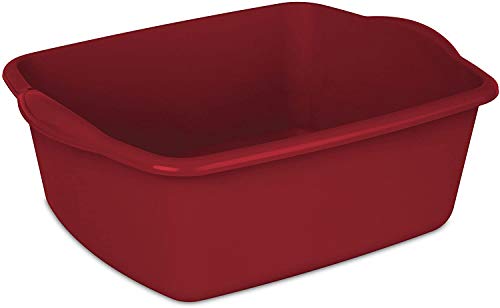
For the dedicated sock knitter, a massive tub is often more of a hindrance than a help. The Rubbermaid 12-Quart Basin is the ideal size for a pair of socks, a hat, or a pair of fingerless mitts, preventing you from wasting water and soap.
Its compact footprint means it fits easily into standard kitchen or bathroom sinks. This makes the filling and draining process much more manageable when you are working with small, delicate items.
Because it is smaller, it is also much easier to store on a shelf in your yarn closet. It’s a practical, no-nonsense tool that acknowledges that not every project requires a gallon of water to get clean.
Joseph Joseph Wash&Drain: Best Integrated Plug
The Joseph Joseph Wash&Drain solves the most annoying part of the soaking process: trying to lift a heavy, water-filled basin to dump it out. With its integrated plug, you can drain the water directly into your sink without any heavy lifting.
This is a massive benefit for knitters who may have limited mobility or who simply want to avoid the risk of sloshing water onto their floors. The built-in strainer also helps catch any stray fiber bits or debris, keeping your sink clean.
While the plug mechanism is convenient, you must ensure it is sealed properly before filling. It is a sophisticated piece of equipment that brings a modern, functional approach to a very traditional craft.
Why Proper Soaking Extends Your Knitwear Life
Soaking is not just about cleaning; it is the primary way we "set" the stitches and even out the tension of a finished piece. When you soak a garment, the fibers relax, allowing them to bloom and fill in the gaps between stitches.
Without a proper soak, your knitting may look uneven or stiff. A no-rinse soak removes the dust and oils from your hands that accumulate during the knitting process, which can attract moths if left untreated.
By using a dedicated basin, you ensure that your garment is fully submerged without being agitated. Agitation is the enemy of wool, as it can cause unwanted felting or pilling that ruins the drape of your fabric.
How to Choose the Right Size Basin for Your Project
Choosing the right basin comes down to one rule: the garment must be able to lay flat without being cramped. If you force a large sweater into a small basin, you risk uneven saturation and potential stretching of the wet fabric.
- For Socks/Mittens: A 10-12 quart basin is plenty.
- For Sweaters: Aim for 16-20 quarts to allow the fabric to move freely.
- For Large Shawls: Look for a wide, shallow rectangular shape to prevent folding the fabric too tightly.
Always consider the weight of the yarn as well. A heavy alpaca sweater will absorb much more water than a light cotton tank top, so ensure your basin has the capacity to hold the extra weight without spilling.
Essential Tips for Blocking Delicate Wool Fibers
When you place your knit in the basin, never pour water directly onto the fabric, as this can shock the fibers. Instead, fill the basin first, add your no-rinse soak, and then gently press the garment down into the water.
Let the piece soak for at least 15 to 20 minutes to ensure the water has penetrated the core of the yarn. Once finished, lift the garment gently and support its weight; never lift a wet sweater by the shoulders, as the weight of the water will permanently distort the shape.
After draining, roll the garment in a clean, dry towel to remove excess moisture. This "taco" method is the safest way to prepare your project for its final blocking board or mat.
Frequently Asked Questions About No-Rinse Soaks
Many knitters worry that no-rinse soaks leave a residue on the yarn, but these products are specifically formulated to be fiber-friendly. They contain lanolin or other conditioning agents that stay in the fiber to keep it soft and supple.
- Can I use these for cotton? Yes, but realize that cotton doesn’t "bloom" like wool, so the soak is primarily for cleaning.
- How often should I soak? Only when the item is visibly soiled or at the end of a season before storing.
- Will it hurt the color? High-quality no-rinse soaks are generally color-safe, but always check the yarn label if you are working with hand-dyed or high-contrast yarns.
Remember that the goal of a no-rinse soak is to minimize handling. The less you manipulate the wet fiber, the longer your beautiful handknits will maintain their original stitch definition and structure.
Investing in a reliable basin is a small but significant step toward professional-level garment care. By choosing a vessel that fits your specific project needs, you ensure your stitches remain crisp and your fibers stay soft for years. Treat your handknits with the care they deserve, and they will reward you with a lifetime of warmth and beauty. Happy knitting, and may your blocking sessions always be stress-free.