6 Best Wood Finishes For Final Protection To Use
Protect your furniture with our expert guide to the 6 best wood finishes. Learn which top-rated products provide the most durable final protection for your project.
The tactile nature of knitting relies heavily on the quality of tools, as the interaction between needles, hooks, and fiber dictates every stitch. A poorly finished wooden needle can snag delicate silk or split a multi-ply wool, turning a relaxing hobby into a frustrating ordeal. Protecting these tools with the right finish ensures a smooth glide, prevents moisture damage from humid climates, and preserves the natural beauty of the wood. Choosing the correct finish is an investment in the longevity of your craft equipment.
Zinsser Bulls Eye Shellac: Best Natural Finish


Shellac is a resin secreted by the lac bug, making it one of the most traditional and natural finishes available for wooden knitting needles and crochet hooks. It provides a hard, glossy surface that is particularly effective for those who prefer a “slicker” needle that allows yarn to slide with minimal resistance.
Because it is alcohol-based, it dries incredibly quickly, which is ideal for makers who want to finish a project and return to their knitting the same day. However, shellac is not moisture-proof; long-term exposure to damp hands or humid environments may eventually cause the finish to cloud.
For tools that see heavy, daily use, shellac offers a beautiful, renewable shine that is easy to spot-repair. Simply apply a fresh coat over the old one to restore the luster of a worn needle tip.
Howard Feed-N-Wax: For a Soft, Lustrous Feel
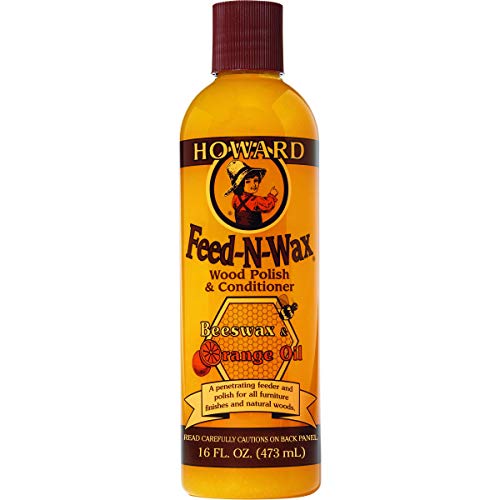
Feed-N-Wax combines beeswax and carnauba wax with orange oil to create a finish that feeds the wood rather than just coating it. This is the ideal choice for wooden tools that have begun to feel dry, brittle, or “thirsty” after months of intensive use.
The finish leaves a soft, satiny feel that provides just enough grip to keep stitches from sliding off too easily. This makes it an excellent option for beginners who find ultra-slick needles difficult to control when working with slippery fibers like bamboo or mercerized cotton.
Since this product contains natural waxes, it will eventually wear away with friction. It is best used as a maintenance product rather than a permanent seal, perfect for those who enjoy the ritual of caring for their gear.
Real Milk Paint Pure Tung Oil: Most Durable
Pure tung oil is derived from the nut of the tung tree and cures by oxidation, meaning it hardens into the wood fibers rather than sitting on top as a film. It is the gold standard for durability, creating a finish that is highly resistant to water and oils from the skin.
This finish is ideal for wooden needles that undergo significant stress, such as large-diameter circular needles used for heavy-gauge alpaca blankets. It creates a matte, natural aesthetic that highlights the grain of the wood without making it look overly plasticized or artificial.
The main tradeoff is patience; pure tung oil requires a long curing time, sometimes taking several days to fully harden between coats. Do not rush this process, as a tacky finish will drag on your yarn and ruin your gauge.
Osmo Polyx-Oil: Top Professional-Grade Choice
Osmo Polyx-Oil is a professional-grade blend of natural oils and waxes designed to provide a rugged, protective barrier. It is exceptionally popular for wooden knitting tools because it combines the deep penetration of oil with the surface protection of wax.
This product is highly recommended for those living in humid climates, as it forms a breathable yet water-repellent seal that prevents the wood from warping or swelling. The result is a consistent, smooth surface that stands up to the constant friction of yarn traveling across the needle.
Applying it requires a very light touch, as over-application will lead to a sticky residue. Use a lint-free cloth to buff it thin, ensuring the wood feels smooth, not gummy, before starting your next colorwork project.
Odie’s Oil: The Best One-Coat Application
Odie’s Oil is a dense, buttery finish that is incredibly concentrated, meaning a tiny amount goes a long way. It is a favorite for makers who want a high-quality, professional finish without the need for multiple days of labor and sanding.
Its unique formula provides a deep, rich luster that makes the wood grain “pop,” adding a luxurious feel to premium tools like ebony or rosewood hooks. It works effectively as a one-coat system, providing excellent moisture resistance while maintaining a natural, organic tactile sensation.
Because it is so potent, avoid the temptation to saturate the wood. A thin, well-buffed layer will provide all the protection necessary to keep your needles sliding smoothly through even the stickiest wool-mohair blends.
General Finishes Arm-R-Seal: Top Film Finish
Arm-R-Seal is a wipe-on oil-based urethane that creates a tough, plastic-like film over the wood. This is the go-to finish for anyone who wants a “slick” needle surface, as the film prevents the wood from absorbing any natural oils from the hands.
If you find that your hands tend to sweat while knitting, this film finish acts as a barrier, keeping your needles from becoming tacky or stained over time. It is significantly more durable than wax-based products, though it lacks that warm, natural wood feel.
The tradeoff is that if the finish eventually chips or scratches after years of abuse, it is difficult to spot-repair. However, for sheer longevity and smooth performance, it remains the industry choice for serious, long-term tool protection.
Choosing a Finish: Oil, Wax, or Varnish?
Selecting the right finish depends on your personal knitting style and the specific wood you are treating. Consider these three categories:
- Oils (Tung, Odie’s): Penetrate deeply to protect from within, offering a natural feel. Best for those who want to feel the grain.
- Waxes (Feed-N-Wax): Sit on the surface to provide a smooth, soft glide. Best for “grippy” woods that need help sliding.
- Film Finishes (Arm-R-Seal, Shellac): Create a barrier on top of the wood. Best for those who demand a consistent, high-speed slickness.
If you are a loose knitter who struggles to keep stitches on the needle, choose an oil or wax finish, as they provide slightly more “tooth.” If you are a tight knitter who struggles with yarn drag, opt for a hard film finish.
Is Your Wood Finish Safe for Your Skin & Yarn?
Safety is paramount, especially when you consider how long your hands are in contact with these tools. Always look for finishes labeled as “food-safe” or “non-toxic,” especially if you are prone to skin sensitivities or allergies.
Be aware that certain finishes, particularly those with strong chemical solvents, can leave a lingering scent on the wood that might transfer to your yarn. While most finishes are inert once fully cured, ensure your tools are thoroughly cured—meaning they no longer smell of solvents—before using them with expensive, delicate fibers.
Avoid cheap, mystery-brand wood stains or varnishes intended for heavy construction. These often contain additives that can degrade synthetic fibers or cause discoloration on light-colored luxury yarns like alpaca or cashmere.
How to Get a Perfectly Snag-Free Smooth Finish
Achieving a professional-level finish on knitting tools starts with sanding, not the finish itself. You must sand the wood through multiple grits, typically starting at 220 and finishing at 600 or higher, until the surface feels like glass to the touch.
When applying your finish, use a high-quality, lint-free cloth or a piece of fine-denier wool roving to buff the product into the wood. The goal is to work the finish into the grain while removing any excess that might become tacky.
Between coats, use a piece of brown paper or a very high-grit sanding pad (1000+) to lightly de-nib the surface. This removes any microscopic dust bumps and ensures the final result is perfectly uniform, allowing your yarn to glide without catching.
Care & Maintenance of Your Finished Wood Tools
Finished wood is not indestructible; avoid leaving your needles in direct sunlight, on a radiator, or in a damp car, as temperature swings can cause the wood to expand and contract. Keep your tools in a fabric roll or a hard case rather than tossing them loose into a project bag where the finish can be abraded by scissors or metal circular needle cords.
If a needle begins to feel draggy, clean it with a soft cloth and re-apply a small amount of your chosen finish. Routine care, such as a quick buff with a wax-based product every few months, will keep the wood hydrated and prevent the finish from breaking down.
When in doubt, stick to natural oils or waxes for maintenance. They are the most forgiving and rarely cause build-up issues, ensuring your favorite needles remain the most reliable tools in your kit for years to come.
Properly sealing your wooden needles is the difference between a tool that hinders your progress and one that disappears into your hands, allowing you to focus entirely on your rhythm. By selecting a finish that aligns with your specific tension and fiber preferences, you elevate the entire knitting experience. Invest the time in maintenance, and your tools will reliably support your most ambitious projects for decades.