6 Best Document Trays For Craft Inspiration To Use
Organize your creative space with our top 6 picks for document trays. Find the best craft inspiration storage solutions for your desk and shop the collection now.
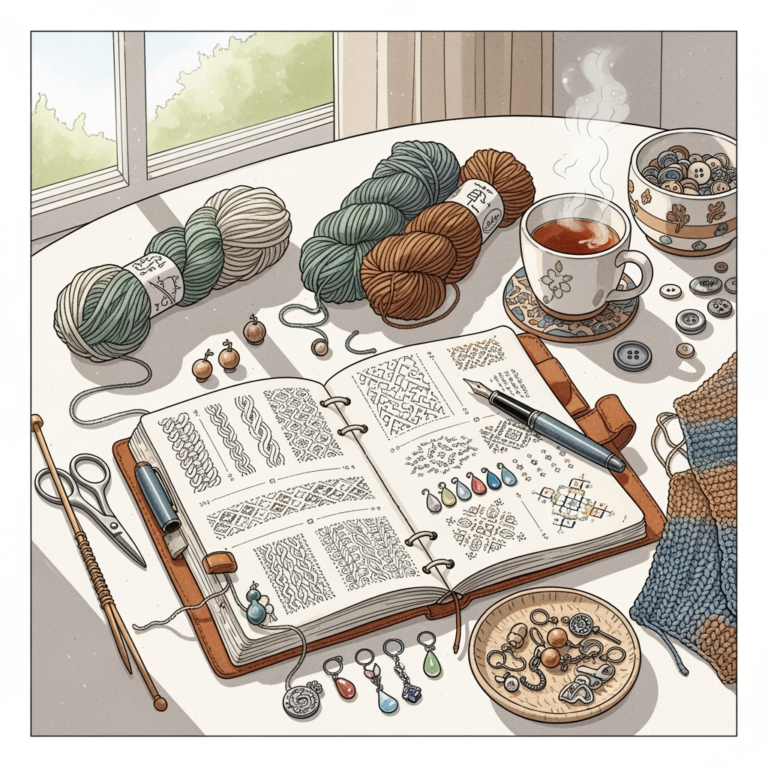
A towering stack of printed knitting patterns and swatches can quickly turn a peaceful craft corner into a source of visual overwhelm. Proper organization is the difference between starting a new project with excitement and spending an hour searching for the correct needle size or cable length. Document trays provide the physical infrastructure needed to keep charts, yarn labels, and project notes in order. Selecting the right system ensures that every technical detail remains within arm’s reach when the knitting gets complex.
SimpleHouseware Mesh Tray: Best Budget Stacker


The SimpleHouseware Mesh Tray excels for the knitter who is managing multiple active projects simultaneously. Its stackable design allows for vertical expansion, which is essential if limited table space prevents spreading patterns out horizontally.
Because these trays are constructed from lightweight steel mesh, they allow for excellent airflow around paper documents. This prevents the moisture buildup that can occasionally damage delicate, hand-drawn schematics or fragile vintage pattern booklets.
The main trade-off is the utilitarian aesthetic, which lacks the warmth often desired in a craft room. However, for sheer utility and the ability to organize patterns by project difficulty—from simple garter stitch scarves to complex brioche cowls—this system is hard to beat on value.
Blu Monaco Gold Tray Set: Most Stylish Option
For those who want their workspace to be as beautiful as the heirloom sweaters they create, the Blu Monaco Gold Tray Set offers a polished look. Gold finishes can elevate a cluttered desk, making the act of referencing a knitting chart feel more like an indulgence.
These trays are sturdy enough to support heavy binders containing lace-weight masterclasses or detailed intarsia diagrams. The metallic surface is easy to wipe down, a critical feature if there is a tendency to enjoy tea or coffee while mapping out stitch counts.
Bear in mind that metal trays can be slightly slippery, meaning patterns might slide if not weighted down by a magnetic board or a spare set of circular needles. Choose this option if the goal is to create a serene environment that inspires creativity.
Marbrasse Wooden Sorter: Best for Natural Style
Wood brings an organic quality to a craft space, pairing perfectly with the natural fibers of wool, alpaca, or silk. The Marbrasse Wooden Sorter offers a warm, tactile finish that feels consistent with the artisan nature of fiber arts.
This sorter is particularly useful for separating high-contrast projects or keeping pattern books upright and accessible. Because wood is a stable, non-conductive material, it is an excellent place to store sensitive electronic tools like row counters or digital scales for weighing leftovers.
Ensure the wood has a smooth finish so that delicate fibers or snag-prone yarns do not catch if they happen to graze the edges. A wooden tray provides a solid, grounded anchor for a desk that is otherwise filled with shifting skeins and loose notions.
Acasan Acrylic Tray: Best for Visual Organizers
Acrylic trays are the preferred choice for those who need to see exactly what is inside a pile without shifting documents around. The transparency of the Acasan Acrylic Tray means pattern notes, specific gauge swatches, and handwritten modifications are always visible.
Visual clarity is a massive advantage when juggling complex cabling charts where every stitch placement matters. If a pattern requires frequent consultation of a color-coded legend, having it behind clear acrylic prevents the common mistake of squinting at a dark or obscured page.
One minor drawback is that acrylic can show scratches or dust over time, requiring occasional gentle cleaning. This is the optimal choice for the knitter who likes a modern, minimalist look and prioritizes instant access to technical information.
IKEA KVISSLE Letter Tray: Best Minimalist Design
The IKEA KVISSLE is a staple in many professional studios, and its utility in a knitting room is equally high. Its pull-out shelves allow for easy access to patterns without having to dismantle a stack of heavy paper or magazines.
The design is intentionally sleek and low-profile, which prevents it from dominating the space. It is perfect for storing essential documents like needle size charts, conversion tables for different yarn weights (such as fingering vs. worsted), or even printed blocking instructions.
Because it uses a sliding mechanism, it works best on a flat, stable surface. If the workspace is frequently moved or rearranged, ensure the sliding trays are secured before relocating the unit.
Sooez 5-Tier Tray: Best for Sorting by Project
The Sooez 5-Tier Tray is a powerhouse for the knitter who enjoys working on a rotation of projects. Each shelf can be dedicated to a different stage of the process: one for pattern research, one for swatches, one for yarn labels and fiber composition notes, and others for active projects.
This tiered approach eliminates the “project graveyard” where unfinished lace shawls and half-knitted socks get buried under paper. By giving every project its own dedicated tier, the workflow remains orderly, and the risk of misplacing a critical piece of information drops significantly.
The footprint is relatively small, but it does add height to a desk, which might interfere with eye level if working on intricate pattern reading. Use this when the goal is maximum efficiency and project segregation.
What to Look For in a Craft Organizer Tray
When selecting a tray, consider the depth and weight of the materials being stored. A pattern for a simple baby blanket takes up much less space than a heavy binder full of historical knitting research.
- Capacity: Ensure the trays are wide enough to hold A4 or letter-sized paper without folding or creasing.
- Accessibility: Choose between open-stack or pull-out drawers based on how frequently you reference your charts.
- Durability: Prioritize materials that won’t bow under the weight of thick pattern books or heavy reference guides.
- Safety: Check for smooth edges to avoid snagging delicate yarn or needles that might be resting on the desk.
How to Choose: Wood, Metal, or Acrylic Trays?
The choice between materials often comes down to the desired “vibe” of the craft room and the physical environment. Metal is generally the most durable and functional for heavy use but can feel cold.
Wood offers a high-end, traditional aesthetic that complements the textures of natural fiber projects. Acrylic is modern and high-visibility, ideal for those who lose items in piles easily.
If the work area involves high humidity, such as a basement craft room, avoid untreated wood which might warp. If you have pets that shed, metal mesh can be a magnet for fiber dust, whereas solid acrylic or finished wood is easier to wipe clean.
Tips for Organizing Your Knitting Pattern Library
Organizing is not just about the tray; it is about the system inside. Use clear dividers to categorize patterns by garment type, needle size, or fiber weight.
Maintain a “Reference” tier for essential documents that never change, such as standard body measurement charts or knitting conversion tables. For active projects, keep the current working chart at the very top of your tray for immediate access.
Never rely on memory alone. When you adjust a pattern—such as adding length to a sleeve or changing a stitch pattern—write it down immediately and store that note directly on top of the corresponding pattern.
Beyond Patterns: What Else to Store for Ideas
Don’t limit your trays to just printed paper. Use these spaces to store physical items that spark inspiration, such as fiber samples, ribbon scraps, or buttons collected for future projects.
Swatches are perhaps the most important item to keep organized; store them with the needle size and yarn name attached so you can reference your previous experiments. Maintaining a collection of yarn labels ensures you never forget the wash requirements or fiber blend of a garment made years ago.
By keeping these tactile references alongside your patterns, you create a comprehensive project history. This makes future design decisions much easier and ensures that your creative process remains well-documented.
Investing in an organizational system transforms a hobby from a chaotic collection of half-formed ideas into a structured, professional-level practice. Choose the tray that best fits your specific workflow, and notice how quickly the clutter clears when every pattern and project has a designated home. Happy knitting, and may your workspace always be as organized as your stitches.