6 Best Glass Cleaners For Archival Preservation
Protect your valuable collectibles with our expert guide to the 6 best glass cleaners for archival preservation. Read our reviews and keep your items pristine.
Preserving a textile heirloom requires as much care as selecting the perfect wool for an heirloom sweater. When glass protection is part of that preservation, the wrong cleaner can migrate onto delicate fibers and cause irreversible damage. Choosing the right product ensures that a lace shawl or antique tapestry remains protected without suffering the chemical consequences of improper maintenance. These six options balance clarity with the necessary chemical neutrality required for long-term fiber health.
Orvus WA Paste: The Conservator’s Gentle Soap
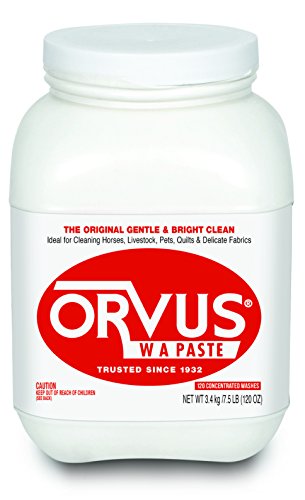

Orvus WA Paste is a staple in the textile conservation world because of its neutral pH and complete lack of additives. It is a synthetic surfactant that rinses away cleanly, leaving no soap scum or residue behind.
When used sparingly on a dampened cloth, it acts as a mild degreaser for glass surfaces. It is ideal for those who prefer a single, versatile product that serves both as a gentle cleaner for historical fibers and a safe agent for cleaning the glass that covers them.
Always dilute this paste significantly with distilled water. Over-application can lead to streaks, which is a common frustration when trying to achieve a pristine view of a finished project.

Stoner Invisible Glass: Best Residue-Free Clean
Stoner Invisible Glass earns its reputation by being formulated without soaps, scents, or dyes. For the knitter displaying a complex colorwork piece, the benefit is a view that remains crisp and perfectly transparent.
Because it contains no surfactants that leave a film, it does not attract dust or grime over time. This is critical for framed textiles that might hang in a home for years without being opened or cleaned again.
Avoid spraying this product directly onto the frame. Always spray the cloth first to prevent liquid from seeping into the matting or the textile itself.
Distilled Water: The Ultimate Safe Solution
For many delicate displays, distilled water is the only substance that truly carries zero risk. Minerals in tap water can leave spotting or chemical residues that might interact poorly with protein-based fibers like wool or silk.
Simply wiping the glass with a clean, lint-free cloth dampened with distilled water removes surface dust effectively. If the glass has no greasy film, this remains the gold standard for minimal-intervention cleaning.
Use a two-cloth method for the best results. One damp cloth removes the dust, while a second, dry cloth immediately buffs the surface to prevent spotting.
Ethanol & Water Mix: For Difficult Archival Grime
Sometimes a piece of glass needs more than water to remove stubborn oils or sticky residue. A mixture of equal parts high-grade ethanol and distilled water provides a potent but volatile cleaner.
The primary advantage here is that ethanol evaporates almost instantly. This rapid evaporation prevents the liquid from lingering long enough to soak into the frame backing or reach the delicate fibers behind the glass.
Be cautious to avoid any denatured alcohols that contain perfumes or additives. These ingredients can off-gas inside the frame, potentially damaging the fiber colors or structure over time.
Lineco Archival Glass Cleaner: Made for Framing
Lineco is a trusted name in the world of archival storage, and their glass cleaner is engineered specifically for the framing industry. It is designed to be non-streaking and, more importantly, non-reactive with archival materials.
Using a product specifically labeled for framing ensures that the chemistry won’t yellow or degrade the surrounding matting materials. If you have invested in professional-grade conservation materials for your display, this cleaner maintains that standard.
It is particularly effective at removing fingerprints without requiring heavy pressure. Excessive pressure while cleaning can cause the glass to bow and potentially touch the surface of a sensitive textile.
DIY Cleaner: Your Custom pH-Neutral Solution
Creating a custom cleaner at home allows for total control over the ingredients. A simple mixture of one part distilled water to one part high-quality isopropyl alcohol is highly effective for glass.
This DIY approach is popular among those who prefer to keep their supply chain simple and chemical-free. It provides the necessary strength to cut through grime while remaining neutral enough for the archival environment of a textile display.
Ensure the mixing container is thoroughly clean before preparation. Even a trace of dish soap residue in your spray bottle can ruin the archival safety of the mixture.
What to Avoid: Chemicals That Harm Your Textiles
Never use standard household window cleaners that contain ammonia. Ammonia is highly reactive and can cause significant damage to protein fibers and natural dyes if it manages to penetrate the frame.
Avoid products with strong fragrances or artificial blue dyes. These chemicals are designed to linger, and over time, they can off-gas, leading to a film that attracts moisture or creates chemical fogging on the glass.
Steer clear of any aerosol cleaners that cannot be sprayed onto a cloth. The mist from aerosol cans is difficult to control and easily drifts onto the textile surface during application.
Choosing the Right Cloth: Microfiber vs. Cotton
The tool used to apply the cleaner is just as important as the cleaner itself. High-quality microfiber cloths are excellent for glass because they trap dust and grime rather than pushing it around.
However, avoid generic, abrasive microfibers that might scratch delicate anti-reflective coatings. If the glass has a specialty UV or museum-grade finish, ensure the cloth is soft and non-abrasive.
Clean, washed cotton jersey or high-thread-count white cotton sheets are also excellent choices. They provide a predictable, lint-free surface that is unlikely to shed fibers into the crevices of the frame.
Safely Cleaning Glass Over Your Framed Textiles
Always remove the frame from the wall before attempting to clean the glass. Cleaning while the frame is hanging invites gravity to pull liquid cleaner into the frame, where it can cause mold or staining on the textile.
Place the frame flat on a stable, clean table covered with a soft towel. This provides a level surface and prevents the frame from sliding or scratching the table surface.
Apply the cleaner only to your cloth, never directly to the glass. Work in small circular motions, starting from the center and moving toward the edges, to ensure a streak-free finish that requires minimal pressure.
Does Your Glass Cleaner Offer UV Protection?
While glass cleaners themselves rarely provide UV protection, the type of glass you are cleaning often does. It is vital to know if your frame uses standard glass or museum-grade, UV-filtering acrylic or glass.
Using an abrasive cleaner or the wrong chemical mix can degrade the specialized coatings on museum glass. If your textile is displayed behind UV-filtering glass, stick exclusively to the gentlest options, like distilled water or the manufacturer’s recommended cleaner.
Maintaining the integrity of the glass coating is as important as the cleaning process itself. If the anti-reflective coating is damaged, the display will lose its clarity, regardless of how clean the surface appears.
Properly maintaining the glass surrounding your textiles ensures your hard work remains visible and protected for years to come. By prioritizing neutral, residue-free cleaners and adopting careful application techniques, the risk to your fibers is minimized, allowing the craftsmanship to remain the primary focus.