
7 Best Leather Creams For Surface Hydration To Try
Revive your favorite goods with these 7 best leather creams for surface hydration. Shop our expert-recommended picks to restore suppleness and protect your items.
Leather goods are the unsung heroes of a dedicated maker’s workshop, housing everything from ergonomic needle cases to heirloom-quality project bags. Just as raw wool fibers lose their luster without proper conditioning and hydration, leather surfaces require consistent care to remain supple and durable. Neglecting these materials leads to cracks and brittleness, which can compromise the safety of expensive tools and the integrity of hand-knitted treasures stored within. Choosing the right leather cream transforms maintenance from a chore into a restorative ritual that extends the lifespan of your favorite crafting companions.
Chamberlain’s Leather Milk: Best All-Purpose Cream


Chamberlain’s Leather Milk is the Swiss Army knife of leather conditioners. Its water-based formula balances cleaning and conditioning, making it perfect for the routine maintenance of well-loved project totes.
Unlike heavy, wax-laden products, this cream absorbs quickly without leaving a sticky residue that could transfer to delicate hand-dyed yarns. It excels at reviving the soft hand of high-quality, vegetable-tanned leathers often found in luxury knitting organizers.
If you own a leather needle case that feels slightly dry after years of exposure to changing seasons, this is the safest starting point. It provides enough moisture to soften stiff leather without permanently altering the finish.
Bickmore Bick 4: Best for Not Darkening Leather
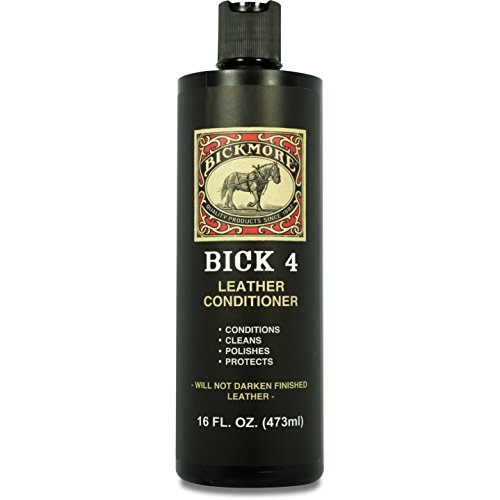
Bick 4 is the industry standard for those who fear the “wet look” often caused by oils. It offers deep hydration while maintaining the original color and patina of the leather.
When applying conditioner to light-colored leather knitting accessories, the risk of darkening is a common concern. Because this formula contains no waxes, it will not seal the pores or leave the surface feeling unnaturally slick.
This is ideal for lighter-colored goat or lambskin leather items that are sensitive to aesthetic shifts. For the knitter who prefers their accessories to age naturally while staying supple, Bick 4 provides protection without interference.
Saphir Renovateur: Best Premium Conditioning Cream
Saphir Renovateur is widely considered the gold standard for high-end leather care. It utilizes mink oil, neatsfoot oil, and beeswax to provide a sophisticated, multi-layered treatment.
While the price point is significantly higher than average, its performance on top-tier leather goods is unmatched. It acts as a deep conditioner that simultaneously creates a subtle, elegant sheen.
If you have invested in bespoke, hand-stitched leather needle rolls or tool wallets, this product justifies the expense. It is a refinement treatment rather than a utility wash, best suited for maintaining the premium quality of heirloom-grade items.
Lexol Conditioner: The Best Bang for Your Buck

Lexol remains the most reliable, budget-friendly option for those with a large collection of leather project bags. It is a non-greasy, pH-balanced liquid that absorbs deep into the fibers.
Because it lacks heavy waxes, it won’t attract dust or lint that might otherwise cling to the textured surface of your bag. This is especially important for crafters who take their work on the go and frequently set bags on public surfaces.
The value proposition here is simple: it provides effective, balanced hydration for high-volume needs. It is the practical choice for the knitter who views leather as a functional tool rather than a luxury accessory.
Fiebing’s Aussie Conditioner: Best Beeswax Formula
Fiebing’s Aussie Conditioner relies on beeswax to provide a protective, weather-resistant barrier. This is the top choice if your knitting bags are frequently taken outdoors or to outdoor fiber festivals.
The inclusion of beeswax adds a slight water-repellency, which helps protect expensive contents from unexpected spills or damp conditions. However, because of the wax content, it may slightly darken the leather and dull the finish upon first application.
Apply this sparingly if your primary concern is durability in harsh conditions. It is best suited for rugged, heavy-grain leathers that see regular use outside the home studio.
Venetian Shoe Cream: Best for Restoring Sheen
Venetian Shoe Cream serves as a high-performance restorer for tired, dull, or scuffed leather. It adds a vibrant, glossy finish that makes older gear look nearly new.
For many knitters, the appearance of their tools is as important as their utility. This cream excels at filling in micro-scratches and providing a lustrous glow that highlights the grain of the hide.
It is particularly effective on smooth, polished leathers used for knitting notions like measuring tapes or needle gauges. Use this to restore the visual appeal of pieces that spend most of their time on your knitting table.
Obenauf’s Leather Oil: Best for Heavy-Duty Use
Obenauf’s is designed for extreme conditions where leather fibers are prone to severe drying or cracking. It uses a proprietary blend of natural oils that penetrate deep into the substrate.
This is not a light touch-up product; it is a heavy-duty treatment for items that have been neglected for years. If you inherit an old leather knitting satchel that has become hard and brittle, this oil will help reintroduce necessary elasticity.
Use caution, as this will almost certainly darken your leather. Reserve this for workhorse items that require significant structural restoration rather than simple surface care.
How to Choose the Right Cream for Your Leather
Selecting the correct product requires an honest assessment of the leather’s current state. If the surface feels dry or shows signs of cracking, look for deep-conditioning creams containing oils.
If the leather is already supple but needs protection from lint or the elements, wax-based conditioners are more appropriate. Always consider the finished look; if you prefer the original matte appearance, avoid heavy oils or waxes that alter the surface sheen.
- Matte finish: Choose water-based, wax-free conditioners like Bick 4.
- High-gloss finish: Opt for restorative creams like Venetian Shoe Cream.
- Weather protection: Select formulas containing beeswax, such as Fiebing’s.
Key Differences Between Leather Creams and Oils
The primary distinction between creams and oils lies in their saturation levels and final finish. Oils are intended to penetrate deeply and are often used for restoration, while creams provide a balanced mix of conditioning and superficial polishing.
Oils generally require longer drying times and carry a higher risk of over-saturation. Over-conditioning can lead to softened, stretched-out leather that loses its structural shape.
Creams are generally safer for frequent, routine maintenance. They allow for more control during application and are less likely to leave the leather feeling heavy or “sweaty” to the touch.
How to Properly Test and Apply Leather Cream
Before applying any product to a large surface, perform a spot test on an inconspicuous area, such as the bottom or the inside of a strap. Allow the leather to dry completely for 24 hours to observe any changes in color or texture.
When applying, use a clean, soft cotton cloth—old t-shirt material works perfectly for this. Apply a small amount of cream to the cloth, not directly to the leather, to avoid uneven spots or staining.
Use gentle, circular motions to work the product into the pores, ensuring even coverage. Once applied, let the item rest for an hour before buffing it with a dry, clean cloth to remove any excess product that wasn’t absorbed.
Proper leather care is an investment in the longevity of your craft environment. By selecting the right conditioner and applying it with patience, you ensure that your tools remain as functional and beautiful as the day you first purchased them. Consistent maintenance is the secret to a well-curated knitting collection that lasts for decades.