6 Best Wax Caddies For Clean Application To Consider
Keep your workspace tidy with the 6 best wax caddies for clean application. Discover our top picks to streamline your routine and shop the perfect choice today.
Struggling with thread that frays, tangles, or snaps mid-stitch is a universal frustration that can derail even the most meditative project. Thread waxers act as the essential bridge between raw fiber and fluid movement, reducing friction and ensuring consistent tension across the entire length of the yarn. Selecting the right caddy makes the difference between a messy, sticky ordeal and a seamless, professional finish. The following guide breaks down the best tools to help maintain your momentum and protect your materials during long hours at the needle.
Clover Thread Waxer: Best for Portability


This compact, circular tool is designed for the knitter or embroiderer who works on the move. Its small footprint allows it to slide easily into any notion pouch, ensuring that you are never without the ability to smooth out a stubborn length of thread.
The internal design features a clever mechanism that allows the thread to glide through the wax without excessive waste or messy buildup. It is particularly effective for those who find traditional blocks of wax too cumbersome to manage during intricate repair work or hand-finishing tasks.
While the size is ideal for travel, the compact container can occasionally be difficult to open if the wax creates a tight seal. Choose this if your primary need is a reliable, space-saving tool for commuting or light field repairs.
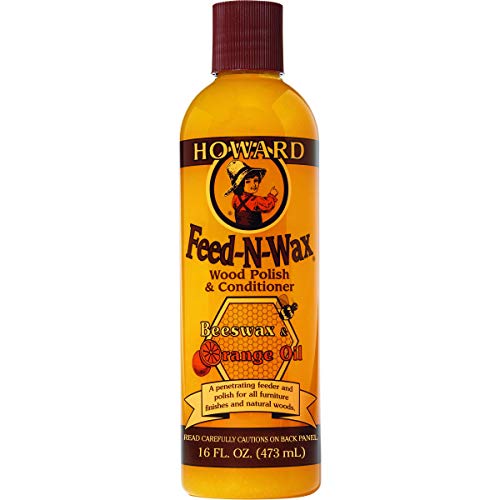
Taylor Seville Conditioner: Best for Synthetics

Modern fiber blends often struggle with static electricity, which can lead to snagging and uneven tension. The Taylor Seville Conditioner uses a proprietary synthetic formula designed specifically to handle these unique fiber properties without leaving a gummy residue.
Unlike natural beeswax, this conditioner provides a slick, professional-grade finish that mimics the smooth quality of high-end, treated threads. It excels when working with slippery, highly processed synthetic yarns that might otherwise fight against your needles.
Because it is a synthetic-focused product, it may lack the tackiness required for certain natural fibers that need extra grip during complex knotting. Opt for this tool when your project involves high-sheen synthetics, metallic threads, or heavy polyester blends.
Bohin Beeswax with Holder: Top Choice for Quilters

Quilting requires long, steady pulls through multiple layers of fabric and batting. The Bohin holder keeps the wax perfectly positioned, preventing the block from slipping or melting against the warmth of your hands.
The beeswax quality here is exceptionally refined, offering just the right amount of resistance to keep thread stable without clogging the eye of your needle. It is a staple for those who prioritize traditional materials for their historical accuracy and natural scent.
The classic, rectangular housing feels substantial in the palm, providing the leverage needed to coat longer lengths of thread in one stroke. Pick this for heavy-duty hand-sewing projects where consistent, reliable performance is non-negotiable.
Dritz Beeswax & Holder: A Classic Budget Pick
The Dritz wax holder is a standard-bearer for a reason: it is affordable, widely available, and does exactly what it promises. It provides a simple, utilitarian way to coat thread without requiring a significant investment or a complex learning curve.
While it lacks the sleek engineering of premium models, its no-nonsense design makes it easy to replace the wax insert as needed. It is an excellent entry point for beginners who are just learning the difference that lubrication makes for their stitch tension.
Be aware that the housing can be somewhat flimsy compared to artisan-made alternatives. Use this as your reliable starter tool to understand the mechanics of thread conditioning before upgrading to a more permanent fixture.
Purl & Loop Maple Waxer: Best Heirloom Quality
Crafted from solid maple, the Purl & Loop waxer elevates a simple utility item into a beautiful, tactile experience. It is designed for the maker who values tools that age well and provide a sturdy, heavy feel during use.
The wood housing offers a natural grip that synthetic plastics often fail to replicate, making it ideal for those who spend hours at a time in the sewing chair. Its aesthetic appeal makes it a standout gift or a cherished addition to a curated collection of knitting notions.
Because it is made of natural wood, it requires a bit more care to keep clean and free of excessive wax buildup. Invest in this if you want a tool that performs exceptionally well while serving as a permanent, durable piece of your workspace.
Thread Nanny Caddy: Best Artisan Design
The Thread Nanny caddy focuses on ergonomic precision, allowing for a smooth pull that minimizes thread fraying. Its design is particularly well-suited for delicate hand-finishing, such as sewing down loose ends or attaching intricate trim.
The focus here is on the user experience, with a profile that sits comfortably on a tabletop without sliding during use. It strikes an excellent balance between form and function, ensuring that the wax application remains uniform throughout the life of the block.
While it may be slightly larger than some portable options, the stability it provides on a work surface is unmatched. Select this if you prioritize a specialized, stable tool that keeps your thread coating consistent for detailed, precision work.
Why Wax Your Thread? The Benefits Explained
Waxing is not just about lubrication; it is about protecting the fiber integrity of your thread. By coating the thread, you are effectively laying down the stray fibers that cause drag and friction.
- Prevents Tangles: Waxing adds enough weight and smoothness to prevent knotting during long stitches.
- Reduces Abrasion: It protects thread from fraying as it passes repeatedly through dense fabric or tight needle eyes.
- Improves Tension: Consistent lubrication allows for an even pull, which is vital for maintaining a professional, uniform gauge.
Neglecting to wax can lead to thinning threads, which eventually weakens the entire structural integrity of your finished piece. Treat the waxer as a protective tool, not just an optional accessory, to ensure your hard work stands the test of time.
How to Choose the Right Thread Wax for Your Fiber
Choosing between natural beeswax and synthetic conditioners depends entirely on the fiber content of your thread. As a general rule, match the material to the needs of the fiber’s surface.
For natural fibers like cotton, linen, or wool, raw beeswax provides the necessary tack and natural compatibility. For synthetic, metallic, or heavily treated threads, synthetic conditioners prevent the buildup that natural wax might create on non-absorbent surfaces.
If you are working with a delicate, antique, or natural-dyed fiber, always perform a small test swatch first. You want to ensure the wax does not darken or alter the appearance of your yarn under high-light conditions.
Using Your Wax Caddy: A Step-by-Step Guide
Proper application is more about technique than force; dragging your thread too hard can cause uneven wax clumps. Follow these steps to ensure a professional, clean result every time.
- Thread your needle first: It is significantly easier to wax the entire length of the thread before it is attached to the work.
- Apply light pressure: Place the thread into the slot and hold it gently with your thumb. Pull the thread slowly and steadily through the wax.
- Smooth the coating: Run the waxed length through your fingers once or twice to distribute the wax evenly across all plies.
- Check for buildup: If the wax looks chunky, use a soft cloth to gently remove excess, leaving only a thin, invisible layer.
If you are working on a massive project, remember to re-apply wax every few yards. The wax will wear off, and constant maintenance is the secret to a high-quality finish.
Beeswax vs. Synthetic: Which Conditioner is Best?
Beeswax is the traditional choice, prized for its organic origins and reliable grip. It is the gold standard for natural fibers, as it blends into the thread and offers a slight resistance that helps knots hold securely.
Synthetic conditioners, by contrast, are engineered for extreme slickness and heat resistance. They are superior when working with modern, high-friction yarns or threads that are prone to static buildup.
Ultimately, there is no “best” option—only the right choice for the specific tension and fiber properties of your project. Keep one of each on your notion tray to ensure you are always prepared for whatever the yarn gods throw your way.
Investing in a quality wax caddy simplifies your workflow, protects your expensive yarn, and results in a cleaner, more polished final product. By choosing a tool that fits your specific project needs—whether you prioritize portability, durability, or material compatibility—you ensure that your focus stays on the rhythm of your stitches rather than the frustration of snags. Select your tool, refine your technique, and enjoy the ease that comes with well-conditioned thread.