6 Best Wall Hanging Displays For Kitchen Decor To Try
Elevate your culinary space with these 6 best wall hanging displays for kitchen decor. Discover stylish, functional ideas to transform your walls—read more now.
The kitchen serves as the heart of the home, yet it often remains the most sterile room when it comes to textile display. Incorporating fiber arts into this space requires a delicate balance between aesthetic warmth and the practical realities of high-traffic cooking areas. Whether showcasing hand-knit heirloom lace or vibrant macramé, the right hardware transforms these pieces into gallery-worthy focal points. Selecting the perfect wall hanging display involves weighing the weight of the fiber, the humidity of the kitchen environment, and the overall design language of the space.
Mkono Macrame Wall Hanging: Best for Boho Style
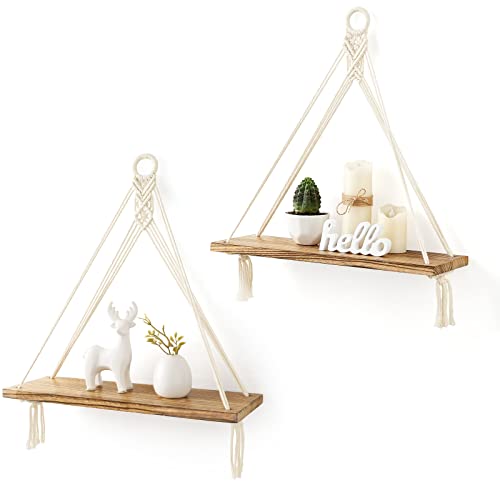

Macrame wall hangings bring the textural complexity of cordage to life, offering a soft counterpoint to the hard, reflective surfaces of appliances and stone countertops. The Mkono system provides a structured foundation for these pieces, ensuring that intricate knots remain crisp and aligned rather than sagging under the weight of the cotton cord.
When choosing a display for heavy fiber projects, consider the density of the knots and the potential for stretch. Just as a heavy wool sweater needs proper support during drying to avoid distortion, a substantial macrame piece requires a sturdy, wide-diameter rod. This hanger provides that necessary support, preventing the fiber from bunching at the points of attachment.
If the kitchen leans toward a natural, organic aesthetic, this system excels by allowing the fiber to drape naturally while maintaining structural integrity. It is best suited for wall spaces that receive filtered light, as direct sun exposure can accelerate the fading of natural fibers. For those who prioritize the visual rhythm of knot work, this is the gold standard for clean, boho-inspired presentation.
SONGMICS Metal Wire Grid Panel: Most Versatile

Metal wire grid panels function much like a pegboard but offer a more industrial, airy aesthetic that works exceptionally well for modular displays. They are ideal for knitters who rotate their collections frequently, such as hanging different sets of tea towels or seasonal small-scale fiber wall hangings.
The grid system allows for the use of S-hooks, clips, and magnets, creating a flexible environment that adapts to the size and weight of the items being displayed. Much like organizing circular needles on a rack, the ability to see and access every element at a glance makes these panels highly functional. The wire structure is particularly resilient, standing up to the occasional steam and moisture common in a kitchen environment.
However, consider the interaction between metal surfaces and delicate fibers. Ensure that all hooks are smooth and burr-free to prevent snagging fibers or pulling delicate threads. For best results, use clips with soft contact points to protect the integrity of the knit or weave.
Love-KANKEI Floating Shelves: Best for Small Art

Floating shelves offer a minimalist approach, providing a clean surface to display framed needlepoint, small tapestry swatches, or ceramic-knitted curiosities. They remove the visual clutter of brackets, allowing the art itself to serve as the primary focus.
For those who treat their fiber art like a rotating exhibition, these shelves provide a secure base that doesn’t require puncturing the fabric with pins or nails. This is especially important for vintage or delicate pieces that have spent hours on the blocking board; maintaining their tension and condition is paramount. The shelf depth allows for layering, which creates a sense of depth similar to how textures are layered in a stranded colorwork project.
Be mindful of the weight capacity when installing these into kitchen drywall. A shelf holding a heavy stone yarn bowl or a dense tapestry must be anchored into wall studs. This ensures the shelf remains level, preventing your precious fiber art from sliding off when the kitchen floor experiences a slight vibration from heavy foot traffic.
JUL Designs Tapestry Hanger: Best for Quilts
Tapestry hangers are essentially the “blocking wires” of the display world, providing a sleek, specialized mechanism for hanging finished fiber pieces that lay flat. JUL Designs offers high-quality hardware that treats the textile with the respect it deserves, distributing weight evenly across the entire top edge of the fabric.
This method is superior for display pieces that are meant to drape beautifully without puckering. Much like selecting the correct needle size to achieve the perfect gauge for a delicate lace shawl, choosing the right hanger size is critical for the drape of the quilt or tapestry. It prevents the localized stress that often occurs when a piece is hung from a single hook or nail.
The aesthetic is minimalist and modern, drawing the eye upward while allowing the pattern and color of the textile to take center stage. For those who have invested significant hours into hand-quilting or tapestry weaving, this is the most professional way to prevent long-term damage or deformation.
IKEA SKÅDIS Pegboard: Best for Customization

The SKÅDIS pegboard is a perennial favorite for good reason: it is the ultimate utility player. With a wide array of attachments—from elastic cords to small shelves and hooks—it functions as a command center for both tools and art.
In a kitchen, this pegboard can transition from holding kitchen shears and recipe cards to displaying finished knit swatches or small circular lace hoops. The beauty of this system lies in its modularity. If a project requires more space, the configuration can be adjusted in seconds without needing to drill new holes in the wall.
When using this for display, treat it as a background canvas. Place the most vibrant or textured pieces at eye level to maximize impact, while using the lower, more functional zones for items that require frequent grabbing. It is the most practical choice for those who value utility and constant reorganization over static display.
OAKOA Driftwood Branch Hanger: Best Natural Look
Using a natural branch as a hanger brings a raw, elemental aesthetic into the kitchen that is impossible to replicate with manufactured hardware. Driftwood provides a stable yet textured surface for hanging wall hangings or sets of hand-knit dishcloths.
Because branches are organic, no two will ever be exactly alike. This variance is a benefit, as it complements the inherent “maker’s mark” found in all handmade fiber arts. When choosing a branch, ensure it has been properly dried and sealed to prevent it from introducing moisture or pests into the kitchen.
For the best results, use a sturdy twine to create a hanging loop, and ensure the branch is balanced. Just as one balances the tension in a brioche stitch, balancing the weight of the fiber art on the branch prevents it from tilting or slipping. It creates a warm, earthy focal point that ties the softness of the textile to the rustic nature of the wood.
How to Choose a Display for Your Kitchen Style
Selecting the right display requires looking at the overall kitchen design and identifying where fiber art will have the most impact. Start by analyzing the wall space—is it tucked away near a cozy breakfast nook, or is it directly behind a high-heat range? The latter requires materials that are easy to wipe down and resistant to grease.
If the kitchen is modern and sleek, prioritize metal grids or minimalist floating shelves. If the space is farmhouse or rustic, reach for the driftwood or macramé hangers. Always match the “weight” of the display hardware to the weight of the textile; a heavy, cabled wool wall hanging needs a substantially stronger hanger than a light, airy lace piece.
Finally, consider the accessibility of the display. If the kitchen is small and functional, choose a system that keeps the fiber art high and out of the way of daily meal preparation. If the kitchen serves as an entertaining space, lower displays can become conversation starters.
Tips for Hanging Art Securely in a Kitchen
Kitchens are high-vibration and high-activity environments. Always use appropriate anchors—such as toggle bolts for drywall—to ensure that heavy displays stay securely mounted even when cabinets are slammed or heavy pots are moved nearby. Avoid adhesive-backed hooks for anything beyond the lightest fiber pieces, as the fluctuations in kitchen humidity can cause adhesives to fail prematurely.
When mounting textile art, ensure the display is positioned away from heat sources like toasters, coffee makers, and stovetops. Fiber is naturally flammable and highly absorbent; keeping it away from these risks is non-negotiable. Additionally, ensure the distance from the wall is sufficient to allow for airflow, which helps prevent moisture buildup behind the display.
If you are using hooks, ensure they are deep enough to hold the piece securely during a accidental bump. Much like ensuring a needle cap is secure on a circular needle cord during transport, checking the security of your hanging method is an essential maintenance task.
Protecting Fiber Art from Kitchen Grime
Textiles in the kitchen are inevitably exposed to grease, steam, and cooking odors. To mitigate this, consider placing your fiber art behind glass or in a shadow box if the piece is particularly delicate or has historical significance. If the art is intended to be open-air, choose washable fibers like cotton or linen that can be spot-cleaned or laundered.
Avoid displaying delicate, high-twist wools or mohairs in areas where grease splatters are likely, as these fibers are prone to absorbing odors and oils. If you must display high-maintenance fibers, ensure they are treated with a light, non-yellowing archival spray or kept at a significant distance from the cooking range.
Regular rotation is another excellent strategy. By rotating your display items every few months, you not only keep the kitchen decor fresh but also ensure that no single piece is overexposed to the harsh environment of a working kitchen. When taking a piece down, give it a gentle shake or a low-temperature air-dry to remove accumulated dust.
Wood vs. Metal Hangers: Which Is Right for You?
The choice between wood and metal often comes down to the desired aesthetic and the environment. Wood brings warmth and a tactile, natural feeling, making it an excellent partner for rustic or wool-based fiber arts. However, wood is porous and can absorb cooking odors over long periods, so it requires a sealed finish to stay clean.
Metal offers a crisp, clinical look that works perfectly in contemporary spaces. It is generally easier to clean and much more resistant to the steam and grease that characterize a busy kitchen. Metal is also superior for heavier installations, as it lacks the potential for warping that can occur with natural wood in high-humidity areas.
Ultimately, base the decision on the character of the fiber itself. If you are hanging a soft, hand-spun wool piece, the natural imperfections of a wooden hanger will look harmonious. If you are hanging a vibrant, geometric tapestry or a structured piece of needlepoint, the clean lines of a metal grid or hanger will provide the necessary frame to let the artwork shine.
Finding the balance between functionality and art is the key to a curated kitchen, just as finding the balance between tension and yarn choice is the foundation of a successful knit. Choose your hanging system with the same intentionality you bring to your craft, ensuring your fiber art remains a celebrated part of your home for years to come.