6 Decorative Closures For Custom Journals To Try
Elevate your stationery with these 6 decorative closures for custom journals. Discover creative binding techniques and secure your pages in style. Start crafting!
A custom-bound journal is much like a hand-knit sweater; the final result depends entirely on the finishing details. While the paper quality and cover material set the stage, the closure dictates the security, accessibility, and overall character of the piece. Selecting the right mechanism requires balancing functional utility with the aesthetic tension of your chosen medium. These six closure styles offer distinct ways to secure your pages while reflecting the time and craft invested in the binding process.
Leather Wrap & Button Stud: Rugged & Classic


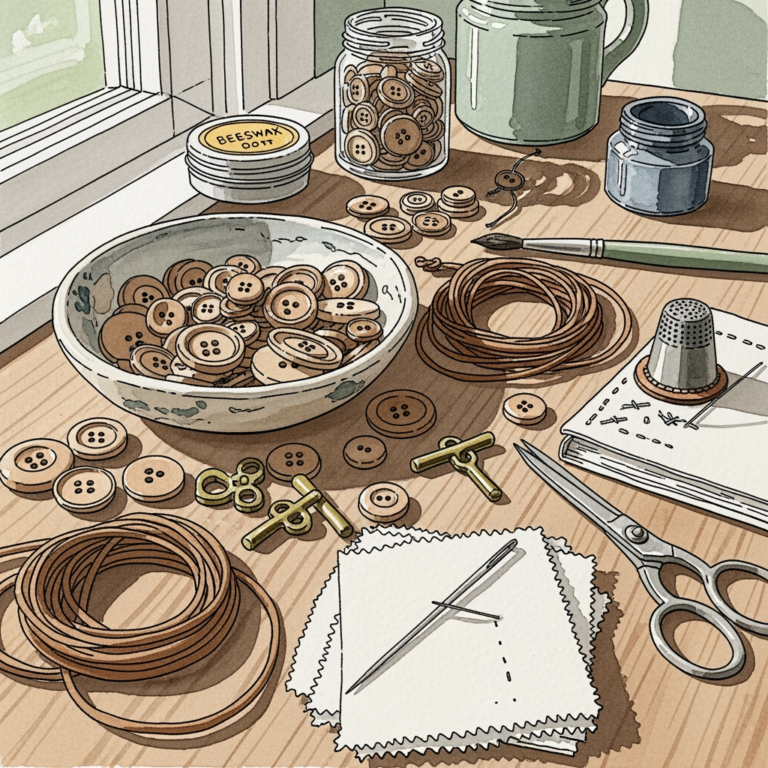
The leather wrap closure relies on tension and friction to maintain a secure profile. By anchoring a strip of leather to the back cover and winding it around the journal, the entire block of pages remains compressed and protected.
This style pairs exceptionally well with journals containing textured, handmade papers that tend to expand over time. As the paper settles or additions are tucked into the spine, the adjustable nature of a wrap closure accommodates fluctuating thickness without straining the binding.
Choose a supple, oil-tanned leather for the wrap to ensure it drapes easily around the cover corners. Avoid stiff vegetable-tanned leathers for the strap itself, as they may crack under repeated folding, much like a poorly balanced yarn that snaps under high-twist tension.
I-Cord Tie & Toggle: A Knitter’s Favorite
For those deep into the fiber arts, an I-cord tie offers a seamless integration of binding and accessory. A four-stitch I-cord knit from a tightly plied wool provides the necessary structure to act as a durable, flexible tether.
The beauty of the I-cord lies in its versatility. It can be worked in a contrast color to highlight the journal’s edges, or matched precisely to the cover fabric for a cohesive, professional look. When paired with a wooden or bone toggle, the closure becomes a tactile element that feels familiar in the hand.
Ensure the I-cord is worked with a smaller needle size than the yarn’s weight suggests to create a dense, low-stretch fabric. A loose cord will quickly lose its shape and sag, compromising the security of the pages.
Antique Bronze Swing Clasp: Vintage Charm

Swing clasps provide a mechanical, positive lock that feels definitive when the journal is closed. These hardware pieces are ideal for journals intended to be carried in bags or pockets, where snagging is a constant concern.
The installation requires a reinforced mounting point, usually a small fabric or leather tab secured through the cover board. Because these clasps are rigid, they do not accommodate changing paper volumes; ensure the journal is at its final intended thickness before committing to the hardware placement.
Consider the finish carefully, as brass or bronze can develop a patina over time that mirrors the aging process of the paper inside. Avoid cheap electroplated finishes, which can flake away and snag delicate fibers or paper edges.
Elastic Cord & Bead: Simple & Customizable
Elastic cord offers the most forgiving closure mechanism for journals that grow as you fill them. By looping a high-quality braided elastic around a decorative bead or button, the journal can expand significantly without losing its grip.
This is the most practical choice for art journals or scrapbooks where ephemera like ribbons, photos, or tickets are frequently added. The elasticity compensates for the uneven thickness, keeping the cover flat even when the interior is packed.
Select a heavy-duty, cotton-covered elastic to ensure longevity and prevent the core from dry-rotting over time. A thin, synthetic elastic may offer immediate stretch but often degrades within a few years of light use.
Waxed Canvas Strap & Snap: Durable Style
A waxed canvas strap secured with a metal snap provides a sleek, modern aesthetic with high durability. Waxed canvas behaves similarly to heavy wool felt in its structural integrity, offering a sturdy base that resists fraying and wear.
The snap closure provides an immediate “click” that signals the journal is safely secured. This is an excellent option for field notebooks or journals subjected to outdoor use, as the wax coating offers a degree of water resistance to the closure itself.
Be wary of the mounting point for the snap; ensure the canvas is reinforced with an interfacing or an extra layer of material before punching holes for the hardware. Without reinforcement, a snap can tear through the fabric under the stress of regular opening and closing.
Ribbon & Eyelet Lacing: Elegantly Secure
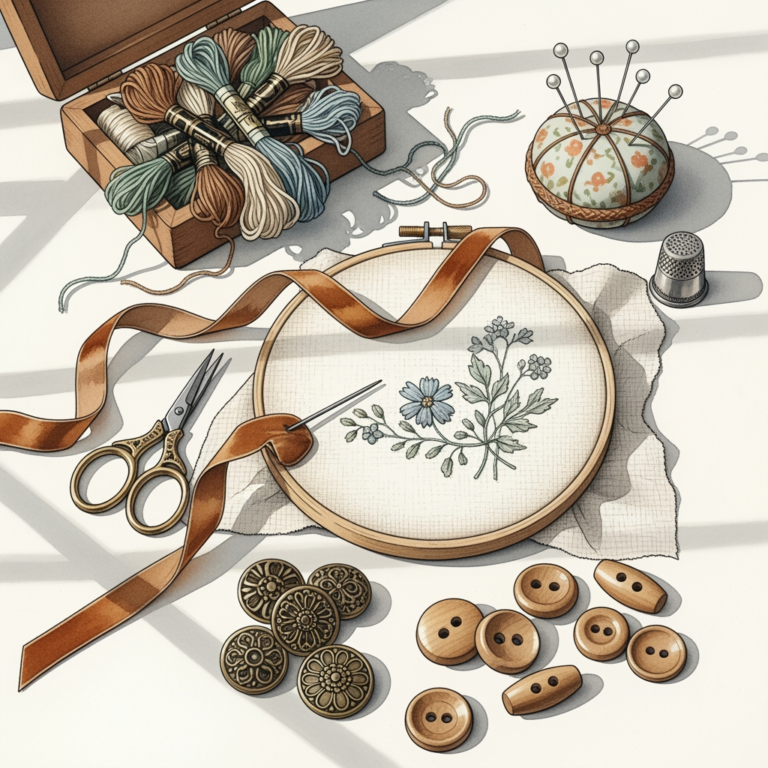
Ribbon lacing through reinforced eyelets evokes the charm of antique corsetry or period bookbinding. This method relies on the friction of the ribbon against the metal eyelets to stay in place, creating a decorative bow that anchors the covers firmly together.
This style is best suited for special occasion journals or gifts, as it is slightly more time-consuming to open than a simple snap or elastic. Use a double-faced satin ribbon or a sturdy grosgrain to ensure the tie maintains its structure and doesn’t fray at the ends.
Always use a setting tool to secure the eyelets properly. A poorly set eyelet can leave sharp, jagged metal edges that will eventually slice through the ribbon, creating a frustrating point of failure that is difficult to repair.
How to Choose a Closure For Your Journal
Matching a closure to a journal is an exercise in predicting usage patterns. A journal intended for quick, daily notes requires a one-handed, mechanical closure like a snap or a simple elastic loop. Conversely, a journal kept on a desk for thoughtful, prolonged writing benefits from the deliberate, tactile experience of a ribbon tie or a leather wrap.
Consider the weight of the paper and the intended bulk. Journals with heavily textured, heavy-weight pages require a closure with some “give,” such as elastic or a wrap, to account for the inevitable expansion of the page block.
Think about the longevity of the materials used. If the cover is crafted from heirloom-quality materials, choose a closure that ages gracefully, such as natural leather or solid metal hardware. Avoid plastic components or flimsy synthetic ribbons that will degrade long before the paper itself.
Essential Tools for Attaching Your Closures
The quality of your installation is directly proportional to the quality of your tools. A heavy-duty hole punch is mandatory for leather and thick board, while a precise eyelet setter is essential for metal hardware. Investing in a professional-grade setting tool prevents the common issue of misaligned or crushed eyelets.
Keep a sharp utility knife and a cutting mat on hand for clean edges on leather or canvas straps. A bone folder is also invaluable for creasing fabric or leather to create crisp folds that look intentional rather than haphazard.
Finally, utilize an appropriate adhesive for your medium. When bonding leather or fabric to paper boards, use a pH-neutral archival glue to ensure the closure doesn’t stain or deteriorate the journal materials over time.
Leather vs. Fabric: Which Material is Best?
Leather is the gold standard for durability and grip, offering a rich texture that improves with handling. It is inherently strong and, when chosen at the correct weight, provides a tension-holding capability that fabric struggles to match.
Fabric closures offer infinite variety in color and pattern, allowing for more artistic expression. However, fabric is susceptible to fraying and thinning at stress points; it requires careful interfacing or double-layering to mimic the structural integrity of leather.
Ultimately, leather is the choice for a lifetime object, while fabric is the choice for a personalized project that prioritizes aesthetic match over extreme longevity. When in doubt, consider the “wear-and-tear” factor; a leather strap will develop a soft patina, whereas a fabric strap may simply wear through.
Pro Tips for a Clean, Secure Installation
The most common error in journal closure installation is failing to account for the depth of the spine. Always measure your strap or tie length with the journal fully packed to ensure you aren’t left with an impossibly short closure.
When installing mechanical hardware like snaps or studs, use a scrap piece of the same material to test your setting pressure. This prevents the “over-tightening” that leads to puckered fabric or crushed board.
Finally, always reinforce the attachment points on the inside of the cover. A decorative lining paper or a thin piece of buckram glued over the back of the closure hardware provides a clean finish and prevents the metal or cord from damaging the first few pages of your journal.
Selecting the right closure is the difference between a functional notebook and a cherished, hand-crafted possession. Whether you lean toward the rustic durability of leather or the soft, tactile familiarity of a knit I-cord, take the time to consider how the closure will handle the rigors of daily use. With the right tools and a bit of patience, your journal will be as secure as it is beautiful.